How To
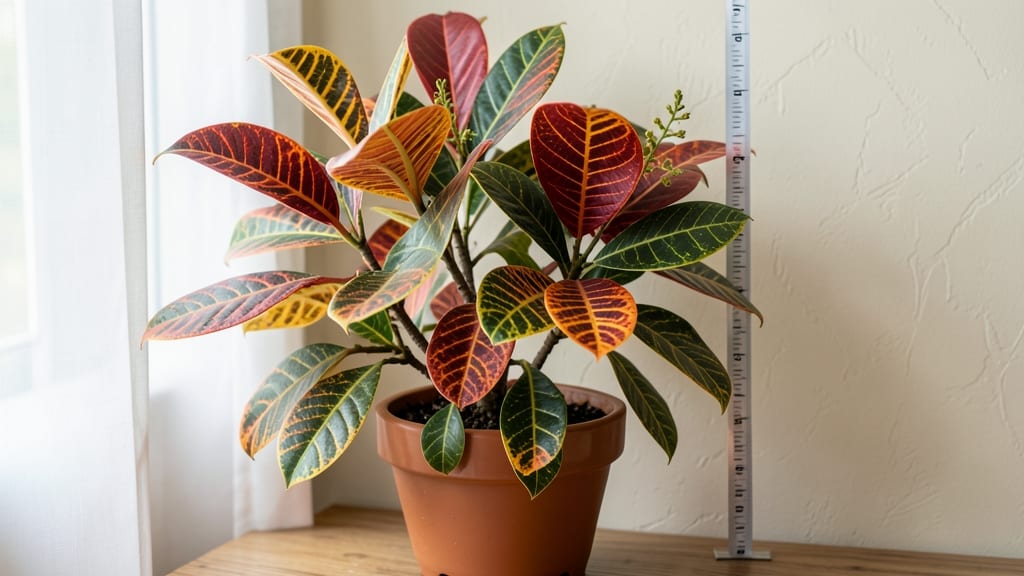
Wondering how tall does a croton plant grow before it becomes a space hog? This vibrant 🌿 beauty can surprise you with its size—some varieties stay compact while others reach towering heights, depending on their type and care.
If you're dreaming of adding a croton to your indoor collection or outdoor garden, knowing its potential height is key. From petite 1-foot dwarfs to 6-foot giants, these plants adapt to your space—but only if you give them the right conditions.
In this guide, I’ll break down the height ranges of popular croton varieties and share the secrets to controlling their growth. Whether you want a bushy accent plant or a lush, floor-filling statement, you’ll learn how to keep your croton thriving at the perfect size.
Ready to turn your space into a tropical paradise? Let’s dive into the factors that shape your croton’s height—and how to shape it right back.

Croton plant height by variety: from compact dwarfs to towering giants
Croton plants (Codiaeum variegatum) are prized for their bold, multicolored foliage and adaptability, but their mature height varies dramatically depending on the variety. Whether you're planning an indoor collection or an outdoor garden bed, knowing these height ranges will help you choose the perfect croton for your space.
Let's explore the most popular varieties and their growth habits.
The standard croton varieties often reach heights between 3 to 6 feet tall when grown outdoors in ideal conditions. However, some dwarf varieties stay compact at just 1 to 2 feet, making them perfect for small spaces or container gardening.
The key to achieving these heights lies in understanding each variety's growth tendencies and environmental needs.
Here’s how different croton varieties compare in terms of height and growth habits:
| Variety | Mature Height (ft) | Growth Habit | Ideal Growing Conditions |
|---|---|---|---|
| 'Mammoth' | 4-6 ft | Upright, bushy | Outdoor, full sun to partial shade |
| 'Petra' | 3-4 ft | Bushy, rounded | Indoor or outdoor, bright indirect light |
| 'Gold Dust' | 2-3 ft | Compact, spreading | Indoor, east or south-facing window |
| 'Dwarf Sunshine' | 1-2 ft | Dwarf, bushy | Indoor, bright light |
| 'Spicy Summer' | 3-5 ft | Upright, fast-growing | Outdoor, full sun |
| 'Black Prince' | 2-3 ft | Bushy, dark foliage | Indoor or outdoor, partial shade |
The 'Mammoth' variety is one of the tallest crotons, often reaching 6 feet outdoors with proper care. Its upright, bushy growth habit makes it ideal for garden borders or as a focal point in larger containers.
If you're growing crotons indoors, varieties like 'Gold Dust' or 'Dwarf Sunshine' are excellent choices, staying under 2 feet tall while still delivering stunning foliage.
For outdoor gardeners, the 'Spicy Summer' variety is a fast grower that can reach 5 feet in a single season if given full sun and consistent care. This variety thrives in USDA Zone 10-11 but can also be grown in containers and brought indoors during colder months.
Always consider your local climate and space constraints when selecting a croton variety.
If you're new to growing crotons, start with a smaller variety like 'Petra' or 'Black Prince' to get a feel for their care requirements. These varieties are forgiving and adaptable, making them perfect for beginners while still offering vibrant colors and textured foliage.
Once you're comfortable, you can experiment with taller varieties like 'Mammoth' for a more dramatic display.
Remember, the height of your croton isn't set in stone—proper pruning and care can influence its growth habits. For example, pinching back the tips of young plants encourages bushier growth rather than a tall, leggy stem.
We'll dive deeper into these care secrets in the next section to help you shape your croton into your ideal size.
Whether you're aiming for a tropical indoor jungle or a sunny outdoor garden bed, choosing the right croton variety is the first step to achieving the perfect height and look for your space. 🌿
Factors that influence croton plant height: light, pruning, and care secrets
Your croton’s height isn’t set in stone—it’s shaped by the care you provide. Understanding these key factors will help you guide its growth, whether you want a compact bush or a tall statement plant.
Let’s explore how light exposure, pruning techniques, and container size play a starring role in determining how tall your croton will grow.
First, sunlight exposure is the biggest game-changer. Crotons thrive in bright, indirect light, but too little light stunts growth, while too much direct sun can scorch their leaves. Aim for 6+ hours of light daily, and watch your plant reach its full potential height.
In low-light conditions, your croton may stay shorter and leggier, while optimal light encourages bushier, healthier growth.
Next, pruning techniques are your secret weapon for controlling height. Regular pruning not only keeps your croton at your desired size but also encourages fuller, denser foliage. Pinch back the tips of new growth to promote branching, or trim taller stems to maintain a neat, compact shape.
Just remember: prune in spring or early summer for best results, and always use clean, sharp scissors to avoid damaging the plant.
Don’t overlook the power of container size—if you’re growing your croton in a pot, the container’s dimensions directly impact its height. A smaller pot restricts root growth, which can stunt the plant’s height, while a larger container gives it room to grow taller.
For dwarf varieties, a 6-8 inch pot is ideal, while standard crotons need at least a 12-16 inch pot to reach their full height potential.
Another critical factor is soil quality and nutrients. Well-draining, nutrient-rich soil provides the foundation for healthy growth. Amend your potting mix with perlite or sand to improve drainage, and fertilize every 4-6 weeks during the growing season (spring and summer) with a balanced fertilizer like 10-10-10.
Proper nutrition ensures your croton grows strong and reaches its mature height without struggling.
Finally, watering habits can’t be ignored. Overwatering or underwatering both stress your plant and slow its growth. Crotons prefer consistent moisture but hate soggy soil. Water deeply when the top inch of soil feels dry, and always use a pot with drainage holes to prevent root rot.
Proper hydration keeps your croton thriving and encourages steady, healthy growth.
By mastering these factors, you’ll have full control over your croton’s height. Whether you’re aiming for a bushy tabletop plant or a tall floor-filling beauty, the right care will help you achieve the perfect size for your space. 🌿
5 Key Factors That Shape Your Croton’s Height
- 💡 Light Exposure: 6+ hours of bright, indirect light maximizes growth; too little light = leggy, shorter plants.
- ✂️ Pruning: Trim tips to encourage bushier growth or prune taller stems to control height.
- 🪴 Container Size: Smaller pots = shorter plants; larger pots = taller growth potential.
- 🌱 Soil & Fertilizer: Well-draining, nutrient-rich soil + monthly feeding fuels healthy growth.
- 💧 Watering: Keep soil consistently moist but never soggy to avoid stunted growth.