
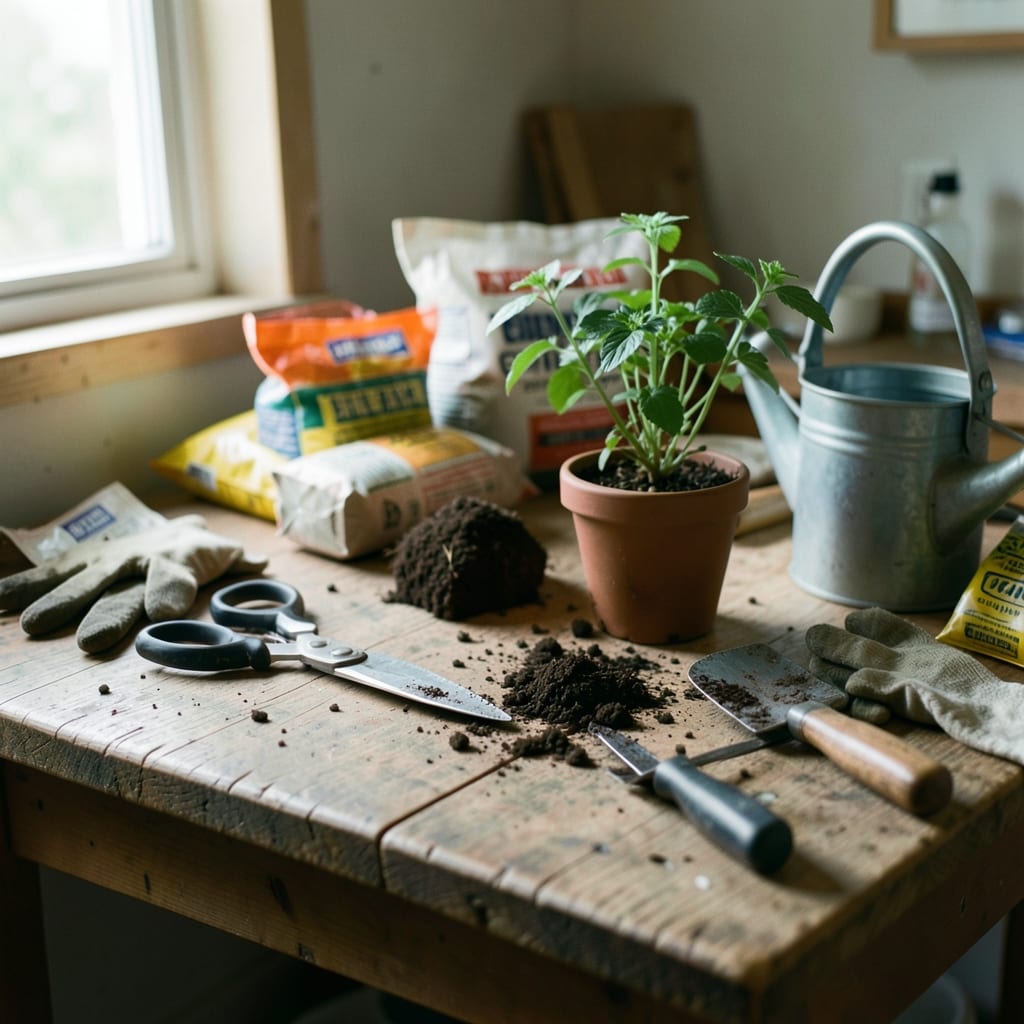
Welcome to Color Plant Guide
There’s a seed in your hand—or maybe just a patch of dirt and a stubborn weed—but you’re not sure how to turn it into something that lasts. The instructions online are too vague, the advice too general, or the results too hit-or-miss.
What you need is the kind of guidance that comes from someone who’s actually gotten their thumbs dirty, who knows when to water and when to walk away, and who hasn’t given up on a plant that refused to grow the first three times.
This site is for the gardener who wants to see real progress: the first green shoot breaking through cracked soil, the way a struggling seedling perks up after a pinch of fertilizer, or the quiet triumph of a winter herb surviving on a windowsill. We don’t sell dreams.
We share what works—and what doesn’t—in gardens big and small, from urban balconies to overgrown backyards. No fluff, no guesswork, just the lessons learned the hard way.
Our story
The first time Roland Abernathy tried to grow basil from seed, it took three attempts before a single leaf appeared. The instructions said ‘full sun,’ but his apartment balcony faced north, and the pot dried out too fast.
He adjusted the watering, moved it closer to the window, and finally—after weeks of wilting and near-giving-up—got a plant that lasted through summer.
That small victory became the rule: gardening advice should work for the person standing in front of the seed packet, not just the person who wrote the book.
The site started as a private list of notes, scribbled in a notebook after failed experiments. A friend saw it and asked for the tomato-growing tips; another wanted to know how to coax life from a dying fern.
What began as a way to remember what Roland had learned turned into a collection of answers for people who’d spent too long staring at wilting leaves or wondering why their zucchini plants kept collapsing under their own weight.
The turning point came on a Saturday afternoon in late May, when Roland was kneeling in a community garden plot, pruning back a runaway mint plant that had taken over half the bed. A stranger stopped to ask how he’d kept the neighboring marigolds from getting blight.
Instead of giving a generic answer, Roland pulled out his phone and showed the exact spacing he used, the type of compost he’d mixed in, and the one weird trick (a sprinkle of crushed eggshells) that had made the difference.
That conversation became the template: no vague advice, just the specific steps that had worked in the dirt, under real sunlight, with real mistakes included.
What we stand for
We believe gardening should be about growth—not just of plants, but of confidence. Every piece here is built on the idea that the right information, given at the right time, can turn a ‘maybe’ into a ‘yes.’
What you will always get here
- Advice rooted in real trials—not just theory. (Yes, we’ve killed plants. No, we won’t pretend it never happened.)
- Plants that fit your space, your light, and your schedule—not someone else’s perfect garden.
- The unvarnished truth about what went wrong, and how to fix it next time.
- A focus on the small, everyday miracles: the first true leaf, the first harvest, the first time a struggling plant surprises you.
Meet the team
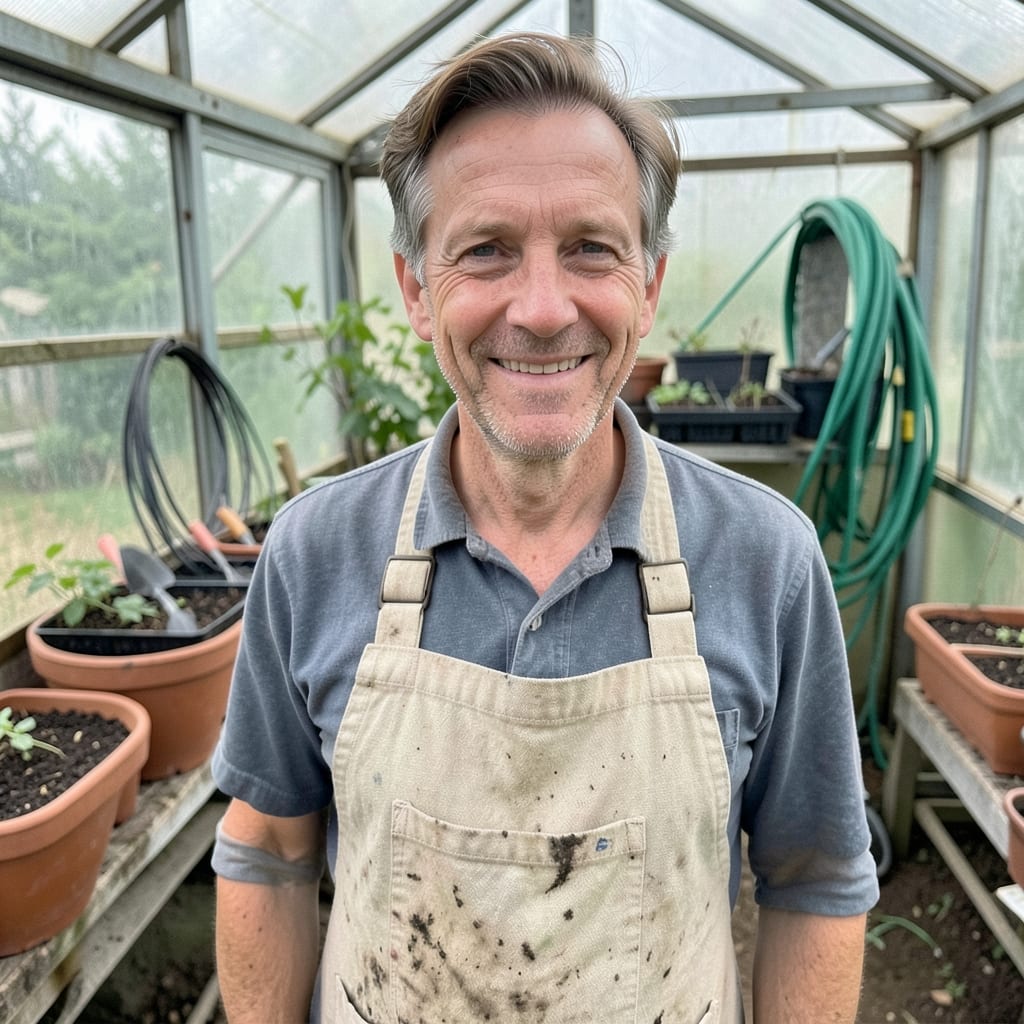
Behind every guide here is a team that knows the frustration of a seed that refuses to sprout, the relief of a plant that finally takes, and the quiet satisfaction of a garden that keeps giving.
We’re not botanists or professional horticulturists—just people who’ve spent years learning what actually works in the dirt, under real conditions.
Roland Abernathy
Roland Abernathy is the founder and lead writer of *Color Plant Guide*, and his work here is shaped by a lifetime spent surrounded by plants. He grew up in his grandmother’s overgrown backyard in rural Ohio, where she taught him that gardening isn’t about perfection—it’s about paying attention.
As a teenager, he volunteered in community gardens, where he learned the hard way that even the hardiest plants need the right care at the right time.
Now, he brings that same hands-on approach to this site, writing about the plants that thrive in unexpected places and the small tricks that make propagation easier.
His desk is cluttered with seed packets, a half-empty coffee mug, and a notebook filled with sketches of plants at different stages of growth. He starts his workday at 6 AM, when the light is softest, and his biggest mistake?
Assuming a plant needed more water when it actually needed less. Every guide here reflects that same mix of patience and pragmatism—no fluff, just the lessons learned from real dirt, real sunlight, and real failures.
There’s something about watching a seed turn into a plant that feels like magic—but the magic only happens if you’re willing to get your hands dirty and try again when it doesn’t work the first time. That’s the part I love to write about: not the perfect garden, but the messy, real stuff that actually grows.
Roland Abernathy
How we create our content
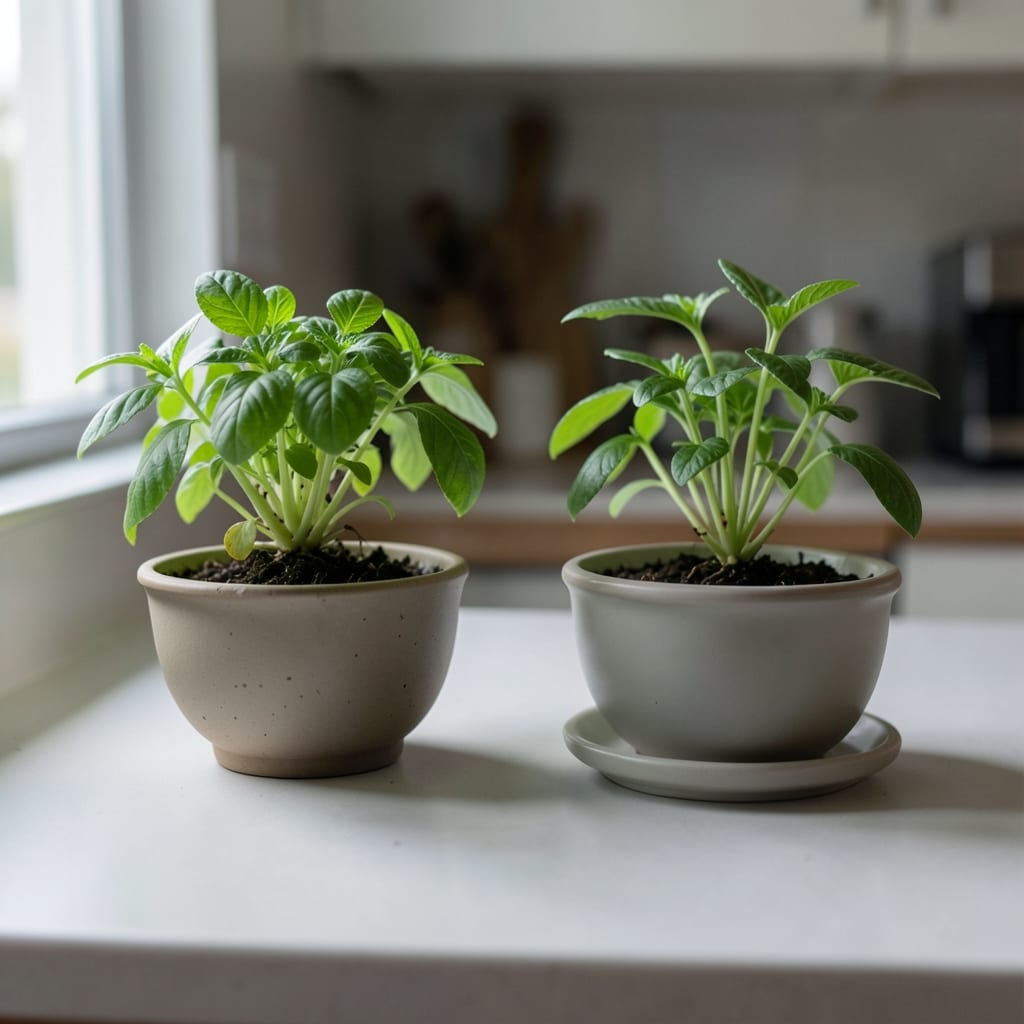
Every piece here starts with a question someone asked—or a plant someone sent a photo of and said, ‘Why is this dying?’ We don’t write about gardening in theory. We write about the problems that show up in real gardens, with real soil, and real light conditions.
The process begins with research (books, local gardeners, failed experiments), then moves to testing (often multiple times), and finally to writing in a way that mirrors how someone would actually work in their own space.
Research and testing
The first stage is digging into what’s already been written—but not taking it at face value. We cross-check soil pH charts with local extension service reports, compare seed packet advice to real-world germination rates, and talk to gardeners who’ve dealt with the same issues.
For example, when writing about growing tomatoes in containers, we tested six different soil mixes over three summers, adjusting watering schedules based on actual rainfall data. The result?
A guide that doesn’t just say ‘use well-draining soil’ but lists the exact ratios that worked in pots on a south-facing balcony in Zone 7.
Testing isn’t a one-time thing. If a method fails—like a basil plant that keeps bolting too early—we adjust and try again. Some experiments take weeks; others unfold over a growing season.
Every piece here is built on at least three real-world trials, with notes on what went wrong and how we fixed it. No shortcuts, no assumptions—just the work, as it actually happens.
Refining the advice
Once we’ve got a method that works, the next step is making sure it’s useful.
That means cutting out jargon, adding clear timelines (‘Day 3: Prune back by ⅓’), and including the warnings no one else mentions (‘If your mint spreads too fast, it will choke out your tomatoes—trust us, we’ve seen it happen’).
We also test the instructions with volunteers who’ve never grown the plant before. If a beginner struggles with a step, we rewrite it. If a photo is confusing, we replace it. The goal isn’t just to tell you what to do—but to make sure you can actually do it.
Join our community
This site exists because gardening is better when you’re not figuring it out alone. Here, you’ll find answers to questions like *‘Why are my peppers cracking?’* or *‘How do I save a dying houseplant?’*—plus the kind of advice that only comes from people who’ve been there.
Others share their own successes (and failures), and the best suggestions often get turned into new guides. If you’ve got a plant puzzle, a photo of a mystery leaf, or a tip that worked for you, we’d love to hear it.
Let's connect
We’d love to hear about your garden—what’s thriving, what’s struggling, or what you’ve learned the hard way. Whether it’s a victory (like that one zucchini plant that finally produced) or a mystery (like the spots on your rose leaves), your experiences help make this site better.
For questions or stories, visit the contact page. Here’s to the next good grow.
The guides are grouped by category: Advice, Aphids, Blooming, Companion Plants, Container Gardens and Diseases.