
Plants
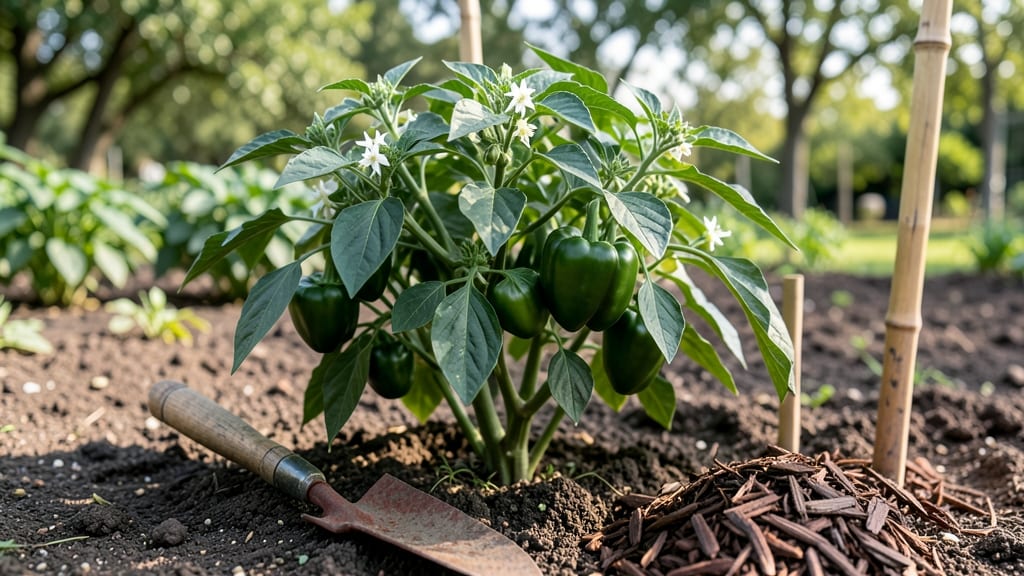
Alabama bell pepper planting deadlines by zone (7A vs. 8B)
Alabama’s diverse microclimates mean your last frost dates could vary by 1-2 weeks between Zone 7A (northern Alabama) and Zone 8B (southern Alabama). For bell peppers, which hate frost but also struggle in extreme summer heat, timing is everything.
Let’s break down the critical planting windows for both zones to maximize your harvest.
In Zone 7A, the average last frost date is around April 15, while Zone 8B gardeners typically see their last frost by March 20. However, soil temperature matters more than air temperature—bell peppers need soil at least 60°F to thrive.
In Zone 7A, this usually aligns with mid-April to early May, while Zone 8B can start as early as late March in protected microclimates.
For fall harvests, the window narrows.
In Zone 7A, aim to plant late July to early August for a late-September to October harvest before first frost (around November 15). Zone 8B gardeners have until early September to plant for a harvest through November, thanks to their longer growing season.
Here’s the visual breakdown of your planting deadlines, including heat-tolerant varieties that perform best in Alabama’s climate:
| Zone | Last Frost Date | Planting Window (Spring) | Planting Window (Fall) | First Harvest | Best Varieties |
|---|---|---|---|---|---|
| 7A (North AL) | April 15 | Mid-April to early May | Late July to early August | July - September | 'Carolina Wonder', 'Jupiter', 'Aristotle' |
| 8B (South AL) | March 20 | Late March to early April | Early August to early September | June - October | 'NuMex RNaky', 'Gypsy', 'King of the North' |
Notice how Zone 8B gardeners get a 6-week head start in spring and a 4-week extension in fall?
This is why variety selection matters. Heat-tolerant varieties like 'Aristotle' (bred for Southern climates) can handle Alabama’s summer heat better than standard varieties, which may bolt or produce bitter peppers when stressed.
If you’re in Zone 7A and worried about late frosts, use row covers or black plastic mulch to warm soil faster. For Zone 8B, focus on succession planting every 2 weeks after your initial late-March start to ensure a continuous harvest through summer.
One common mistake Alabama gardeners make is planting too early in hopes of an earlier harvest. Cold soil (below 60°F) causes poor root development and stunted growthtest soil temperature with a soil thermometer or wait until nighttime temps stay above 50°F consistently.
For fall planting, the July-August window is tight, so don’t wait until August 15—you’ll likely miss the harvest deadline. Instead, start seeds indoors in early July and transplant hardened-off seedlings by mid-July to ensure mature plants by September.
Pro tip: Track your local frost dates using the Alabama Extension Service’s frost map or a smart weather station. Even within Zone 7A or 8B, elevation changes (like mountain vs. coastal areas) can shift frost dates by 10 days or more. Adjust your planting schedule accordingly!
Step-by-step timeline: from seed to harvest in Alabama
Timing your bell pepper planting in Alabama isn’t just about avoiding frost—it’s about syncing growth stages with the state’s long, hot summers and humid fall. My 7-week indoor start followed by a 4-week outdoor transition ensures peppers mature before Alabama’s first frost in November.
Let’s break it down by zone and week.
For Zone 7A (north Alabama), aim to transplant seedlings outdoors by mid-April to early May after the last frost (typically around March 15). In Zone 8B (south Alabama), you’ve got flexibility until early June—just watch for soil temps hitting 60°F+.
Both zones can squeeze in a fall harvest with late July starts.
Sow seeds 8-10 weeks before last frost (Feb 15-March 1 for Zone 7A, March 15-April 1 for Zone 8B). Use seed trays with sterile potting mix and keep under grow lights (12-14 hrs/day) at 70-80°F.
Thin seedlings to 1 per cell. Harden off for 1 week (gradually expose to outdoor temps). Fertilize lightly with fish emulsion (5-5-5) when true leaves appear.
Plant after soil reaches 60°F+ and night temps stay above 55°F. Space 18-24 inches apart in full sun. Water deeply at transplanting to reduce shock.
Mulch with straw or black plastic to retain moisture. Side-dress with compost and watch for aphids (spray with soapy water if needed).
Feed every 4-6 weeks with balanced fertilizer (10-10-10). Prune suckers for bushier growth. Harvest when peppers reach full color and size.
Reduce watering as harvest nears. Use row covers to extend season into October. Clean up plants after first frost to prevent disease.
Pro tip: Mark your calendar for Alabama’s average first frost (Nov 15) and count backward from your pepper’s harvest-ready days (60-90). For example, a 75-day variety planted on July 15 should yield peppers by September 28—just in time for fall feasts!
Don’t overlook succession planting for continuous harvests. In Zone 8B, sow a second batch in late July for October-November peppers. Just protect them with frost cloth if temps dip below 32°F. Your reward? Fresh, homegrown bell peppers straight through Alabama’s mild winters.
For gardeners in Zone 7A, prioritize heat-tolerant varieties like ‘Carolina Wonder’ or ‘Jupiter’—they handle Alabama’s summer heat better than standard types. And remember: Black plastic mulch can add 5-10°F to soil temps, giving you an extra week or two of growing time.
🌶️