
Plants
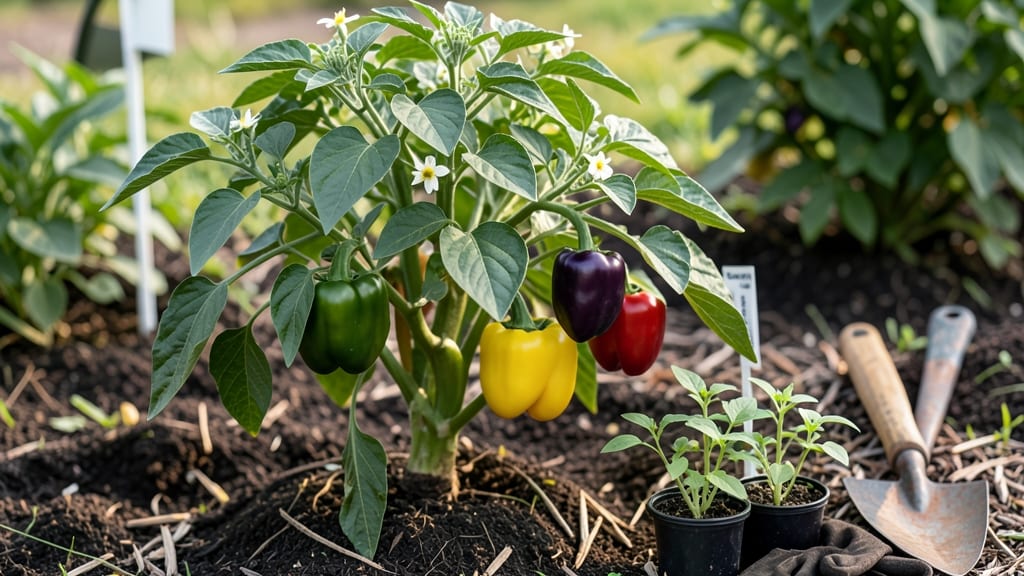
Timing your bell pepper 🌶️ planting in Michigan isn’t just about the calendar—it’s about beating frost, warming soil, and unlocking that sweet summer harvest.
If you plant too early, chilly nights will stall growth, but waiting too long might leave you with peppers that never fully ripen before fall’s first frost.
Michigan’s 5b-6b zones give you a narrow window—typically between April 15 and May 15—but the real secret lies in soil temperature. Your peppers won’t thrive until the ground hits 60°F, and that can vary wildly depending on whether you’re in Detroit or the Upper Peninsula.
I’ll break down exactly when to start seeds indoors and when to transplant them outdoors for the best results.
Beyond frost dates, you’ll also learn how to stretch your growing season with simple tricks like row covers and succession planting. These methods can add weeks to your harvest, ensuring you enjoy homegrown peppers from July all the way through October—no matter where in Michigan you’re gardening.
Whether you’re a first-time gardener or a seasoned pro, getting this timing right is the key to a bountiful bell pepper 🌶️ harvest. Let’s dive into the exact steps to make sure your plants get the strong start they deserve.
Michigan’s bell pepper planting timeline by hardiness Zone (with frost dates)
Michigan’s 5 hardiness zones (4a-6b) create wildly different planting windows for bell peppers—some areas can start seeds in early April, while others must wait until late May.
The key is aligning your schedule with soil temperature thresholds (55°F+) and average last frost dates, which vary by 1-3 weeks across the state.
For Zone 4a (Upper Peninsula), the growing season is tight—only about 120 frost-free days. In contrast, Zone 6b (southern Michigan) enjoys 150+ days, allowing for earlier starts and extended harvests.
Always check Michigan State University Extension’s frost maps for your exact location, as microclimates (like urban heat islands) can shift timelines by 7-10 days.
🌱 Bell Pepper Planting Summary for Michigan (Zones 4a-6b)
For Zone 6b gardeners, you can push the envelope by starting seeds as early as February 15 under grow lights, but avoid transplanting outdoors before April 15—cold soil stunts root growth and delays fruiting.
In Zone 4a, prioritize transplanting after May 20 to avoid late frosts, which can kill young plants in 24 hours.
Pro tip: Use a soil thermometer to confirm readiness—bell peppers won’t thrive in soil below 60°F. If your soil is still cold, opt for container growing with black plastic mulch to warm roots faster.
This works especially well in Zone 5a/5b, where early May often brings 50°F nights.
Direct sowing is risky in Michigan unless you’re in Zone 6b. Seeds need consistent warmth (70°F+) to germinate, and Michigan’s unpredictable spring weather often
Proven strategies to extend Michigan’s bell pepper growing season
Michigan’s cool summers and early fall frosts can cut your bell pepper harvest short—but don’t let that stop you. With the right strategies, you can stretch your growing season by 4-6 weeks, ensuring peppers ripen fully before the first frost.
The key is combining season-extending tools with smart planting techniques tailored to Michigan’s climate.
One of my favorite methods is using row covers or low tunnels to protect plants from unexpected chills. These simple tools can raise soil temperatures by 5-10°F, creating a microclimate that keeps peppers thriving even when nighttime temps dip into the 40s°F.
For late-season plants, I also recommend cold frames, which can delay frost damage until November in some areas.
Pros & Cons of Season-Extending Methods
Row Covers
✅ Protects from light frost
✅ Easy to install/remove
✅ Extends season by 3-4 weeks
⚠️ Reduces airflow (watch for pests)
Cold Frames
✅ Works in 30s°F temps
✅ Captures solar heat efficiently
✅ Can harvest into late October
⚠️ Requires more setup
Succession Planting
✅ Staggered harvests all season
✅ Uses space efficiently
✅ Reduces risk of total crop loss
⚠️ Needs consistent care
Heat-Tolerant Varieties
✅ Thrives in 75-85°F heat
✅ Faster maturation (60-70 days)
✅ Less prone to blossom drop
⚠️ Limited color options
For gardeners in northern Michigan (Zones 4a-5a), I recommend starting with heat-tolerant varieties like ‘Carmen’ or ‘Jupiter’, which can handle cooler summers better than standard types. These varieties also mature 10-14 days faster, giving them a better chance to ripen before frost.
Pair them with succession planting: sow seeds every 2 weeks from mid-May through early June to ensure a continuous harvest.
Another game-changer is mulching. A thick layer of straw or wood chips keeps soil temperatures stable and retains moisture, which is critical in Michigan’s dry summers. I’ve seen mulched beds stay 5-8°F warmer at night, which can make the difference between a ripe pepper and a green one.
Just be sure to pull mulch back slightly from the plant stems to prevent rot.
Finally, don’t overlook container gardening for late-season peppers. Pots can be moved to protected spots like garages or sunrooms when nighttime temps drop below 50°F. This technique works surprisingly well for dwarf varieties like ‘Lucky Counter’ and can add 3-4 extra weeks to your harvest window.
With these strategies, you’ll turn Michigan’s short season into a bell pepper bonanza—no matter where you garden in the state. The key is starting early, using the right tools, and staying flexible as the weather changes. Happy growing! 🌱