
Plants
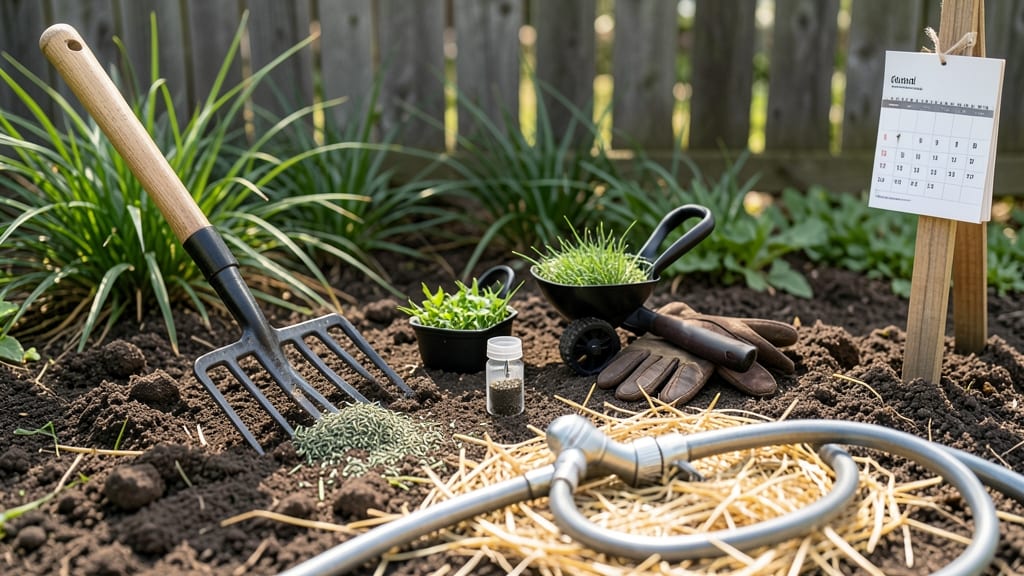
Timing your grass seed planting in Connecticut isn’t just about grabbing a bag and sprinkling—it’s the difference between a lush lawn and months of frustration. With zones 6B-7A facing unpredictable frost dates and soil conditions, planting too early or late can leave your 🌱 dreams wilting before they even begin.
You’ve probably heard the classic advice: "Plant in spring or fall," but Connecticut’s climate throws a wrench into that plan. The ideal frost-free window here is narrower than you think, and missing it means battling heat stress, drought, or early freezes.
Let’s cut through the guesswork and pinpoint exactly when to plant for the best results.
Whether you’re tackling a bare patch or seeding an entire yard, the key is understanding how soil temperature, rainfall, and daylight interact in your specific corner of Connecticut.
I’ll walk you through the two best planting periods, what to watch for in the forecast, and how to prep your lawn so your grass seed takes root like a pro.
Skip the trial-and-error—this is your no-fluff guide to planting grass seed at the perfect moment, so you can enjoy that green carpet sooner rather than later. Let’s get started.
Optimal planting windows in Connecticut (zones 6B-7A): early spring vs. fall timing
Connecticut’s USDA zones 6B-7A create a unique challenge for grass seed planting—too early and frost kills tender sprouts, too late and summer heat stresses young roots. The ideal frost-free window spans just 8-10 weeks each year, split between early spring and fall.
Most Connecticut gardeners achieve the best results by planting in either late April to early May (spring) or mid-September to early October (fall).
Fall planting is often superior because cooler temperatures reduce weed competition, and soil stays moist longer from autumn rains. Spring planting, however, gives you a head start for summer use. Both windows require soil temperatures above 50°F and consistent moisture—critical for germination.
In Hartford (Zone 6B), aim for April 15-May 15 in spring and September 15-October 10 in fall, while coastal areas (Zone 7A) can extend windows by 1-2 weeks.
Here’s how Connecticut’s regional microclimates affect timing:
| Factor | Spring Planting Window | Fall Planting Window |
|---|---|---|
| Average Last Frost Date | April 15 (Zone 6B) / April 20 (Zone 7A) | October 10 (Zone 6B) / October 15 (Zone 7A) |
| Soil Temperature Requirement | 55°F+ (consistently) | 60°F+ (daytime), 50°F+ (nighttime) |
| Best Grass Types | Tall Fescue, Perennial Ryegrass | Fine Fescue, Kentucky Bluegrass |
| Weed Competition Risk | High (spring weeds emerge) | Low (cooler temps slow weeds) |
| Watering Challenge | Moderate (spring rains help) | Low (autumn moisture retained) |
🌱 Pro Tip: Test soil moisture by squeezing a handful—if it crumbles easily, it’s ready for seeding!
For spring planting, wait until 30 days after the last frost to avoid frost damage. Use a soil thermometer to confirm temperatures stay above 55°F for 5+ days.
In northern CT (Zone 6B), this often means delaying until late April, while southern CT (Zone 7A) can start as early as mid-April. Choose cool-season grasses like tall fescue or perennial ryegrass, which germinate faster in cooler spring soils.
Fall planting offers a longer window because Connecticut’s first frost typically arrives in mid-October. Aim to plant 6-8 weeks before frost—so early September in northern areas and late September near the coast. Fine fescue and Kentucky bluegrass thrive in fall’s cooler temps, establishing deep roots before winter.
Monitor 7-day forecasts to avoid planting if rain or frost is predicted within 48 hours.
Regional variations matter: Hartford’s clay soil stays moist longer in fall, while coastal Groton’s sandy soil dries out faster. Adjust watering accordingly—sandy areas need daily checks, while clay soils may only need watering every 3-4 days.
Always water deeply in the morning to prevent fungal diseases like dollar spot, common in Connecticut’s humid summers.
If you miss the optimal windows, don’t panic—late spring (June) or early fall (November) can still work for fast-growing varieties like perennial ryegrass. However, expect slower establishment and higher weed competition. For best results, align your planting with Connecticut’s natural growing seasons and soil conditions.
Remember: Grass seed needs consistent moisture for 2-3 weeks to germinate. Use a sprinkler with a rain gauge to deliver ½ inch of water daily until sprouts appear. In Connecticut’s variable climate, this means checking your lawn twice daily during dry spells—especially in sandy soils that drain quickly.
🌿 For a guaranteed green lawn, mark your calendar for April 20-May 10 (spring) or September 10-October 5 (fall). These dates align with
How to prepare your Connecticut lawn for grass seed success: soil, weather, and pre-planting checks
Preparing your Connecticut lawn properly is the secret weapon between a thin, patchy lawn and a thick, green carpet. Before you even spread that first seed, focus on three critical areas: soil health, weather timing, and weed control.
Skipping these steps can leave your grass seed struggling to take root, no matter how perfect the planting window.
Start by testing your soil pH—Connecticut’s clay-heavy soils in the north and sandy coastal areas often need adjustments. Aim for a pH of 6.0 to 7.0, which is ideal for most grass types.
If your soil tests acidic (below 6.0), add lime 4-6 weeks before planting. For alkaline soils (above 7.0), work in sulfur or peat moss.