
How To
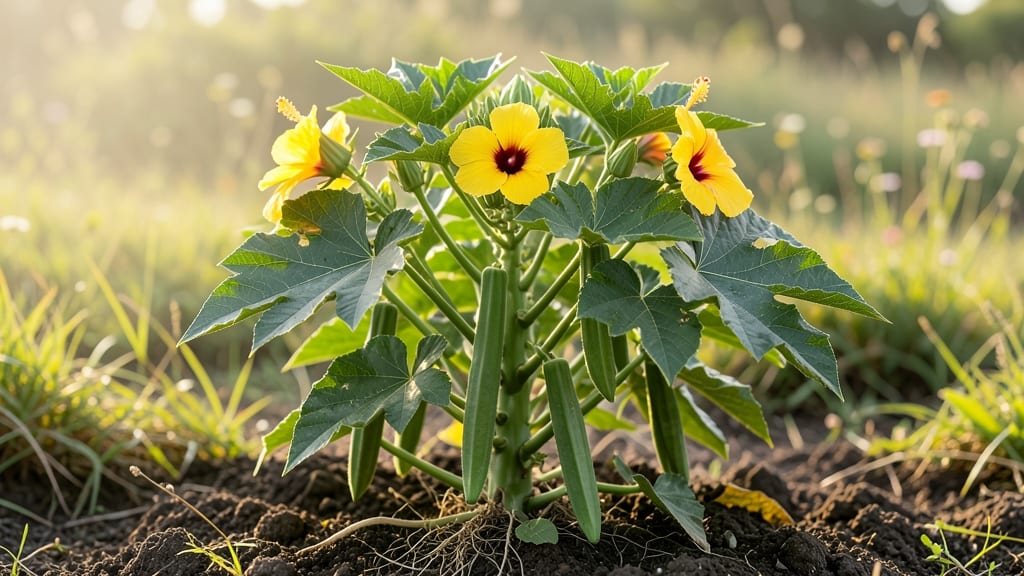
Wondering how tall okra plants grow before you commit to planting? The answer might surprise you—some varieties stretch toward the sky like 6-foot sentinels, while others stay neatly contained under 3 feet. That difference isn’t just about space; it’s about how you’ll harvest, support, and even flavor your pods.
If you’re working with limited garden real estate, you’ll want to know which okra types play nicely in containers or small plots. But if you’re dreaming of a towering summer harvest, there are tricks to encourage (or rein in) that vertical growth—like staking or pruning at the right time.
Let’s break down the heights by variety and the care secrets that make all the difference.
Most gardeners assume okra is either a bushy compact plant or a wild vine, but the truth lies somewhere in between. With the right variety and a few simple adjustments, you can grow okra that fits your space and your harvest goals.
Ready to discover which types thrive in your zone and how to keep them productive?
From Clemson Spineless (a crowd favorite) to Emerald (a taller, pod-heavy option), we’ll cover the exact heights you can expect—and how to support them without sacrificing those prized pods. No more guesswork, just actionable insights to turn your okra patch into a summer bounty.

Okra plant height by variety: exact growth ranges and space needs
Okra plants are famous for their rapid growth and towering height, but not all varieties reach the same impressive stature. The average mature height ranges from 4 to 10 feet, depending on the variety and growing conditions.
Some varieties like Clemson Spineless can easily exceed 8 feet, while others like Emerald stay closer to 5-6 feet. Understanding these differences helps you plan your garden layout and choose the right variety for your space.
Height isn’t the only factor—okra plants also vary in growth habits. Some grow as bushy, compact plants, while others develop tall, vining stems that need support. Proper spacing is crucial to prevent overcrowding, which can lead to poor air circulation and increased disease risk.
Most okra varieties need at least 18-24 inches of space between plants, but taller varieties may require even more room to thrive.
Here’s a quick comparison of popular okra varieties and their typical heights to help you decide which fits your garden best:
If you’re growing okra in containers, opt for shorter varieties like Emerald or Blushing Beauty, which thrive in 5-gallon pots with proper drainage. Taller varieties like Clemson Spineless need deeper containers—at least 12-18 inches deep—to support their root systems.
Always choose containers with drainage holes to prevent root rot from excess moisture.
For in-ground planting, amend your soil with compost or aged manure before sowing seeds. Okra prefers well-draining, fertile soil with a pH between 6.0 and 6.8. If your soil is heavy clay, mix in sand or perlite to improve drainage and prevent stunted growth.
Mulching around the base of the plant also helps retain moisture and suppress weeds, which can compete for nutrients.
Sunlight is another critical factor in okra height. These plants thrive in full sun (6-8 hours daily), but they’ll grow taller and leggier if deprived of light. If you notice your okra stretching toward the sun, consider relocating the plant or providing a support structure to keep it upright.
In cooler climates (USDA zones 6-9), okra may grow more slowly but still reach its full height with proper care.
One common misconception is that okra height directly correlates with pod production. While taller varieties like Clemson Spineless may produce more pods overall, shorter varieties like Arkansas Little Lightning can be just as productive in smaller spaces.
The key is to harvest regularly to encourage continuous growth and prevent the plant from becoming woody or overgrown.
For gardeners with limited space, consider interplanting okra with shorter crops like bush beans or lettuce. This maximizes your yield without sacrificing sunlight or nutrients. Just ensure okra gets priority access to water and fertilizer, as it’s a heavy feeder during its rapid growth phase.
If you’re still unsure which variety to choose, start with a mix of heights to see what thrives in your climate. Keep notes on growth patterns, pod production, and any challenges you encounter. Over time,
Okra plant height by variety: exact growth ranges and space needs
Okra plants vary dramatically in height depending on the variety you choose, with some reaching 8 to 10 feet while others stay under 3 feet. This difference isn’t just about aesthetics—it impacts how you’ll space, support, and even harvest your plants.
For example, Clemson Spineless, a popular variety, typically grows 5 to 6 feet tall, making it ideal for mid-sized gardens or containers with proper staking.
If you’re working with limited space, varieties like Emerald or Red Burgundy might be better choices, as they often max out around 4 to 5 feet. However, these shorter varieties can still benefit from vertical support to maximize pod production.
Understanding these height ranges helps you plan your garden layout and avoid overcrowding, which can lead to disease or poor airflow.
Here’s a quick comparison of some of the most common okra varieties and their typical mature heights, so you can pick the perfect fit for your garden:
| Variety | Mature Height | Growth Habit | Ideal Spacing |
|---|---|---|---|
| Clemson Spineless | 5–6 ft | Bushy | 18–24 in apart |
| Emerald | 4–5 ft | Compact | 12–18 in apart |
| Burgundy | 6–8 ft | Tall, vining | 24–36 in apart |
| Red Burgundy | 5–6 ft | Bushy | 18–24 in apart |
| Jinchan | 7–9 ft | Very tall, vining | 36 in apart |
When planning your garden, consider not just the height of the okra but also its growth habit. Bushy varieties like Clemson Spineless or Red Burgundy spread outward, while taller, vining types like Jinchan need more vertical space.
Proper spacing ensures good airflow, reducing the risk of fungal diseases like powdery mildew, which can plague crowded okra patches.
For container gardening, stick to shorter varieties like Emerald or Burgundy, which can thrive in 5-gallon pots with adequate support. If you’re aiming for a taller harvest, varieties like Clemson Spineless or Red Burgundy will give you more pods without taking over your garden.
The key is matching the variety to your space and support system.
No matter which variety you choose, remember that soil quality, sunlight, and watering play huge roles in how tall your okra will grow. With the right conditions, even shorter varieties can reach their full potential, while taller types may need extra care to stay productive.
Start with the variety that fits your garden’s layout, and don’t forget to give them the support they need!