
Plants
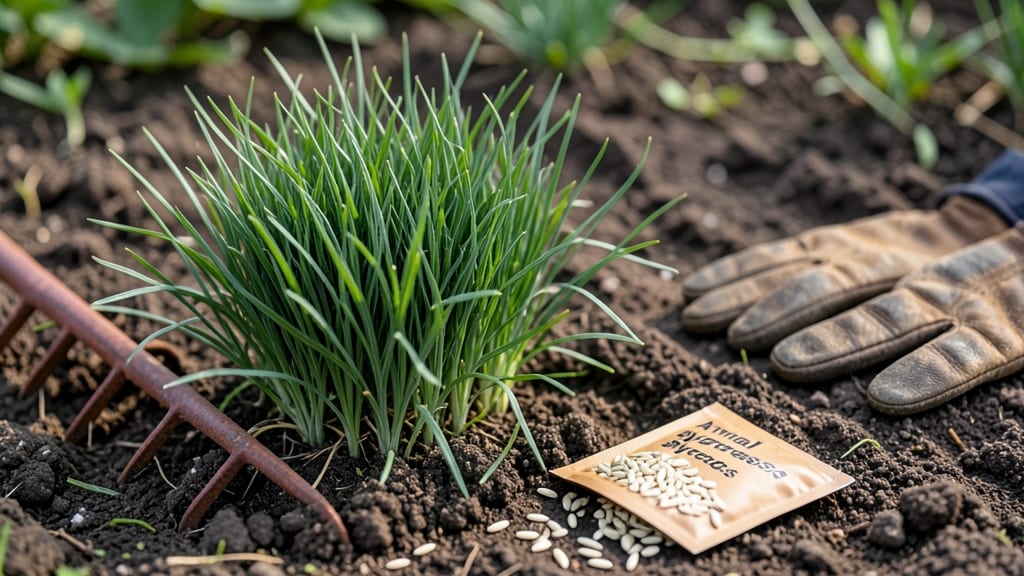
Planting annual ryegrass in Texas at the wrong time can leave you with a patchy, frost-bitten mess—or worse, a summer crop that wilts before it even takes root. The key to a thick, erosion-fighting winter cover lies in knowing your region’s frost dates and adjusting your timeline accordingly.
Whether you’re in North Texas where frost sneaks in by mid-December or South Texas where it lingers until January, timing matters more than you might think.
This fast-growing grass needs 4-6 weeks to establish roots before winter sets in, so planting too late means weak growth and missed benefits like soil protection and weed suppression.
I’ll break down the exact windows—September to November for fall planting and February to March for spring—for your specific Texas zone. Plus, I’ll share pro tips on soil prep, watering schedules, and how to adjust for unpredictable weather patterns that can throw off even the best-laid plans.
Skip the guesswork and get a lush, resilient cover crop that works as hard as you do. Let’s make sure your annual ryegrass thrives, not just survives.
Texas frost dates and ideal planting windows for annual ryegrass
Annual ryegrass thrives in Texas when planted strategically between September and November for fall growth, or February and March for spring.
The key is beating frost—North Texas gardeners should aim for late August to early October, while South Texas has a slightly longer window until mid-November due to milder winters.
Your USDA hardiness zone (7b–9a) determines exact frost dates. In Zone 7b (North Texas), first frost typically hits by December 1, while Zone 9a (South Texas) may see frost as late as January 15. Planting 4-6 weeks before frost ensures strong root establishment before winter sets in.
Here’s the critical rule: Soil temperatures below 50°F slow germination, so avoid planting when nighttime temps dip below this threshold. Use a soil thermometer to confirm—ideal planting temps are 60-75°F for fastest growth.
For overseeding lawns, time your planting to align with your mower’s last cut of the season. Cut grass short (1-1.5 inches) 1-2 weeks before seeding to expose soil for better seed-to-soil contact.
If you miss the fall window, don’t despair—spring planting works too! Aim for February to early March in North Texas or March to early April in South Texas.
This gives your ryegrass time to grow before summer heat arrives, though it may struggle in Zone 10b where temps stay too warm for establishment.
Pro tip: Check the National Weather Service’s 10-day forecast before planting. If rainfall exceeds 1 inch in a week, delay seeding to avoid soil compaction and poor germination. A light drought stress before planting can actually improve seed contact with soil.
For high-elevation areas (e.g., Hill Country), account for 5-7°F colder temps than nearby lowlands. Plant 2 weeks earlier than coastal regions to compensate for earlier frosts. Use a frost calendar like the one from Texas A&M AgriLife for precise local data.
Remember, annual ryegrass grows 3x faster in optimal conditions—soil temps, moisture, and sunlight all play a role. Prioritize well-draining soil and full sun exposure (6+ hours daily) to maximize growth speed and winter hardiness.
By nailing your planting window, you’ll get a dense, erosion-proof cover that suppresses weeds and enriches soil for your spring garden. Don’t let frost catch you off guard—plan ahead and enjoy a lush, low-maintenance winter lawn! 🌱
Texas frost dates and ideal planting windows for annual ryegrass
Texas spans three distinct climate zones, each with its own frost date timeline that dictates when to plant annual ryegrass.
In North Texas (USDA zones 7b-8a), like Dallas and Fort Worth, the first frost typically arrives around December 1, while Central Texas (8a-8b), including Austin, sees frost by November 15.
Meanwhile, South Texas (9a-10b), such as Houston and San Antonio, enjoys later frosts, often January 1 or later.
These variations mean your planting window shifts dramatically. For example, gardeners in North Texas should aim to sow seeds by mid-October to give the grass 6-8 weeks to establish roots before frost.
In Central Texas, you’ve got a slightly longer window—early October to early November—while South Texas gardeners can plant as late as early December.
Here’s a quick reference for your region:
| Region | USDA Zone | First Frost Date | Ideal Planting Window | Notes |
|---|---|---|---|---|
| North Texas | 7b-8a | December 1 | Mid-September to mid-October | Coldest winters; prioritize early planting |
| Central Texas | 8a-8b | November 15 | Early October to early November | Moderate winters; flexible window |
| South Texas | 9a-10b | January 1 | Late September to early December | Mild winters; later planting possible |
If you’re in a transition zone, like the Hill Country, check local weather patterns. A sudden cold snap can delay frost, giving you extra time. Conversely, an early freeze might force you to plant earlier than expected.
Always aim to have 4-6 inches of growth before the first frost for maximum winter resilience.
For spring planting, the rule flips: sow seeds 4-6 weeks before your last frost date. In North Texas, that’s typically February 15, while South Texas gardeners can wait until March 1.
Spring planting is ideal if you’re using annual ryegrass as a green manure crop to improve soil before summer planting.
Pro tip: Use a soil thermometer to confirm soil temps are 50°F or warmer before planting. Cool soil slows germination, and annual ryegrass thrives when soil is ideal for root development. Pair this with a light mulch to retain moisture and protect young seedlings from erratic Texas weather.
Timing isn’t just about frost—it’s about giving your annual ryegrass the best shot at success. With these windows, you’ll avoid the common pitfalls of overly late or early planting and enjoy a thick, erosion-fighting cover all winter long.