
Plants
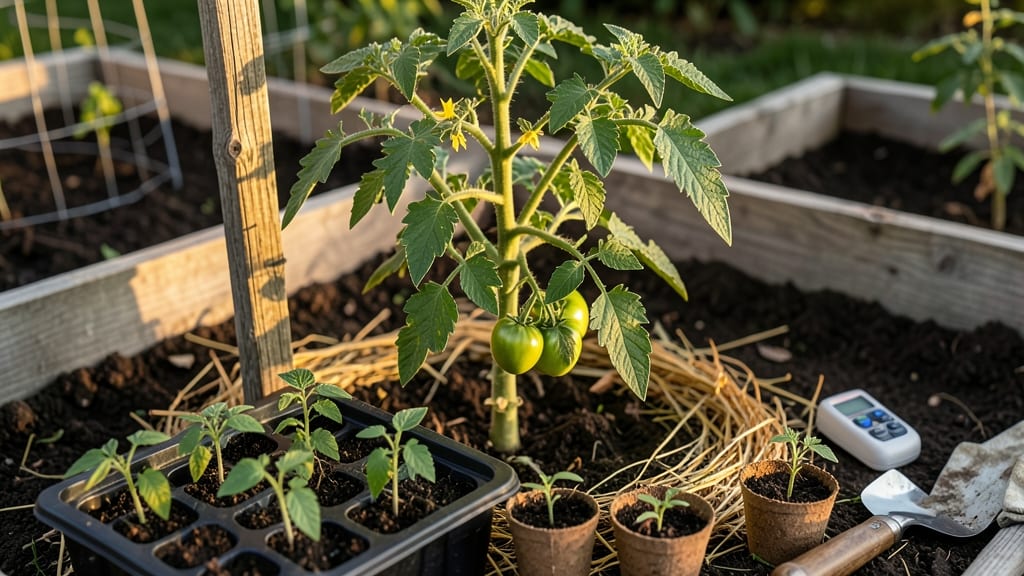
If you've ever stared at your calendar in mid-August wondering when to plant fall tomatoes in North Texas before the heat turns them into sad, wilted leaves, you're not alone.
The difference between a bumper fall harvest and a total flop often comes down to those exact planting weeks—and getting it wrong means watching your hard work fade before your eyes.
Here's the good news: North Texas gardeners in USDA Zone 8a have a narrow but perfect window to plant fall tomatoes that actually thrive. We're talking 6-8 weeks before your first frost, which means timing your transplants for mid-August to early September.
This isn't just about avoiding heat stress—it's about giving your plants enough time to mature before the chill of October arrives.
I've seen firsthand how heat-resistant varieties like 'Heatmaster' or 'Solar Fire' can still produce when planted at the right moment, while others left too late end up stunted.
The key is understanding your specific microclimate—whether you're in Dallas, Fort Worth, or Waco—and how to adjust for those sudden early cold snaps that love to sneak up on us.
Let me show you exactly how to nail those planting weeks, which varieties perform best in our fall conditions, and the simple tricks to protect your crop until harvest. Your future October tomato sandwiches will thank you.
Best planting weeks for fall tomatoes in North Texas (with heat-Zone map)
North Texas gardeners face a tight window for fall tomatoes—too early, and summer heat stresses seedlings; too late, and frost arrives before harvest. The ideal planting window is mid-August to early September, giving your plants 6-8 weeks to mature before the average first frost (November 15).
This timing aligns with USDA Zone 8a-8b and accounts for North Texas' 165 frost-free days.
Your exact planting week depends on your local microclimate. Urban areas like Dallas and Fort Worth often experience urban heat islands, delaying frost by 1-2 weeks compared to rural areas. Check your last frost date (typically March 15) and count backward to determine your planting deadline.
For example, if frost arrives November 15, plant by September 20 to ensure a harvest.
Soil temperature is another critical factor. Tomatoes thrive when soil stays above 60°F (15°C). In North Texas, soil temperatures drop below this threshold in late September or early October.
Use a soil thermometer to confirm readiness—plant only when soil is consistently warm. If temperatures dip unexpectedly, extend your season with row covers or cold frames.
Here’s how to adjust for your specific North Texas region:
For container growers, extend your window by 1-2 weeks—pots warm up faster and can be moved to protected spots. If you miss the ideal window, don’t despair: late August is still viable for fast-maturing varieties (50-60 days), like 'Early Girl' or 'Stupice.'
Just be prepared to harvest before full ripeness and finish ripening indoors.
Pro tip: Monitor the National Weather Service’s North Texas climate outlook for unexpected cold snaps. If a 28°F (-2°C) freeze is forecasted, cover plants with frost blankets or move containers indoors. Even a single night below 32°F (0°C) can damage unprotected plants.
Once you’ve locked in your planting week, focus on soil prep. North Texas soil is often alkaline (pH 7.5-8.5), which tomatoes hate. Amend with compost or sulfur to lower pH to 6.0-6.8.
Add aged manure or worm castings for nutrients, and mix in 1 cup of bone meal per plant to boost phosphorus for root and fruit development.
Finally, choose your planting method: direct sowing (for heat-tolerant seedlings) or transplanting (for younger starts). If direct sowing, plant seeds 1/4 inch deep and keep soil moist until germination (7-14 days). For transplants, harden off seedlings for 5-7 days before planting to avoid transplant shock.
With the right timing and prep, your fall tomatoes will thrive—yielding sweet, sun-ripened fruit just in time for holiday meals. 🌱
Best planting weeks for fall tomatoes in North Texas (with heat-Zone map)
North Texas' USDA Zone 8a climate gives us a 6-8 week window to plant fall tomatoes before frost hits. The magic happens between mid-August and early September, but your exact timing depends on whether you're in Dallas, Fort Worth, or Waco.
Urban areas like Dallas often experience 2-3°F warmer microclimates than rural spots, so adjust accordingly.
For most of North Texas, the first frost date falls around November 15. Count backward 60 days (the average time for a tomato to mature) and you'll land on September 15 as your ideal harvest-ready date.
This means planting transplants by August 15-20 for a reliable harvest before winter sets in.
| Location | Best Planting Window | First Frost Date | Harvest Window |
|---|---|---|---|
| Dallas/Fort Worth | August 15-25 | November 10-15 | September 20-October 31 |
| Waco/Abilene | August 20-30 | November 5-10 | September 25-October 25 |
| Rural Areas | August 25-September 5 | October 31-November 5 | October 10-November 10 |
If you're planting from seedlings, start them indoors 6-8 weeks before your target transplant date. For North Texas, this means early July for most gardeners.
Harden off seedlings by mid-August so they're ready to go into the ground when soil temps drop below 85°F—the point where tomato roots start to struggle.
Pro tip: Use row covers or black plastic mulch to warm the soil and extend your planting window by 1-2 weeks. I've seen gardeners in Dallas push their fall tomatoes into early October with these tricks, adding 4-6 extra weeks of harvest time.
Just be ready to cover plants with frost cloth if temps dip below 32°F.
For container gardeners, stick to determinate varieties like 'Roma' or 'Celebrity'—they mature faster and handle cooler temps better.
If you're in Zone 8b (like parts of East Texas), you might squeeze in a late-September planting, but be prepared to protect your plants with row covers or move pots indoors during cold snaps.
Remember, soil temperature matters more than air temperature. Use a soil thermometer to confirm it's above 60°F before planting—cold soil delays germination and weakens seedlings. If your soil is still too hot, wait a few days or use shade cloth to cool it down.