
Plants
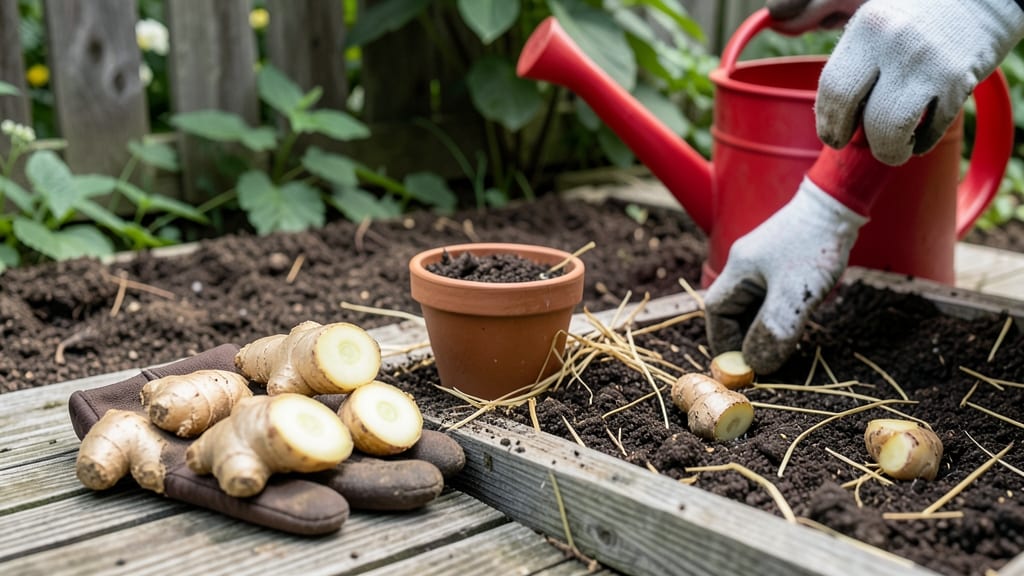
Knowing when to plant ginger in Zone 9 could mean the difference between a bumper harvest and struggling rhizomes that never quite take off.
Unlike cooler climates where frost dictates timing, Zone 9’s warm winters and long growing season demand a different approach—one that avoids summer’s scorching heat while maximizing growth potential.
The key to success lies in planting during those two optimal windows: late winter (January-February) and early fall (September-October). These months give ginger rhizomes the perfect head start, allowing them to establish roots before summer’s intensity kicks in.
Trust me, getting this timing right is the secret to plump, flavorful ginger year after year.
But here’s the thing: Zone 9’s climate isn’t one-size-fits-all. Microclimates, soil moisture, and even your garden’s shade levels can shift the ideal planting window by weeks.
I’ll show you exactly how to read your local conditions and adjust your schedule—so you’re not left guessing whether your ginger will thrive or wither.
Ready to unlock the full potential of your ginger patch? Let’s dive into the precise timing, soil prep, and care tips that will transform your garden into a year-round ginger powerhouse—without the trial-and-error frustration.

Best planting windows for ginger in Zone 9’s hot climate
Zone 9’s warm, frost-free climate makes ginger a fantastic crop—but timing your plantings correctly is key. Unlike cooler zones, ginger thrives in mild temperatures (60-75°F) and struggles with summer heatwaves (above 85°F).
The best windows are January-February for spring harvests or September-October for fall harvests, avoiding the brutal summer months.
Ginger’s growth cycle takes 8-10 months from planting to harvest, so timing matters. Plant too early, and your rhizomes may bolt before maturing. Too late, and summer’s heat will stifle development. Let’s break down the ideal planting schedule for Zone 9’s unique climate.
Zone 9’s lack of frost means we focus on temperature and humidity rather than frost dates. The goal is to give ginger cool, moist conditions during its early growth phase, then gradual heat as it matures. This prevents the rhizomes from cooking in the soil during summer’s peak.
| Planting Window | Ideal Months | Growth Conditions | Harvest Window | Key Considerations |
|---|---|---|---|---|
| Spring Planting | January-February | Cool (60-70°F), high humidity | October-December | Avoid summer heat stress; mulch heavily |
| Fall Planting | September-October | Warm (70-75°F), drying slightly | June-August | Provide afternoon shade; water deeply |
| Staggered Planting | January + September | Cool + Mild conditions | October + June | Extend harvests year-round; rotate planting spots |
For spring plantings (January-February), aim to establish roots before temperatures rise above 75°F. Use shade cloth (30-50%) during summer to protect young plants. This method gives you rhizomes ready for fall harvests (October-December), just as temperatures cool again.
Fall plantings (September-October) take advantage of Zone 9’s mild autumns. Ginger planted now will grow through winter and produce harvests in late spring/early summer (June-August), avoiding the worst heat. This is my favorite method—fewer pests and cooler soil temperatures.
Pro tip: Stagger plantings by 4-6 weeks to ensure a continuous harvest. For example, plant half in January and half in September. This way, you’ll always have fresh ginger ready, whether you’re making teas, cooking, or sharing with neighbors.
Zone 9’s humidity levels (60-80%) also play a role. Ginger loves moisture, but poor airflow leads to fungal issues. Space plants 12-18 inches apart and use mulch (straw or wood chips) to retain moisture without suffocating roots. This is especially critical during dry summer months.
One common mistake is assuming ginger can handle direct summer sun. While it needs 4-6 hours of light daily, afternoon shade (1-4 PM) is a must in Zone 9. Use dappled shade from trees or install shade sails to prevent rhizomes from overheating.
To maximize success, test soil temperature before planting. Ginger prefers 60-75°F soil. Use a soil thermometer to check—if it’s above 80°F, wait or plant in partial shade. This simple step can mean the difference between plump rhizomes and stunted growth.
Remember, ginger is a perennial in Zone 9, but it’s often grown as an annual for harvests. With the right timing, you can enjoy two harvests per year—one in spring and one in fall—without replanting every season. That’s the beauty of mastering Zone 9’s unique climate!
Best planting windows for ginger in Zone 9’s hot climate
In Zone 9, where summers are intense and winters are mild, timing your ginger planting is everything. Unlike cooler zones, you’ve got two prime windows to plant: late winter (January-February) and early fall (September-October).
These months give your rhizomes the cool-but-not-cold conditions they need to establish roots before summer’s heat ramps up.
Spring planting (January-February) is my top recommendation because it aligns with Zone 9’s cooler, wetter months. Your ginger will sprout just as temperatures begin to rise, giving it a head start before the real heat arrives.
Fall planting (September-October) works too, but it’s riskier if summer lingers late—your rhizomes might not mature before the next heatwave.
Here’s the golden rule: Plant when soil temps hover between 60-75°F. This sweet spot ensures your rhizomes wake up from dormancy but don’t get stressed by heat.
In Zone 9, that’s typically January-February for spring and September-October for fall. Use a soil thermometer to double-check—trust me, it’s worth the investment!
| Planting Window | Soil Temp Ideal | Growth Phase | Harvest Window |
|---|---|---|---|
| January-February (Spring) | 60-75°F | Active growth | October-December |
| September-October (Fall) | 65-75°F | Establishment | April-June (next year) |
Pro tip: If you want year-round ginger, stagger your plantings. Start with January-February and follow up with a September-October batch. This way, you’ll always have fresh rhizomes ready to harvest—no more waiting for one big batch!
One more thing: avoid planting in summer. Zone 9’s heat can stress young ginger plants, leading to stunted growth or even death. If you’re tempted to plant in March or November, monitor your garden’s microclimate. Shady spots or areas with afternoon shade are your best bets for summer resilience.
Ready to dive deeper? Next, we’ll cover how to adjust your planting schedule for continuous harvests—including soil prep, moisture tricks, and protecting your ginger from summer’s worst heatwaves. 🌱