
Plants
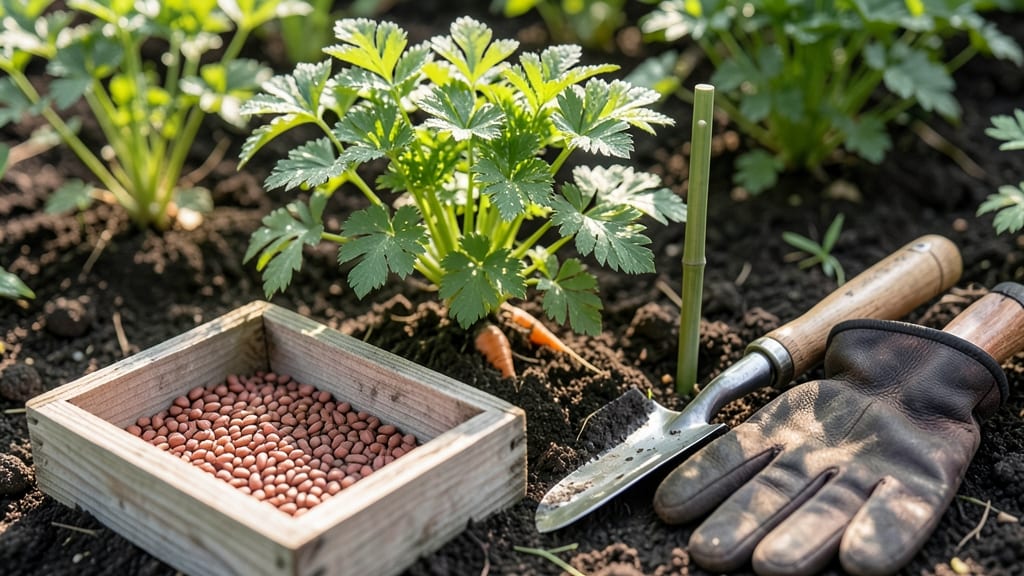
Timing your carrot planting in North Carolina is the secret to avoiding bitter, stunted 🥕—or worse, a garden full of weeds instead of harvests.
With USDA zones 7a-8b bringing unpredictable springs and early autumn chills, getting those seeds in the ground at the right moment means the difference between crisp, sweet roots and a disappointing patch.
I’ve learned the hard way that planting too early risks frost damage, while waiting too long can leave you scrambling for summer harvests. The key? Two perfect windows: February-April for spring carrots and August-September for fall crops—both timed to outpace North Carolina’s 180-240 frost-free days.
But here’s the catch: your exact timing depends on whether you’re in Raleigh’s humid lowlands or Asheville’s cooler highlands.
What you’ll discover here are the exact frost-free planting schedules tailored to your microclimate, plus pro tips to extend your harvest. Skip the guesswork and start with soil that’s 50-60°F—the magic number for happy 🥕 seeds. Let’s get those rows planted right.
Ready to turn your garden into a carrot goldmine? I’ll walk you through the step-by-step timeline, from seed to harvest, so you’re never left wondering if your next bite of 🥕 will be worth the wait.
Best planting windows for carrots in NC zones 7a-8b by season
North Carolina’s USDA Zones 7a-8b offer two prime windows for planting carrots, but timing is everything. The state’s last frost dates vary dramatically—from mid-March in Charlotte to early April in Asheville—so adjust your schedule accordingly.
For the sweetest harvest, focus on spring and fall plantings, with summer options for heat-tolerant varieties.
Carrots thrive in cool soil temperatures (55-85°F), making early spring and late summer the ideal times. Plant too early, and cold soil causes poor germination. Wait too long, and summer heat triggers bolting (flowering) before roots mature.
Balance is key, especially in NC’s humid climate, which can stress plants if not managed properly.
Here’s the breakdown of your planting windows, soil prep needs, and regional adjustments for Raleigh, Asheville, and Charlotte:
| Season | Planting Window (NC Zones 7a-8b) | Soil Temp Requirement | Regional Adjustments |
|---|---|---|---|
| Spring | Feb 15 – Apr 15 | 55–75°F (after last frost) |
|
| Summer | Jun 15 – Jul 15 (heat-tolerant varieties only) | 65–75°F (shade cloth required) |
|
| Fall | Aug 1 – Sep 15 | 60–70°F (before soil cools) |
|
| Winter (Cold-Hardy) | Oct 1 – Nov 1 (Zone 8b only) | 40–55°F (with row cover) |
|
For spring plantings, aim to sow seeds 4–6 weeks before your last frost date. In NC, this means starting as early as mid-February in Charlotte but waiting until early March in Asheville.
Use a seedling heat mat if soil stays below 55°F to ensure germination. Thin seedlings to 2–3 inches apart once they’re 2 inches tall to prevent competition.
If you’re planting in summer, choose short-day varieties like ‘Paris Market’ and provide 30–50% shade cloth to keep soil temperatures below 85°F. Water deeply in the early morning to reduce evaporation and stress. Summer carrots often bolt prematurely, so prioritize quick-harvest varieties.
Fall plantings offer the sweetest, crispest carrots in NC, thanks to cooler temperatures. Start seeds 8–10 weeks before your first frost (typically early August). Use black plastic mulch to warm the soil and extend the season.
For a second fall crop, try succession planting every 2 weeks from August through September.
Pro tip: Test your soil’s pH (6.0–6.8) before planting—NC’s clay-heavy soils often need compost or sand to improve drainage. Fork in 1
Best planting windows for carrots in NC zones 7a-8b by season
North Carolina’s USDA zones 7a-8b create two distinct planting seasons for carrots: a spring window and a fall window. The difference between these seasons isn’t just about timing—it’s about soil temperatures, frost risk, and even your local microclimate.
In Raleigh, for example, you’ll plant 2-3 weeks earlier than in Asheville’s cooler highlands, where late frosts linger until mid-April.
For spring carrots, aim to plant between mid-February and early April, once soil temperatures hit 50-60°F. This ensures seeds germinate quickly and avoids the late frost risk that can kill young seedlings.
In Zone 8b areas like Charlotte, you can start as early as late January under row covers, but wait until March in Zone 7a (e.g., Boone or Banner Elk).
Your fall planting window runs from mid-August to early September, giving carrots 70-80 days to mature before the first frost (typically mid-November). This is your best shot at winter carrots—just choose cold-hardy varieties like ‘Danvers’ or ‘Chantenay’ to survive light frosts.
Pro tip: Use black plastic mulch in fall to warm the soil and extend the season by 2-3 weeks.
| Season | Planting Window (NC Zones 7a-8b) | Soil Temp | Key Consideration |
|---|---|---|---|
| Spring | Mid-February to early April | 50-60°F | Avoid late frosts; use row covers in Zone 7a |
| Summer (Succession) | Late May to early July | 60-70°F | Plant in partial shade; keep soil moist |
| Fall | Mid-August to early September | 55-65°F | Choose cold-hardy varieties; mulch for frost protection |
| Winter (Covered) | Late September (under covers) | 50°F+ | Use cold frames; harvest before hard freeze |
Here’s the golden rule for NC gardeners: Plant when soil is workable, not when calendar says spring. Stick your finger in the dirt—if it’s easily crumbled and 50°F+, your seeds are ready.
In Zone 8b (e.g., Fayetteville), you might squeeze in a late summer planting (July) for a fall harvest, but this is risky due to humidity and pests. Always prioritize spring and fall for the best results.
One mistake I see often? Planting too densely in spring to “cover all bases.” Instead, space seeds thinly (1/2 inch apart) and succession plant every 2 weeks for a steady supply.
In Asheville’s Zone 7a, I’ve had success with ‘Paris Market’ carrots planted in late March—they mature in 60 days, just in time for summer salads. For fall crops, ‘Nantes’ varieties are my go-to; they handle cooler temps better.
Remember: Carrots hate competition. If you’re planting in clay-heavy NC soil, amend with compost or sand to prevent forking. And always water deeply after planting—shallow roots mean bitter, stunted carrots.
With these windows nailed down, you’re set for a harvest every 2-3 months—no grocery store needed!