
Plants
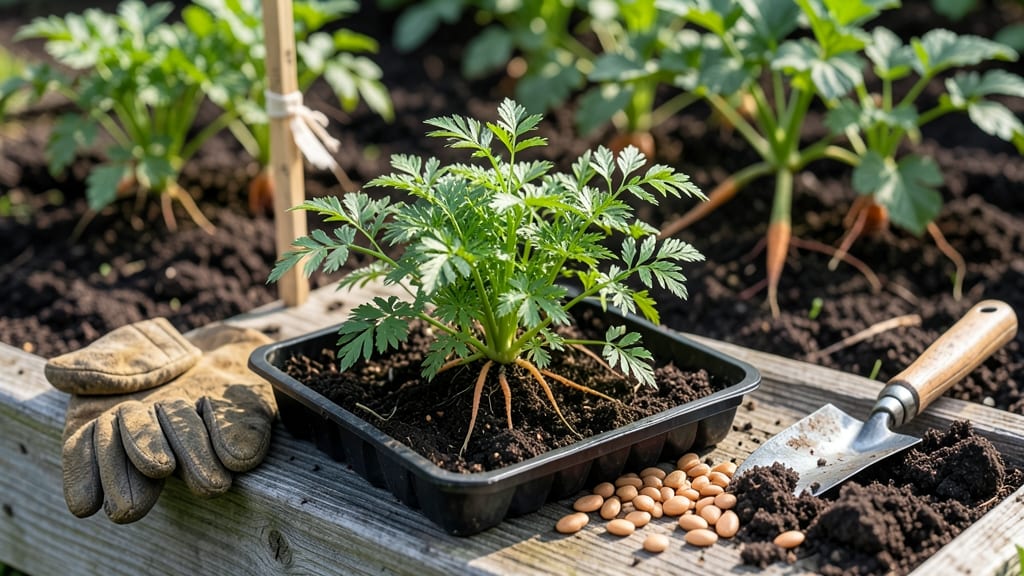
Timing your fall carrot planting just right is the difference between sweet, crisp roots and bitter, stunted failures. The key lies in sowing seeds 4-6 weeks before your first frost—a window that shifts dramatically depending on where you live.
If you're in USDA Zone 6a (like me!), that means late August to early September is prime time for 🥕 seeds to mature before winter sets in. But get this wrong, and you might end up with carrots that bolt, split, or never fully develop.
Don’t worry—this isn’t rocket science. I’ll break down exactly how to calculate your perfect planting date, whether you’re in a warmer Zone 10 or a colder Zone 3. Plus, I’ll share pro tips to extend your harvest season and avoid common mistakes that ruin fall crops.
Ready to grow carrots that taste like sunshine even in chilly weather? Let’s get those seeds in the ground at the perfect moment.
Fall carrot planting schedule by USDA Zone (weeks before first frost)
Your USDA hardiness zone dictates the perfect window for planting carrots in fall. In Zones 3-7, sow seeds 4-6 weeks before first frost to ensure mature roots before winter.
For Zones 8-10, extend planting to 6-8 weeks before frost due to milder climates. This timing prevents woody roots or frost damage while maximizing sweetness from cool weather.
Fall's cooler temperatures actually enhance carrot flavor by converting starches to sugars. However, planting too late risks small, underdeveloped roots. Use your average first frost date as your benchmark and count backward to calculate ideal planting windows for your specific zone.
🌱 Fall Carrot Planting by USDA Zone
| Zone | Planting Window | Soil Temp | Key Notes |
|---|---|---|---|
| 3-4 | Late Aug - Early Sept | 50-55°F | Use row covers for warmth |
| 5-6 | Mid-Aug - Mid-Sept | 55-60°F | Sweetest flavor development |
| 7-8 | July - Early Sept | 60-65°F | Succession plant every 2 weeks |
| 9-10 | June - Oct | 65-70°F | Plant until 8 weeks before frost |
🌡️ Pro Tip: Verify soil temperature with a thermometer or wait until nighttime temps stay above 40°F.
For short-day varieties like 'Danvers' or 'Nantes', late summer planting gives them time to mature before shorter days. Long-day varieties such as 'Chantenay' require 6-8 weeks before frost in cooler zones to fully develop. Always choose varieties suited to your growing season length.
Plant thin, evenly spaced seeds at ¼-inch depth and maintain consistent soil moisture until germination (7-14 days). After sprouting, thin seedlings to 2-3 inches apart to prevent competition that causes forked roots or stunted growth.
In Zones 3-4, consider using black plastic mulch to warm soil and extend the growing season. This technique can push planting dates 2-3 weeks earlier while maintaining ideal soil temperatures for germination.
Remember that soil preparation is just as critical as timing. Work in 2-3 inches of compost and remove all rocks to ensure straight, unobstructed roots. Loose, well-drained soil prevents the forked or hairy roots that frustrate many gardeners.
If your fall season feels too short, try succession planting—sow new seeds every 2 weeks until 6 weeks before your first frost. This staggered approach ensures a continuous harvest rather than a single late-season bounty.
For gardeners in Zone 10, you can even plant two fall crops—one in June and another in September—to take advantage of the mild winter. Just be prepared to harvest before any unexpected cold snaps.
Fall carrot planting schedule by USDA Zone (weeks before first frost)
Your USDA hardiness zone is the #1 factor in determining when to plant carrots in the fall. In Zones 3-7, aim to sow seeds 4-6 weeks before first frost—this ensures roots mature before winter sets in.
For Zones 8-10, extend planting to 6-8 weeks before frost due to milder temperatures.
Cool fall weather actually sweeten carrots by converting starches to sugars. However, planting too late means small, woody roots or frost damage. Use your average first frost date as your starting point and count backward.
Soil temperature matters too—carrots need 50-60°F soil to germinate. In colder zones, wait until late August or early September when soil warms slightly. In warmer zones, you can start as early as July.
🌱 Fall Carrot Planting by USDA Zone
| Zone | Planting Window | Soil Temp | Notes |
|---|---|---|---|
| 3-4 | Late Aug - Early Sept | 50-55°F | Use row covers for warmth |
| 5-6 | Mid-Aug - Mid-Sept | 55-60°F | Ideal for sweetest roots |
| 7-8 | July - Early Sept | 60-65°F | Succession plant every 2 weeks |
| 9-10 | June - Oct | 65-70°F | Plant until 8 weeks before frost |
🌡️ Pro Tip: Check soil temp with a thermometer or wait until nighttime temps stay above 40°F.
For short-day varieties (like 'Danvers' or 'Nantes'), planting in late summer gives them time to mature before days shorten. Long-day varieties (like 'Chantenay') need longer growing windows, so plant them 6-8 weeks before frost in cooler zones.
Start with thin, evenly spaced seeds (1/4 inch deep) and keep soil moist until germination (7-14 days). Thin seedlings to 2-3 inches apart to prevent overcrowding, which leads to forked or stunted roots.