
Plants
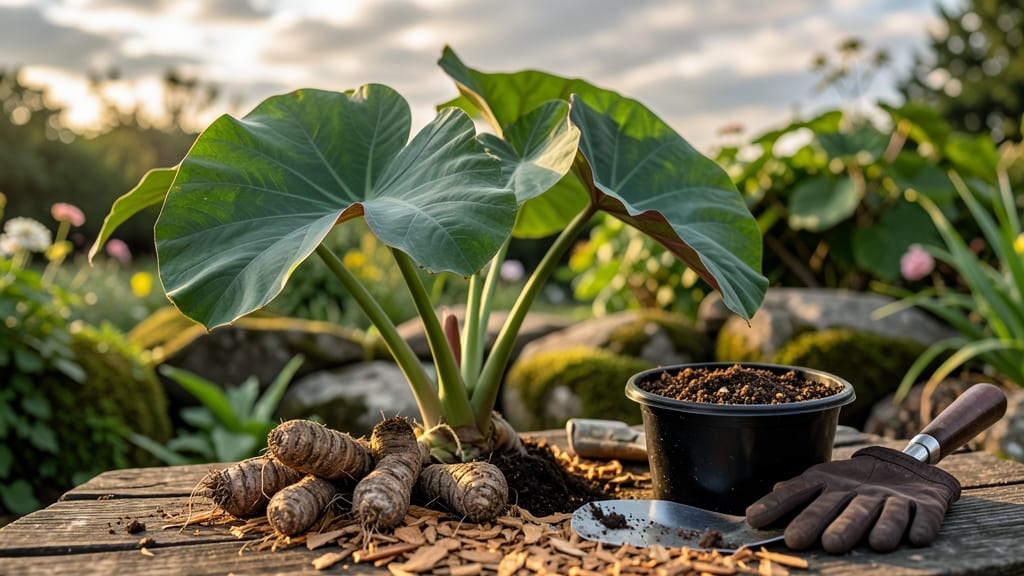
When to plant elephant ear bulbs in Texas 🌿 is the secret to a garden that bursts with bold, tropical foliage instead of wilting under the heat. Timing these tubers just right makes all the difference between a showstopping display and a sad, wilted disappointment. Too early, and your tubers rot in cold soil; too late, and you miss the prime growing window. The key? Planting when soil temperatures hit 60°F—a threshold that varies wildly from North to South Texas.
If you're in North Texas (Zone 8a), wait until after your last frost—usually around March 15—when the ground finally warms up. Meanwhile, gardeners in South Texas (Zone 10b) can start as early as February, thanks to milder winters.
But here's the catch: even within these windows, microclimates (like urban heat islands or shaded spots) can shift your ideal planting date by 2-3 weeks.
You might be wondering whether to plant tubers or seeds—spoiler: tubers are the game-changer for Texas growers. They establish faster and handle our brutal summers better than seeds ever could.
Plus, with a little prep (like loosening soil and mixing in compost), you’ll give your Elephant Ear 🌿 the perfect foundation to thrive from spring through fall.
Ready to skip the guesswork? I’ll walk you through exactly how to check soil warmth, adjust for your specific region, and even extend your planting window with smart tricks. Let’s get those dramatic leaves growing!
Texas soil warmth thresholds for planting elephant ear bulbs
Timing is everything when planting elephant ear bulbs in Texas. These tropical plants need warm soil (at least 55°F) to thrive, but cold soil can trigger rot.
Texas’s diverse climate means North, Central, and South Texas have different planting windows—sometimes weeks apart. Let’s break it down by region so you can plant with confidence.
Most Texas gardeners focus on spring planting (March–May), but fall planting (September–October) works too if you’re in Zones 9–10. The key is waiting until the last frost date has passed and soil temperatures consistently stay above 60°F.
Use a soil thermometer to check—planting too early in cold soil is a common mistake.
Here’s the region-by-region breakdown of when to plant, based on average last frost dates and soil warmth. This table also includes microclimate tips for urban vs. rural areas, since cities like Austin or Dallas can be 5–10°F warmer than surrounding farmland.
| Region | USDA Zone | Last Frost Date | Ideal Planting Window | Soil Temp Threshold | Microclimate Tip |
|---|---|---|---|---|---|
| North Texas | 8a–8b | Mid-March | Late April–May | 60°F+ | Wait for soil to warm; use black plastic mulch to speed it up. |
| Central Texas | 8a–9a | Mid-February | March–April | 58°F+ | Urban areas (Austin) can plant 1–2 weeks earlier than rural zones. |
| South Texas | 9a–10b | Mid-January | February–March or September–October | 55°F+ | Fall planting is risk-free; use shade cloth in summer to prevent leaf scorch. |
Testing soil warmth is simple: Insert a soil thermometer 4–6 inches deep in the ground on a sunny morning. If it reads below 55°F, wait 1–2 weeks.
Pro tip: Black plastic mulch can raise soil temps by 5–10°F, letting you plant earlier in cooler zones like North Texas.
For container gardening, soil warms faster, so you can plant 2–3 weeks earlier than in-ground. Just ensure pots have drainage holes to prevent rot. In Zones 9–10, you can even plant as early as February if you protect tubers with a row cover for the first 2 weeks.
Remember: Elephant ears are tropical and hate cold soil. If you plant too early, bulbs may rot before sprouting. Always check the 7-day forecast for nighttime temps—if they dip below 50°F, delay planting until conditions stabilize.
Once you’ve nailed the timing, focus on well-draining soil and partial shade in peak summer to keep foliage lush. In North Texas, mulch heavily to insulate roots—this helps extend the growing season by 3–4 weeks in fall.
🌱
Texas soil warmth thresholds for planting elephant ear bulbs
Texas’s diverse climate means your elephant ear bulbs (Colocasia) won’t thrive with a one-size-fits-all approach. The golden rule? Plant when soil temperatures hit 60°F or warmer—cold soil triggers rot, while waiting too long cuts your growing season short.
North Texas gardeners must play the waiting game, while South Texas growers can start earlier. But how do you know when your soil is ready?
Use a soil thermometer to check temperatures 2-3 inches deep—this mimics the depth where bulbs will sit. Morning is the best time to test, as soil cools overnight. In North Texas (Zone 8a), aim for mid-March when last frost averages March 15.
Meanwhile, Central Texas (Zone 8b-9a) can plant by early March, and South Texas (Zone 9b-10b) can start as early as late February.
🌱Pro Tip: If your soil is still chilly, try black plastic mulch to warm it 5-10°F faster—just remove it before planting to avoid overheating bulbs.
| Region | Last Frost Date | Ideal Planting Window | Soil Temp Threshold |
|---|---|---|---|
| North Texas (Zone 8a) | March 15 | Mid-March to early April | 60°F+ |
| Central Texas (Zone 8b-9a) | February 15 | Early March to mid-April | 60°F+ |
| South Texas (Zone 9b-10b) | January 15 | Late February to early March | 60°F+ |
Microclimates complicate things further. Urban areas like Austin or Houston can be 5-10°F warmer than rural zones, while shaded spots may stay cooler. Test your specific garden bed—don’t assume your neighbor’s timing applies to you.
For container gardening, soil warms faster, so you might plant 2-3 weeks earlier than in-ground.
Fall planting is another option for South and Central Texas. Aim for September-October when soil temps drop below 80°F—this gives bulbs time to establish before winter. In North Texas, fall planting risks early frosts, so stick to spring unless you’re using row covers for protection.
🌿Remember: Even with perfect timing, well-draining soil is non-negotiable. Amend heavy clay with compost or sand to prevent bulb rot—a common killer in Texas’s humid summers.