
Plants
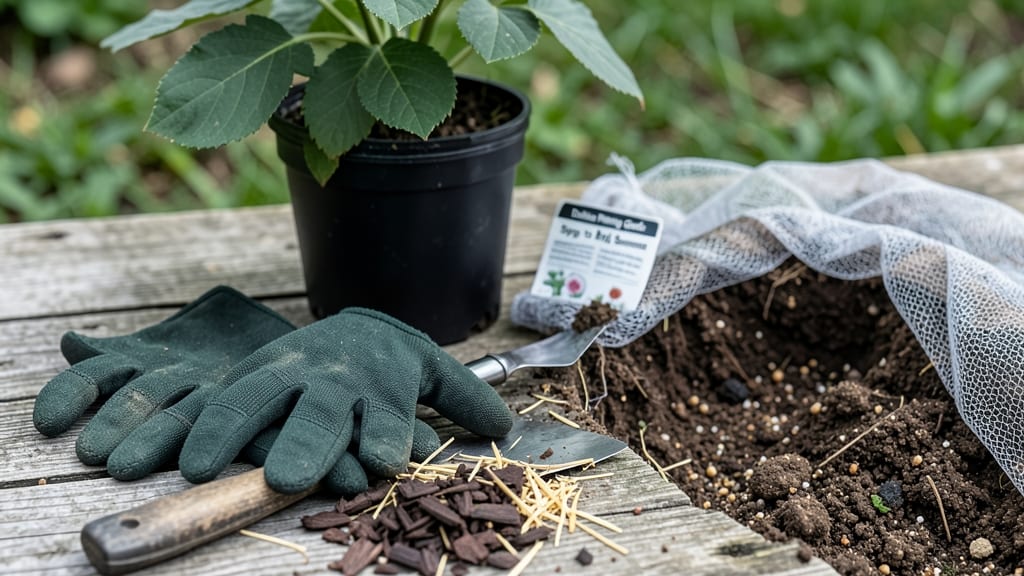
Planting dahlias in Maine at the wrong time means frost-damaged tubers or missed summer blooms—and nobody wants that. The key to vibrant 🌼 dahlias lies in understanding your zone’s frost-free dates, soil warmth, and local microclimates that can push your planting window by 2-3 weeks.
Maine’s 5b-6b zones demand patience: waiting until after the last frost (typically mid-May) ensures tubers sprout safely, but rushing too late cuts your blooming season short.
I’ll break down the exact frost-free windows by zone, plus soil temperature tricks to extend your growing season—so you’re not left with half-bloomed dahlias by September.
Whether you’re a first-time gardener or a veteran with frost-bitten tubers under your belt, this guide cuts through the guesswork.
You’ll learn how to prep tubers for early starts, spot early/late planting red flags, and even adjust for Maine’s notorious microclimates that can turn a failed patch into a lush display.
Ready to transform your garden into a dahlia paradise? Let’s dive into the frost-free dates, soil secrets, and pro tips that’ll have your dahlias thriving from June through October—no matter where in Maine you’re planting.
Maine’s frost-free dates by Zone: best planting windows for dahlias
Maine’s USDA Zones 4-6 create unique challenges for dahlia growers. Unlike warmer climates, our short growing season demands precise timing—plant too early, and frost will blacken your tubers; too late, and you’ll miss peak blooms.
The key is waiting for soil temperatures to stabilize above 60°F and checking your local last frost date.
Most of Maine falls into Zone 5b-6a, where the average last frost date ranges from May 10-25. However, coastal areas like Bar Harbor may see frost as late as June 1, while inland regions like Augusta can plant by May 15.
Always verify with your local cooperative extension office for microclimate adjustments.
For dahlia tubers, which are frost-sensitive, the safest window is 2-4 weeks after your last frost. This gives soil time to warm and reduces transplant shock.
In Zone 5b, aim for late May to early June; in Zone 6a, you can start as early as mid-May.
Pro Tip: Use a soil thermometer to confirm temperatures. Dahlias thrive when soil stays above 60°F for at least a week before planting. Cold soil slows root growth and increases disease risk.
If you’re eager to start earlier, consider pre-sprouting tubers indoors 4-6 weeks before your target planting date. Place tubers in a moist, well-draining mix (like perlite and peat) and keep them in a warm, bright spot (70-75°F). Once sprouts reach 3-4 inches, they’re ready for transplanting outdoors.
For late bloomers, choose dwarf varieties like 'Café au Lait' or 'Bishop', which mature faster. These varieties can handle slightly cooler soils and still produce vibrant blooms by mid-July, even in Zone 5b.
Always monitor your garden’s microclimate. South-facing beds warm faster, while north-facing areas may need 2-3 weeks extra. Use black plastic mulch to raise soil temperatures by 5-10°F and speed up the growing season.
Remember: Dahlias need 90-120 days to bloom. Planting too late in Zone 5b risks blooms appearing after the first frost (October 15), cutting your season short. Aim for early June in most of Maine to maximize your display.
For real-time updates, check the Maine Climate Office or use apps like PlantNet to track local frost dates. With the right timing, your dahlias will reward you with months of stunning color—from July through October.
How to extend your dahlias’ season in Maine: tips for early and late planting
Maine’s short growing season can feel like a race against time for dahlias, but with the right tricks, you can push your blooming season from June to October. The key is preparing tubers early and protecting them from late frosts.
I’ve tested these methods in my own garden—some work better than others, but all can add weeks to your dahlias’ performance.
For early planting, start tubers indoors 4-6 weeks before your last frost date (usually mid-May). Use a warm spot (70°F) and plant them in small pots with well-draining soil.
Once sprouts appear, harden them off for a week before transplanting after the frost-free date. This head start gives you 3-4 weeks of extra blooms compared to direct planting.
If you’re in a cooler microclimate (like coastal Maine), consider using row covers or cold frames to extend the season.
These protect young plants from late frosts (which can hit as late as June 10 in Zone 5b) and even allow for fall planting of hardy varieties like ‘Café au Lait’ or ‘Bishop.’ Just remove covers during the day once temps rise above 50°F to avoid overheating.
Here’s a game-changer: succession planting. Instead of planting all tubers at once, stagger them every 2-3 weeks after your first frost-free date. This ensures a continuous bloom cycle—when the first batch fades in September, the later ones are just hitting their peak.
It’s like having a rolling garden party for your dahlias!
Sprout tubers in pots 4-6 weeks before last frost. Transplant after sprouts are 3-4 inches tall.
Use frames to plant 2-3 weeks earlier or extend season into early October.
Plant tubers in batches every 2 weeks for nonstop blooms.
Dig tubers after first frost, cure in shade for 24 hours, then store in dry peat moss at 40-50°F.
Choose dwarf or cold-hardy varieties like ‘Thomas Edison’ for longer fall displays.
Don’t forget to overwinter tubers for next year! After the first frost blackens the foliage, dig up tubers, shake off soil, and cure them in a shady, dry spot for 24 hours. Store them in dry peat moss or vermiculite in a cool (40-50°F), dark place.
Check monthly for rot—discard any mushy tubers. With proper storage, your dahlias will be ready to replant in early May and bloom even earlier the next season.
Pro tip: Label your tubers by variety and planting date. This helps you track which ones thrive in your microclimate and plan your succession batches like a pro. My ‘Galaxy’ dahlias always outperform others in my garden’s partial shade—knowing this lets me prioritize them for early planting.
With these tricks, you’ll turn Maine’s short season into a dahlia lover’s paradise. Whether you’re a beginner or a seasoned gardener, extending your dahlias’ season is all about preparation and protection—not luck. 🌼