
Plants
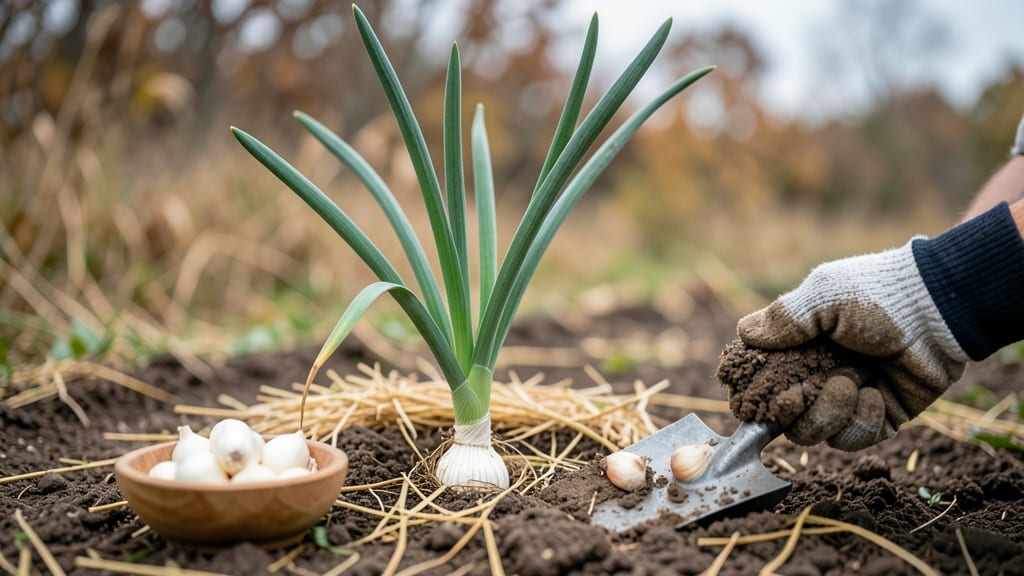
Planting garlic in the fall is one of the most important decisions you'll make for a bountiful harvest next summer - and getting the timing right makes all the difference.
That 6-8 week window before your first hard frost isn't just a suggestion; it's when your garlic plants establish strong roots before winter dormancy.
For USDA Zone 6a gardeners like me, that means aiming for late September to early October, but your exact timing depends on local frost dates and climate patterns.
Why does this timing matter so much? Garlic needs cold exposure to develop properly, but planting too early gives it time to sprout before winter sets in. Too late, and the roots won't establish before the ground freezes.
The good news is that once you understand your local frost dates and adjust accordingly, you'll be well on your way to growing hardneck garlic that produces those prized cloves we all love.
I've learned through experience that the key to successful fall planting lies in three factors: knowing your frost dates, preparing your soil properly, and choosing the right variety for your climate.
Let me walk you through exactly how to calculate your perfect planting window, what soil conditions your garlic will thrive in, and how to avoid common mistakes that could ruin your harvest before it even begins.
Whether you're a seasoned gardener or just starting with garlic, these insights will help you grow the healthiest, most productive plants possible. The effort you put into timing now will pay off dramatically when you're harvesting plump bulbs ready for cooking or storing come summer.
Let's get your garlic in the ground at exactly the right time for maximum success.
The ideal fall planting window for garlic: 6-8 weeks before frost
Garlic thrives when planted in the fall, but timing is everything. The 6-8 week rule before your first hard frost ensures bulbs develop properly over winter.
This window gives garlic enough time to establish roots before the ground freezes, while still benefiting from cold stratification—a natural process that enhances bulb formation.
In most of the U.S. (USDA Zones 3-8), this translates to planting between mid-October and early November. However, exact dates vary by region. For example, gardeners in Zone 5 might plant in early October, while those in Zone 8 could wait until late November.
The key is to avoid planting too early, which can lead to excessive top growth before winter.
To find your exact planting window, check your local frost dates. The National Weather Service or Old Farmer’s Almanac provide average frost dates for most areas. Subtract 6-8 weeks from your first hard frost date to calculate your ideal planting window.
For instance, if frost arrives November 15, plant between September 24 and October 15.
Why does this timing matter? Garlic needs cold temperatures (32-40°F) to form bulbs. Planting too late risks weak roots before winter, while planting too early can result in bolting (premature flowering) the following spring. The 6-8 week window strikes the perfect balance for most climates.
| Region (USDA Zone) | First Hard Frost | Ideal Planting Window | Notes |
|---|---|---|---|
| Zone 3-4 (Cold Climates) | Mid-October | Early September to mid-September | Plant hardneck varieties; soil freezes early. |
| Zone 5-6 (Midwest/Northeast) | Late October to early November | Late September to mid-October | Best for both hardneck and softneck. |
| Zone 7-8 (South/Central) | Mid-November to December | Early October to early November | Softneck varieties preferred; milder winters. |
| Zone 9-10 (Coastal/Southwest) | January | Late October to early December | Plant in fall or early winter; avoid heat stress. |
Soil temperature plays a critical role in garlic’s success. Aim to plant when soil temps are between 40-60°F. Use a soil thermometer to check—cool but not frozen soil is ideal.
If your soil is too warm (above 60°F), wait a few weeks or use shade cloth to cool it down. Conversely, if the ground is already frozen, your garlic is too late for the season.
Another pro tip: Adjust for microclimates. Areas near large bodies of water or urban heat islands may have later frosts. Observe your garden’s specific conditions for at least 3 years to refine your planting schedule.
For example, a south-facing slope might warm up faster than the rest of your yard, delaying frost by a week or more.
Once you’ve nailed your planting window, focus on soil preparation. Garlic prefers well-draining, fertile soil with a pH between 6.0 and 7.0. Work in compost or aged manure 2-3 weeks before planting to provide nutrients without burning young roots. Avoid fresh manure, which can overheat the soil.
Finally, remember that regional adjustments are key. If you’re in a high-altitude area (e.g., Colorado, Utah), frost can come earlier—plant on the earlier side of the window. Conversely, coastal regions (e.g., Pacific Northwest) often have milder winters, so you can plant later.
Always prioritize 6-8 weeks before frost, but stay flexible based on your local climate patterns.
With the right timing, your garlic will reward you with plump, flavorful bulbs the following summer. The secret? Patience and precision—two qualities every great gardener shares. 🌱
The ideal fall planting window for garlic: 6-8 weeks before frost
Planting garlic in the fall is all about timing—specifically, the 6-8 week window before the first hard frost. This rule ensures your cloves establish strong roots before winter dormancy, setting the stage for robust bulbs the following summer.
For USDA Zone 6a (like much of the Midwest), this typically means planting between mid-October and early November, but your exact date depends on your local frost forecast.
Why this window? Garlic needs 4-6 weeks of cool soil temperatures (40-50°F) to initiate root growth before the ground freezes solid. Planting too early risks rot, while planting too late leaves insufficient time for root development.
Check your average first frost date (via the USDA Plant Hardiness Zone Map) and count backward to calculate your ideal planting window.
🌱 Fall Planting Timeline by USDA Zone
| Zone | Ideal Planting Window | Soil Temp Goal |
|---|---|---|
| 3-5 (Cold Climates) | Late September - Mid-October | 40-50°F |
| 6-7 (Midwest/Northeast) | Mid-October - Early November | 40-50°F |
| 8-10 (Mild Climates) | November - Early December | 50-60°F |
💡 Pro Tip: Use a soil thermometer to confirm temperatures—garlic roots need consistent coolth to thrive.
For regions with unpredictable frost dates, like the Pacific Northwest or Appalachians, err on the earlier side of the window. If you’re in a warmer zone (8-10), you can plant as late as early December, but avoid planting after the first frost—garlic won’t tolerate freezing soil.
Another key factor is daylength. Garlic bulbs develop in response to short winter days, so planting too late (when days lengthen) can disrupt this cycle.
Aim to plant before daylength exceeds 10 hours to maximize bulb size. In the southern U.S., this might mean planting in November or even December.
Once you’ve nailed your planting window, focus on soil prep: garlic thrives in loose, well-draining soil with a pH of 6.0-7.0. Work in 2-3 inches of compost and avoid fresh manure, which can burn delicate roots. Mulch with straw or leaves after planting to insulate cloves through winter.
Remember: the earlier you plant within the 6-8 week window, the larger your bulbs will grow. But don’t rush—garlic planted in September may rot before winter, while cloves planted in December might not establish roots before freezing. Balance is key!