
Plants
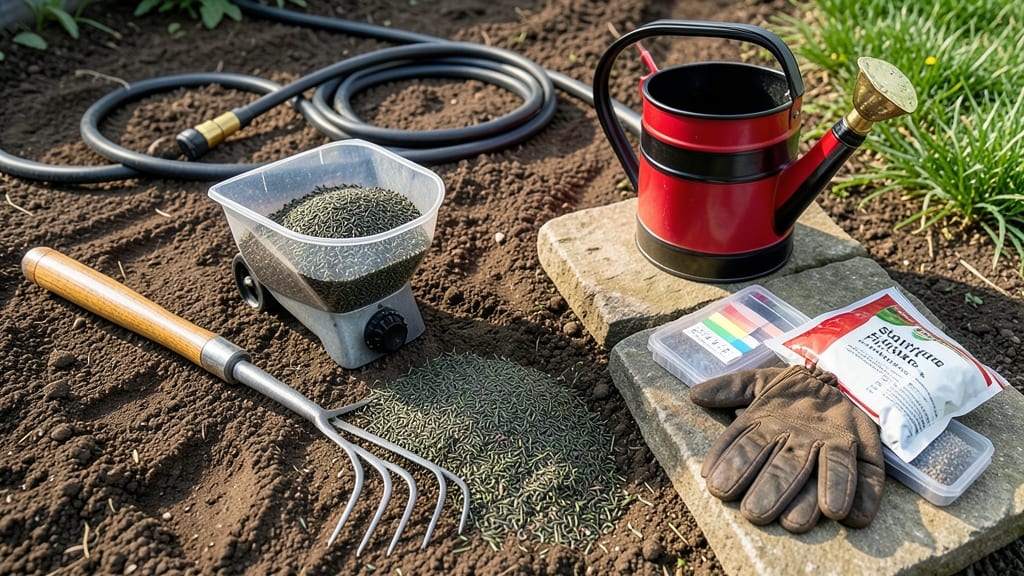
If you're dreaming of a lush, green lawn in Maryland, timing your grass seed planting is the key to avoiding disappointment.
The best time to plant grass seed in Maryland isn't just about the calendar—it's about beating the state's unpredictable weather and giving your 🌱 new grass the fighting chance it needs to thrive.
Maryland's 6b-7a climate throws curveballs with sudden heatwaves or early frosts, making spring and fall your golden windows. But here's the catch: early spring planting risks drought stress, while late fall runs the gamble of winter's icy grip.
I'll show you exactly how to navigate these tricky months for maximum success.
Let's cut through the guesswork with data-driven timing that accounts for Maryland's unique microclimates. Whether you're dealing with clay-heavy soils or humidity that loves to play spoiler, these insights will help you choose between cool-season grasses that love fall's crisp air or warm-season varieties that crave spring's warmth.
You'll discover the exact planting windows that give your grass deep roots before summer's brutal heat or winter's chill sets in. Plus, I'll share pro tips to avoid common pitfalls that turn promising lawns into patchy disappointments. Ready to transform your yard into the envy of the neighborhood?
Maryland’s optimal grass-seeding windows: spring vs fall climate breakdown
Maryland’s cool, humid summers and chilly winters create a unique challenge for lawn lovers. The best times to plant grass seed—early spring or late fall—align with the state’s USDA zones 6b-7a, where soil temperatures and rainfall play critical roles in germination success.
Cool-season grasses like tall fescue and Kentucky bluegrass dominate Maryland lawns because they thrive in moderate temperatures (50°F–75°F). Warm-season grasses like Bermuda or Zoysia struggle in Maryland’s cooler winters, making them less ideal for most homeowners.
Here’s the key difference: Spring planting (March–April) gives seeds a head start before summer heat, while fall planting (September–October) lets grass establish deep roots before winter dormancy. Both windows avoid Maryland’s extreme heat and drought stress.
🌱
Maryland’s western regions (like Frederick County) often see earlier springs than the Eastern Shore, where cooler maritime air delays soil warming. Use a soil thermometer to confirm temps are consistently above 50°F before planting in spring.
For fall planting, aim for 6–8 weeks before first frost (typically mid-October in most of Maryland). This gives seeds time to germinate and develop 3–4 inches of roots before winter dormancy. Avoid planting after mid-October, as cooler temps slow growth and increase frost risk.
If you’re in Baltimore or Annapolis, where humidity spikes in late summer, consider late August as a buffer month for fall planting. The extra time reduces fungal risks like brown patch disease, which thrives in warm, moist conditions.
Pro tip: Test your soil’s pH (ideal range: 6.0–7.0) before planting. Maryland’s clay-heavy soils often need gypsum or compost to improve drainage and aeration. A simple $20 soil test kit from your local garden center saves headaches later.
🌿
Critical factors that determine success: soil temps, rainfall, and Maryland’s unique zones
Maryland’s USDA zones 6b-7a create a delicate balance between warm spring days and cool fall nights—both prime for grass seed germination. But without understanding soil temperature triggers and rainfall patterns, your seed might sprout too fast or struggle to establish roots.
Let’s break down the science behind Maryland’s perfect planting conditions.
First, your soil temperature must stay between 55°F and 75°F for consistent germination. In Maryland, this window typically opens in early April and closes by mid-October. Use a soil thermometer to verify—cold soil delays growth, while scorching heat can bake seeds before they sprout.
My pro tip? Plant when morning soil temps hover around 60°F for reliable results.
| Factor | Maryland Ideal Range | Why It Matters |
|---|---|---|
| Soil Temperature | 55°F–75°F | Triggers germination without stressing seedlings. |
| Rainfall | 1–1.5 inches/week | Keeps soil moist but prevents fungal growth. |
| USDA Zone | 6b–7a | Determines frost-free window for planting. |
| Humidity | 40–60% | Balances moisture without promoting disease. |
Don’t overlook Maryland’s microclimates. Coastal areas like Annapolis stay milder longer, while inland zones like Frederick experience earlier frosts. Check your last frost date (typically April 15) and plan to seed 4–6 weeks before to give roots time to anchor.
Pro move: Test your soil’s pH (6.0–7.0 ideal)—Maryland’s clay-heavy soils often need lime or sulfur adjustments for optimal growth.
Rainfall is another wild card. Maryland’s spring showers can over-saturate soil, while summer droughts dry out seedlings. Aim for 1–1.5 inches of water weekly, delivered in morning sessions to reduce evaporation.
If nature skips a week, supplement with a light sprinkle—but avoid heavy watering, which can dislodge seeds or cause fungal issues like brown patch disease.
For cool-season grasses (like tall fescue or Kentucky bluegrass), focus on September planting when daytime temps drop to 75°F but nights stay above 50°F. Warm-season grasses (Bermuda or Zoysia) need late spring warmth—wait until soil temps hit 65°F+ consistently.
My trick? Plant warm-season seed in May and cool-season seed in early September to align with Maryland’s natural rhythms.
Finally, watch for unpredictable weather shifts. Maryland’s late spring heatwaves or early fall storms can derail germination. Use a lightweight straw mulch (not thick layers) to retain moisture without smothering seeds. And if a 3-day heatwave hits, provide shade cloth to protect tender sprouts until they root deeper.
Timing isn’t just about the calendar—it’s about reading Maryland’s soil, sky, and seasons. Master these factors, and your grass seed will thrive year-round. 🌱