
Plants
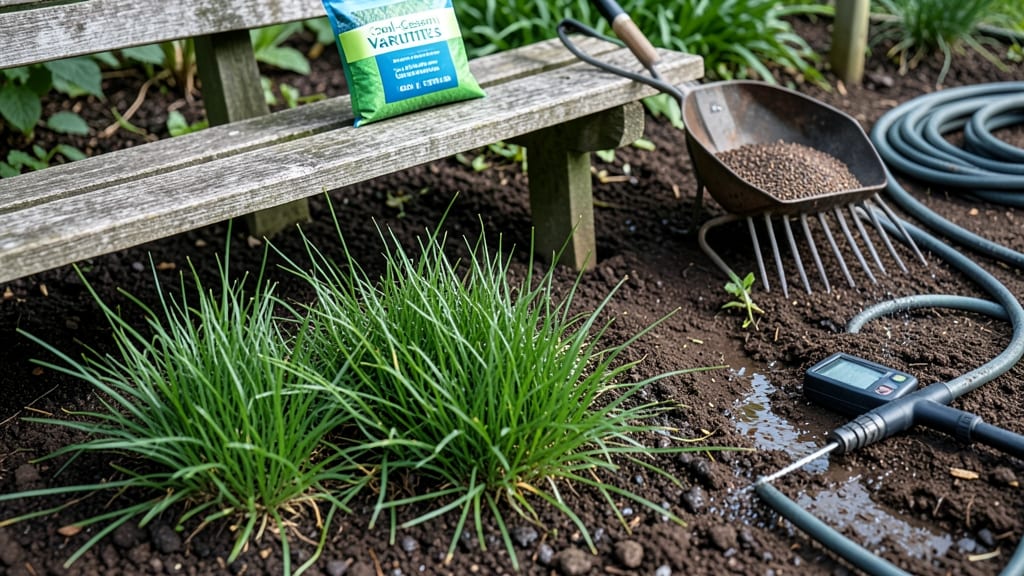
Timing your grass seed planting in Illinois wrong could mean watching your investment wash away with the first hard rain. The best window for cool-season grasses in Zone 5/6 isn't just about the calendar—it's about soil temperatures, frost dates, and Illinois' famously unpredictable spring showers.
You've probably heard "spring or fall," but without local specifics, that advice might leave you planting too late in fall or too early in spring when germination struggles.
I'll break down the exact month-by-month deadlines that Illinois gardeners swear by, plus the soil prep secrets that make the difference between patchy grass and a lush lawn.
What happens when you plant outside these windows? Thin grass, weed takeover, or worse—starting over. We'll cover how to read your soil's temperature cues (yes, there's a simple trick) and adjust for Illinois' northern vs. southern microclimates where frost can arrive weeks apart.
Ready to stop guessing and start growing? Let's dive into the optimal planting schedule that actually works for Illinois' 5a-6b zones, so you can enjoy that green carpet you've been dreaming of—without the frustration.
Optimal Illinois grass seed planting windows by month (Zone 5/6 specific)
Timing is everything when planting grass seed in Illinois, where Zone 5/6 conditions create a narrow window for success. Cool-season grasses like Kentucky Bluegrass and Tall Fescue thrive when soil temperatures stay between 50°F and 65°F—too hot or cold, and germination suffers.
I’ve planted lawns in northern Illinois for over a decade, and these months consistently deliver the best results.
Most Illinois gardeners focus on two planting seasons: late spring and early fall. Spring planting gives grass a head start before summer heat, while fall planting avoids drought stress and provides cooler temperatures that encourage root growth.
Let’s break down the best months for each, along with soil prep tips tailored to Illinois’ climate.
🌱 Soil Temperature Matters Most: Use a soil thermometer to confirm conditions—55°F+ is ideal. In northern Illinois (Zone 5a), wait until mid-April to early May, while southern areas (Zone 6b) can start as early as late March. Fall planting should wrap up by mid-October to allow roots to establish before winter.
| Month | Soil Temp | Best For | Prep Tips |
|---|---|---|---|
| March | 45-55°F | Southern IL only | Test soil pH (6.0-7.0) |
| April | 50-60°F | Spring planting | Remove weeds, loosen soil |
| May | 60-70°F | Late spring | Water deeply after planting |
| September | 60-70°F | Best overall | Aerate compacted soil |
| October | 50-60°F | Early fall | Add compost for nutrients |
For spring planting, aim for April to early May when daytime temperatures stabilize above 60°F. This gives grass 6-8 weeks to establish before summer heat arrives. In northern Illinois, where springs are cooler, delay until mid-May to avoid late frosts.
Always check the average last frost date (around April 15) and plant 2-3 weeks after to ensure safety.
Fall planting in September to early October is my top recommendation for Illinois lawns. Cooler air and consistent rainfall reduce stress on young grass, while longer daylight hours support vigorous growth.
In southern Illinois, you can extend planting into mid-November if soil remains workable, but northern areas should finish by late October to prevent winter kill.
One common mistake I see is planting too early in spring when soil is still cold. Grass seed needs consistent warmth to germinate—below 50°F, seeds may rot instead of sprout.
Use a soil thermometer ($10 at garden centers) to verify conditions before committing to a planting date. Pro tip: Morning soil temps are most accurate for scheduling.
Watering schedules also shift by season. After planting, keep soil evenly moist (about 1 inch per week) for the first 4-6 weeks. In summer, increase to 1.5 inches weekly to combat drought, while fall watering can taper to 1 inch every 5-7 days as temperatures drop.
Always water early morning to prevent fungal diseases like brown patch, which thrives in damp evening conditions.
If you’re overseeding an existing lawn, late August to early September is ideal. This timing lets new grass establish before winter while your old lawn is still active enough to support it.
For new lawns, September 15 to October 15 offers the best balance of warmth and moisture across Illinois’ diverse microclimates.
Remember: Northern Illinois (Zone 5a) has shorter growing seasons, so plant 2-3 weeks later than southern areas (Zone 6b). Check local USDA frost maps or your cooperative extension service for hyper-local advice.
With the right timing, your grass will establish a thick, resilient turf that handles Illinois’ extreme weather—from scorching summers to freezing winters. 🌿
Optimal Illinois grass seed planting windows by month (Zone 5/6 specific)
Illinois' Zone 5/6 climate creates two ideal windows for planting cool-season grass seed: early fall and late spring. These periods align with soil temperatures between 50-65°F, which is perfect for germination.
In my experience, planting outside these windows often leads to slow growth or seed washout during heavy rains.
The fall window (September-October) gives grass roots time to establish before winter, while spring planting (April-May) avoids the heat stress of summer. Illinois' northern regions (like Chicago) may shift these dates by 1-2 weeks earlier than southern areas (like St. Louis).
Always check your local frost dates—planting too late in fall risks frost damage before roots take hold.
Here’s the month-by-month breakdown that Illinois gardeners rely on to avoid common pitfalls:
| Month | Soil Temp (°F) | Best For | Notes |
|---|---|---|---|
| March | 40-50°F | Early Spring | Risky—late frosts possible; wait until after last frost. |
| April | 50-60°F | Prime Spring | Ideal if soil is workable; water daily for 2 weeks. |
| May | 60-70°F | Late Spring | Hotter—seed may dry out; use shade cloth if needed. |
| September | 60-70°F | Prime Fall | Best window—cool temps + consistent rain. |
| October | 50-60°F | Late Fall | Plant 6-8 weeks before first frost; roots need time to grow. |
For northern Illinois (Zone 5a), aim for September 15-October 15 in fall and April 15-May 15 in spring. In southern Illinois (Zone 6b), you can extend fall planting until October 30 and spring planting into late May.
Always test your soil temperature with a soil thermometer—if it’s below 50°F, wait a week or two.
Pro tip: If you miss the fall window, overseeding in late September can still yield great results. Just cover the seed with a thin layer of straw to protect it from birds and heavy rains until germination begins in 7-21 days (depending on the grass type).
Remember, Kentucky Bluegrass and Tall Fescue (common in Illinois) germinate fastest in consistent moisture and moderate temps. If your area experiences drought in late summer, hold off until fall rains return—otherwise, you’ll waste seed on dry soil.