
Companion Plants
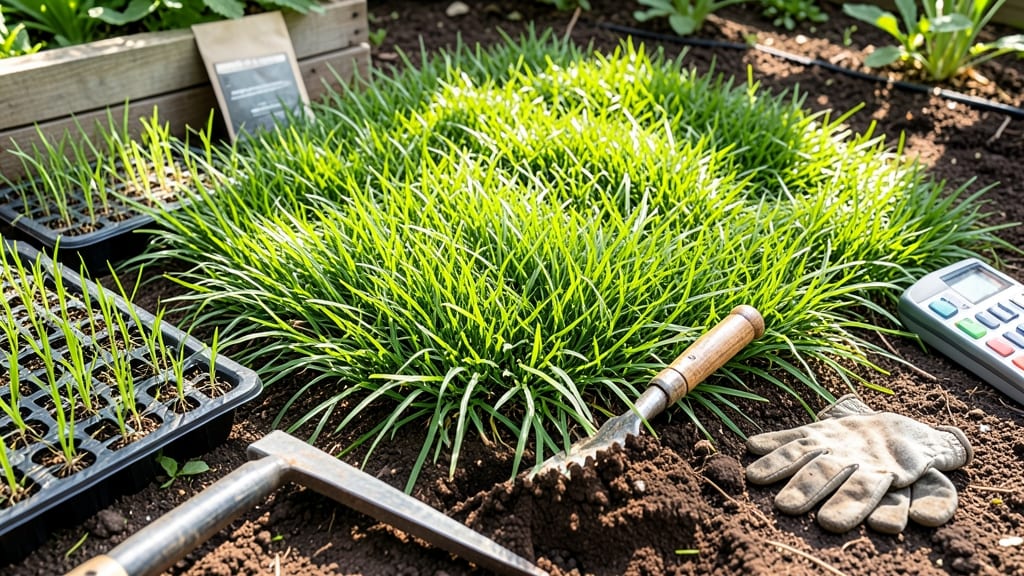
Planting your 🌱 Bermuda Grass seed in Texas at the wrong time can turn your dream of a vibrant lawn into a frustrating battle against heat and weeds.
Unlike other grasses, Bermuda thrives when the soil is warm—not just comfortable—but downright toasty, and getting that timing right is the key to avoiding slow starts or patchy coverage.
If you’ve ever wondered why your neighbor’s lawn looks lush while yours struggles, the answer likely lies in when they planted. Texas’s 8a-10b zones demand patience, but rushing too early (before soil hits 65°F) or waiting too late (after summer’s peak heat) can both backfire.
The sweet spot? Late spring to early summer, when temperatures are steady and the grass has the energy to take root.
In this guide, I’ll break down the exact months to plant in North, Central, and South Texas—plus the heat-resistant varieties that handle our brutal summers like a pro.
No more guessing games: just science-backed steps to ensure your Bermuda grass germinates fast, grows thick, and stays green even when the mercury soars.
Ready to skip the trial-and-error? Let’s dive into the perfect planting window, soil prep secrets, and the top varieties that’ll make your lawn the envy of the block—no matter how hot it gets.
Best months to plant Bermuda grass seed in Texas (by region)
Texas’s diverse climate means planting times vary drastically from North to South.
In North Texas (USDA Zones 7b-8a), wait until mid-April to late May after the last frost (typically February 15) and soil warms to 70°F+. Central Texas (Zones 8a-8b) can start as early as late March, while South Texas (Zones 8b-10a) often sees ideal conditions by February.
Bermuda grass thrives in heat and drought, but planting too early risks frost damage or slow germination. Aim for soil temperatures above 65°F—use a soil thermometer to confirm. June and July are the safest months across all regions, offering consistent warmth and minimal frost risk.
The key window for most Texans is late spring to early summer (April–June). South Texas can extend this to March–July, while North Texas may need to wait until May–June to avoid late frost surprises.
Here’s how to align planting with Texas’s three distinct regions:
| Region | Last Frost Date | Ideal Planting Window | Soil Temp Threshold | Notes |
|---|---|---|---|---|
| North Texas (7b-8a) | February 15 | Mid-April to Late May | 70°F+ | Wait for consistent warmth; avoid early planting. |
| Central Texas (8a-8b) | March 15 | Late March to June | 68°F+ | Faster germination; monitor for late frosts. |
| South Texas (8b-10a) | January 15 | February to July | 65°F+ | Longer growing season; avoid summer planting due to heat stress. |
If you plant in early spring (March–April), prioritize shade protection for seedlings until soil warms. Late spring (May–June) is ideal for most Texans—seedlings establish quickly before summer’s peak heat. Summer planting (July–August) is risky unless you’re in South Texas, where established sod is often a better option.
For North Texas gardeners, I recommend waiting until May to ensure soil stays warm. In Central Texas, late April is safe, but monitor nighttime temperatures—drops below 55°F can stall growth. South Texas offers flexibility, but avoid August planting due to intense heat and drought stress.
Pro tip: Use a soil thermometer to confirm readiness. 65°F+ at 2-inch depth signals it’s time to plant. If temps dip, cover seeds with straw to retain warmth until germination.
Bermuda grass is aggressive and fast-growing, but timing directly impacts how quickly it fills in. Planting at the wrong time can lead to patchy growth or weed competition.
For example, planting in September risks fall frosts in North Texas, while July planting in South Texas may struggle with water scarcity.
Remember: Bermuda grass is a warm-season grass, meaning it goes dormant in winter. Planting too late in the season won’t give it enough time to establish before cooler temps arrive. Aim for 6–8 weeks of warm weather after planting to ensure strong roots before winter.
For fastest results, choose early June planting in most of Texas. This gives seedlings 3–4 months of ideal growing conditions before fall’s first frost. Pair this with proper soil prep (loamy, well-draining soil with pH 6.0–7.5) and consistent watering to maximize success.
Best months to plant Bermuda grass seed in Texas (by region)
Texas’s diverse climate zones mean your Bermuda grass planting window depends heavily on where you live. North Texas gardeners face late frosts into March, while South Texas enjoys year-round warmth.
The golden rule? Wait until soil temperatures hit at least 65°F—cold soil kills germination before it starts. For most Texans, this means late April to early June is ideal.
Central Texas (Austin, San Antonio) has the most flexible timeline, with safe planting from mid-April through June. North Texas (Dallas, Fort Worth) should delay until late May to avoid frost surprises.
South Texas (Houston, Corpus Christi) can even plant as late as July, though summer heat demands extra watering. Always check your last frost date—planting too early risks seed rot.
Soil temperature is your best friend. Use a soil thermometer ($10 at garden centers) to confirm readiness. If it’s below 65°F, wait—even if your neighbor’s grass is sprouting. Bermuda grass seed won’t germinate in cool soil, no matter how much you water. Patience here saves months of frustration later.
🌱
Don’t assume May is perfect for everyone. West Texas’s dry heat often requires planting earlier (May) to establish roots before July’s scorching temperatures. Meanwhile, East Texas’s humidity can make late June planting risky—fungal diseases thrive in hot, damp soil.
Always adjust for your local microclimate, like shade patterns or urban heat islands.
Pro tip: Test your soil’s moisture before planting. Stick a screwdriver into the ground—if it’s dry at 3 inches deep, your soil’s ready. If it’s soggy, wait another week. Bermuda grass seed needs consistent moisture but hates waterlogged conditions.
Aim for 1 inch of water per week once sprouted, delivered in early morning to prevent evaporation.
Timing your first mowing matters too. Wait until your grass reaches 3-4 inches tall—this ensures deep root growth. Mowing too soon weakens the plant, leaving it vulnerable to Texas heat stress and weeds. June is ideal for most regions, but South Texas might delay until July.