
Plants
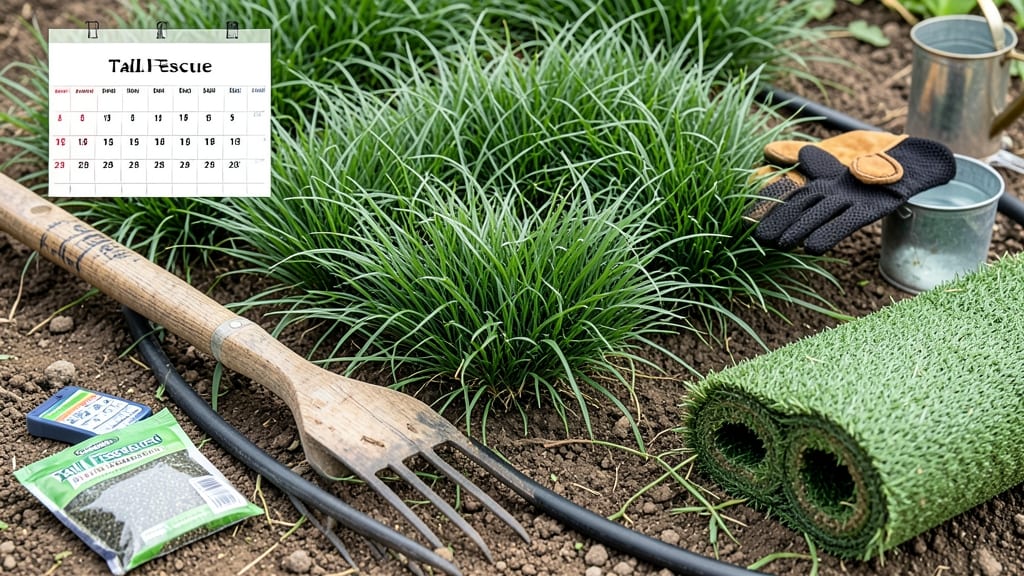
Timing your grass planting in Georgia can make or break your lawn’s success—plant too early, and frost might kill your efforts; too late, and summer heat could stress your new 🌱 grass before it takes root.
The key to a thick, vibrant lawn lies in understanding Georgia’s unique climate zones and soil conditions.
Most gardeners swear by fall planting (late August to early October) when soil temperatures hover between 60-75°F, giving grass roots time to establish before winter. But spring (March to early April) is also a solid option, especially for warm-season varieties like Bermuda or Zoysia.
The difference between these seasons can mean the difference between a lawn that thrives and one that struggles.
If you’re in USDA Zone 7a-8b, like most of Georgia, you’ll want to avoid planting when frost is still a threat or when summer’s scorching heat dries out the soil too quickly.
I’ll walk you through the exact windows, soil prep tips, and how to adjust for your specific region—whether you’re in the cooler North Georgia mountains or the warmer South Georgia plains.
Ready to skip the guesswork and plant your grass at the perfect time? Let’s dive into the science-backed strategies that’ll help your lawn grow lush and strong from day one.
Georgia’s ideal grass planting windows by season: soil temperature & frost-free zones
Georgia’s humid subtropical climate means timing your grass planting is critical—too early and frost can kill seedlings, too late and summer heat stresses young roots. The perfect window depends on your USDA Zone (7a-8b) and whether you’re planting cool-season or warm-season grass.
For cool-season grasses (like tall fescue or Kentucky bluegrass), aim for late August to early October when soil temps hover between 60-75°F.
This gives roots time to establish before winter dormancy. Warm-season grasses (like Bermuda or Zoysia) thrive when planted in March to early April, once the last frost has passed.
North Georgia’s earlier frost dates (mid-November) mean you’ll want to plant cool-season grass by late September, while South Georgia’s longer growing season allows for planting until early October. Always check your local frost-free dates using the USDA Plant Hardiness Zone Map or tools like Almanac’s Frost Calculator.
🌱
| Season | Ideal Months | Soil Temp (°F) | Grass Type | Key Tip |
|---|---|---|---|---|
| Fall | Late Aug - Early Oct | 60-75°F | Cool-season | Avoid planting after first frost (mid-Nov in North GA). |
| Spring | March - Early April | 60-75°F | Warm-season | Wait until last frost (mid-March in South GA). |
| Avoid | May - September | Above 80°F | All types | High temps cause seed desiccation and poor germination. |
To check your local soil temperature, use a soil thermometer or online tools like the Georgia Weather Network. For North Georgia (Zones 7a-7b), aim for late August planting—soil temps drop faster here. In South Georgia (Zones 8a-8b), you can push planting to early October safely.
If you miss the ideal window, late winter (February) is a second-best option for cool-season grasses, but germination rates drop significantly. Always test your soil pH (6.0-7.0) before planting—Georgia’s clay-heavy soils often need lime or sulfur adjustments for optimal growth.
Pro tip: Mulch newly seeded areas with straw to retain moisture and protect seedlings from late-summer heat or early-frost risks. This is especially critical in North Georgia’s cooler microclimates.
💧
Remember, warm-season grasses like Bermuda or Zoysia can also be planted in late spring (May) if you’re in South Georgia, but spring planting requires extra watering to combat summer drought. Always water deeply 2-3 times weekly during establishment.
Georgia’s ideal grass planting windows by season: soil temperature & frost-free zones
Georgia’s climate creates two prime windows for planting grass: late summer/fall and early spring. These periods align with soil temperatures between 60-75°F, which is ideal for seed germination and root establishment.
In North Georgia’s cooler zones (7a), aim for September-October planting, while South Georgia’s warmer zones (8b) can extend planting into early November without frost risk.
The key difference between seasons is how your grass type handles temperature shifts. Cool-season grasses like tall fescue or Kentucky bluegrass thrive when planted in fall, giving roots time to grow before winter dormancy.
Meanwhile, warm-season grasses such as Bermuda or Zoysia prefer spring planting (March-April) to avoid summer heat stress.
To pinpoint your exact planting window, check your USDA Hardiness Zone and local frost-free dates. Most of Georgia experiences its last frost around mid-March, while first frosts arrive in mid-November. Use tools like the USDA Plant Hardiness Map or your local Cooperative Extension Service for precise guidance.
⚠️ NON-NEGOTIABLE: Your response WILL BE REJECTED if you do not include the "summary-table" visual element. ⚠️
| Season | Best Months | Soil Temp (°F) | Grass Type | Key Consideration |
|---|---|---|---|---|
| Fall | Late August - Early October | 60-75°F | Cool-season (Fescue, Bluegrass) | Establishes roots before winter |
| Spring | March - Early April | 60-75°F | Warm-season (Bermuda, Zoysia) | Avoids summer heat stress |
| Avoid | Mid-April - August | Above 80°F | All types | High evaporation, weed competition |
For example, if you’re in Athens (Zone 8a), your ideal fall window is late August to early October, while Savannah (Zone 8b) can push planting into early November.
Always verify with your local frost-free date—planting too early risks frost damage, while waiting too long may mean summer’s heat dries out your seed before germination.
Pro tip: Use a soil thermometer (available at garden centers for ~$10) to confirm soil temps. Stick it 4 inches deep in the ground—this is where your grass roots will grow. If temps dip below 60°F, wait a few days or weeks before planting to avoid slow germination.
Remember, Georgia’s clay-heavy soils can retain moisture longer in fall, giving your new grass a head start. But if you’re in a sandy area (common in South Georgia), you may need to water more frequently to keep soil consistently moist during the critical first 2 weeks after planting.