
Watering
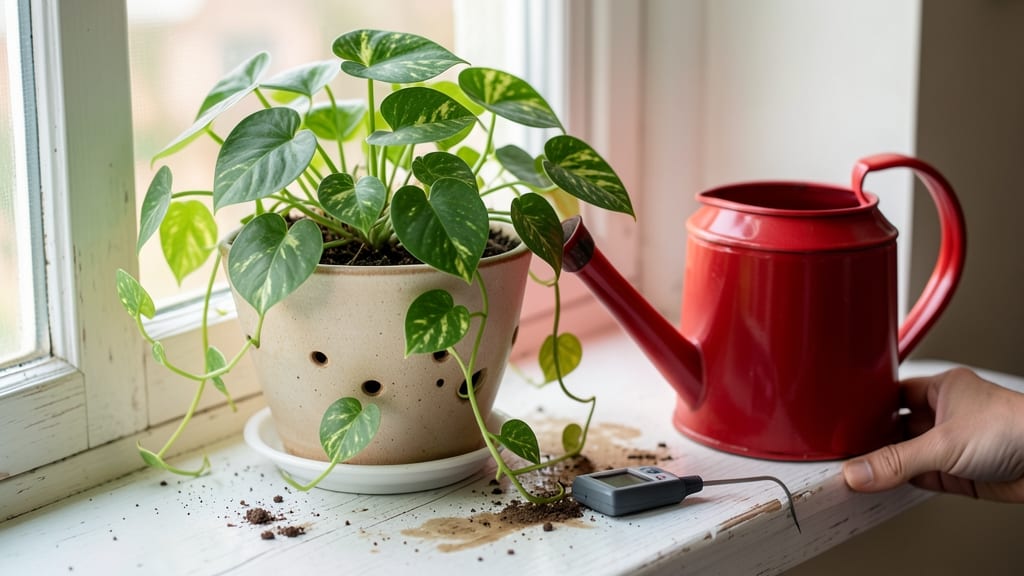
Money plant watering schedule by season: exact frequency & signs to watch
Your money plant (Epipremnum aureum) thrives on a consistent but flexible watering routine—one that changes with the seasons. Unlike cacti, this tropical vine doesn’t like drought, but it hates soggy roots. The key? Testing soil moisture before watering and adjusting for your local climate.
In humid regions, you’ll water less often than in dry indoor air. Let’s break it down by season so you can keep those lucky green leaves happy year-round.
First, grab a moisture meter or your finger—stick it 1 inch deep into the soil. If it feels dry, it’s time to water. If it’s still damp, wait 2-3 more days. This simple test prevents 90% of money plant watering mistakes.
Pro tip: Terracotta pots dry out faster than plastic, so adjust your schedule accordingly. Now, let’s dive into the seasonal breakdown that’ll have your plant thriving in every month.
| Season | Watering Frequency | Soil Moisture Test | Signs of Overwatering | Signs of Underwatering |
|---|---|---|---|---|
| Spring | Every 7 days | Top 1" dry | Yellow leaves, mushy stems | Drooping leaves, crispy edges |
| Summer | Every 5-7 days | Top 1-2" dry | Root rot, foul smell | Slow growth, dry soil cracks |
| Fall | Every 7-10 days | Top 1" dry | Stunted growth, wilting | Leaves curling inward |
| Winter | Every 10-14 days | Top 2" dry | Blackened stems, mold | Brittle leaves, slow recovery |
Notice how summer watering increases? That’s because higher temperatures and AC or heater dry out the air faster. In winter, your money plant enters a natural dormancy, so cut back on watering.
If your home has low humidity (common in winter), increase watering slightly—just check that topsoil first. A pebble tray under the pot can also help maintain moisture without overwatering.
Your money plant’s leaf color is a direct message about water. Bright green leaves mean you’re nailing it. Dark green with yellow edges? You’re overwatering. Pale or crispy leaves? Time to hydrate.
Pay attention to the weight of the pot too—a dry pot feels light, while a saturated one feels heavy. This quick visual check saves time and prevents root rot. Remember, morning watering is best—it gives excess moisture time to evaporate before nightfall.
Here’s a climate adjustment tip: If you live in a dry climate (like Arizona), water every 5-6 days in summer. In humid areas (like Florida), stretch it to 7-10 days. The size of your pot matters too—a 6-inch pot dries faster than a 12-inch one.
For large mature plants, water until you see excess drain from the bottom, but never let it sit in water. Always empty the saucer after 10 minutes to prevent root suffocation.
One of my biggest money plant lessons came from a winter overwatering mistake. I kept watering on schedule, but the plant’s growth slowed dramatically. After checking, I realized the soil stayed damp for weeks—a classic sign of root rot.
The fix? I repotted it in fresh, chunky soil with perlite and cut watering in half. Within weeks, new growth emerged. This teaches me to always adjust for seasons, not just stick to a rigid schedule.
For new money plant owners, start with a small pot—it’s easier to monitor moisture levels. As your plant grows, upgrade to larger containers, but always ensure they have drainage holes. A well-draining mix of potting soil, perlite, and orchid bark (50/30/
Money plant watering schedule by season: exact frequency & signs to watch
Your money plant thrives on a consistent but flexible watering routine that changes with the seasons. Unlike outdoor plants, this tropical vine doesn't follow a strict calendar—it responds to soil moisture, humidity levels, and temperature shifts.
I’ve learned the hard way that skipping this seasonal adjustment leads to either root rot or crispy brown edges. Let’s break down the exact watering schedule by season to keep your plant lush and growing.
First, always check the top 1-2 inches of soil before watering. Stick your finger in—if it feels dry, it’s time. If damp, wait another day. This simple test prevents 90% of watering mistakes. For humid climates, you’ll water less frequently than in dry indoor air.
My money plant in the bathroom (higher humidity) needs water every 10-14 days in winter, while the one near the heater dries out in 5-7 days.
During spring, your money plant wakes up from dormancy and craves regular hydration. Water deeply until you see excess water drain from the pot’s bottom. In summer, increase frequency but reduce water volume—hot air dries soil faster.
Always water in the morning to prevent fungal growth from overnight moisture. I’ve seen money plants develop brown tips when watered at night, so timing matters just as much as amount.
Fall signals a slowdown in growth, so you can space out waterings. Let the soil dry more between sessions. In winter, reduce watering by half—most money plants enter a dormant phase. Overwatering now is a fast track to root rot.
Place your plant near a window with bright indirect light to maintain some activity, even if growth pauses. My winter-care tip? Group plants together to boost humidity naturally.
Pro tip: Use room-temperature water to avoid shocking the roots. Cold water from the tap can stress your money plant, especially in cooler months. If your leaves start curling or drooping, it’s often a sign of underwatering—but if they’re yellow and mushy, you’re overdoing it.
Adjust based on these visual cues, and your plant will reward you with glossy, healthy leaves all year round. 🌿