
Plants
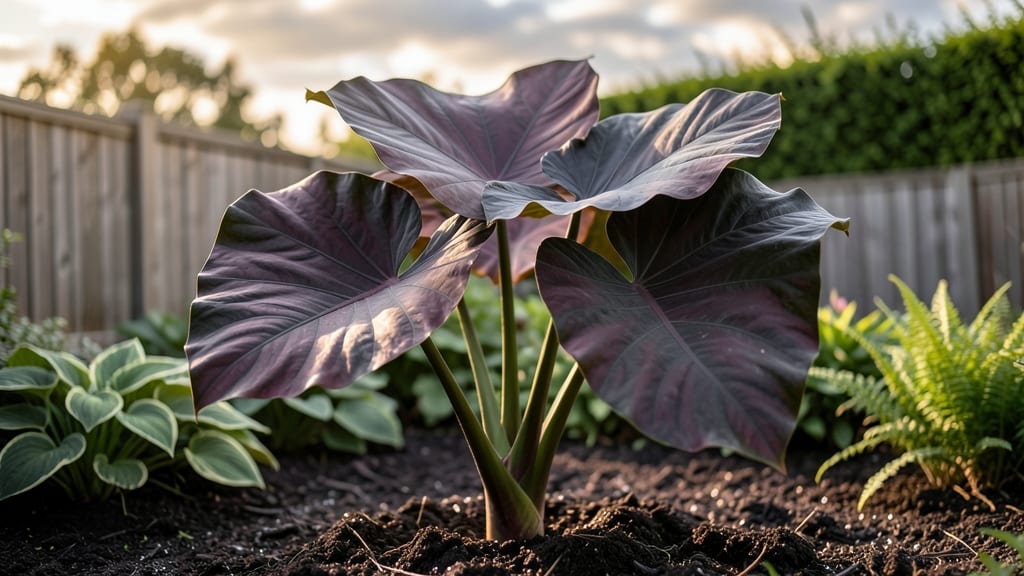
Wondering how tall does an elephant ear plant grow before it becomes a space hog? These tropical stunners can reach heights that’ll make your garden feel like a jungle—some varieties even towering over 6 feet!
Whether you're dreaming of bold foliage for your backyard or a cozy balcony, knowing their growth habits helps you pick the perfect fit for your space.
The Elephant Ear 🌿 (genus Colocasia or Alocasia) comes in sizes that’ll surprise you—from compact 1-2 foot dwarfs to giant varieties that stretch toward the sky.
In USDA Zone 6a, most mature plants hit 4-6 feet by their second year, but with the right care (or a little pruning), you can keep them in check. Let’s break down the varieties and tips to manage their impressive height.
What makes these plants grow so fast? It’s all about sunlight, soil, and water—give them partial shade and rich, moist soil, and they’ll thrive. But if your space is limited, don’t worry!
We’ll show you how to control their growth so they stay lush without taking over. Ready to turn your garden into a tropical oasis—without the overgrowth?
From choosing the right variety for your yard to simple tricks to keep them manageable, this guide covers everything you need to know. Whether you’re a seasoned gardener or just starting out, you’ll learn how to enjoy these stunning plants without the space struggles. Let’s get growing!

Elephant ear plant height by variety: from compact to towering giants
Elephant ear plants—belonging to the Colocasia and Alocasia genera—come in a stunning range of heights, from dwarf varieties perfect for small spaces to giant tropical giants that command attention.
If you're wondering, "how tall does an elephant ear plant grow?" the answer depends entirely on the variety you choose. For example, Colocasia 'Blue Java' typically reaches 3-4 feet, while 'Black Magic' can soar to 5-6 feet or more.
The key to selecting the right variety lies in understanding their mature sizes. Dwarf varieties like 'Pink China' stay cozy at 1-2 feet, making them ideal for containers or window boxes.
On the other hand, standard varieties like 'Illustris' or 'White Queen' can easily reach 4-6 feet, perfect for garden borders or as dramatic focal points. Even Alocasia species, like 'Polly', can grow 3-5 feet tall, though their striking foliage often steals the show.
Here’s the catch: elephant ears grow fast—often gaining 1-2 feet per season under ideal conditions. In USDA Zone 6a, where I garden, most varieties hit their mature height by their second year. But with the right care (or a little pruning), you can influence their growth trajectory.
For instance, container-grown plants may stay shorter due to root restriction, while those planted in rich, well-draining soil with plenty of moisture can stretch toward the sky.
If you're visualizing your garden layout, think about spatial relationships. A 6-foot-tall elephant ear next to a 3-foot-tall shrub creates a layered, tropical feel. Meanwhile, a 2-foot dwarf variety adds texture without overwhelming smaller gardens.
The secret? Match the plant to its surroundings—whether that’s a backyard jungle or a balcony oasis.
Now, let’s dive into the specifics with a quick comparison of popular varieties and their mature heights. This will help you pick the perfect fit for your space—whether you’re going for height, compact charm, or something in between.
| Variety | Mature Height | Best For | Notes |
|---|---|---|---|
| Colocasia 'Blue Java' | 3-4 ft | Borders, containers | Classic purple-black leaves; thrives in partial shade. |
| Colocasia 'Black Magic' | td style="padding: 12px; border-bottom: 1px solid #ffcc00;">5-6 ftFocal points, large gardens | Dramatic dark foliage; needs space to spread. | |
| Colocasia 'Pink China' | 1-2 ft | Containers, small spaces | Compact and colorful; great for window boxes. |
| Alocasia 'Polly' | 3-5 ft | Indoor/outdoor pots | Striking silver patterns; prefers humidity. |
| Colocasia 'Illustris' | 4-6 ft | Garden borders, tropical vibes | Classic green leaves; fast-growing. |
As you can see, the elephant ear plant height varies widely—from dwarf varieties that fit snugly in containers to towering giants that dominate garden beds. If you’re working with limited space, 'Pink China' or 'Blue Java' are excellent choices.
But if you’re aiming for a wow factor, 'Black Magic' or 'Illustris' will deliver.
One pro tip: Alocasia varieties like 'Polly' often grow taller indoors than outdoors because they stretch toward light sources. To prevent this, rotate your pot quarter-turns weekly and place it near a bright, east-facing window. This keeps their growth balanced and compact while still showcasing their stunning foliage.
Remember, these heights are general guidelines. With the right care—like rich soil, consistent moisture, and partial shade—your elephant ears can grow even taller. But if you’re concerned about overgrowth, we’ll cover pruning and container tips in the next section to keep them in check.
For now, pick your favorite variety and let the tropical vibes begin!
🌿
Factors that influence elephant ear plant growth height
Elephant ear plants grow at different rates based on three key factors: sunlight exposure, soil quality, and watering habits. Each of these can push your plant toward its maximum height or keep it compact.
For example, Blue Java thrives in partial shade but can stretch taller if exposed to too much sun, while Black Magic may stay shorter in cooler climates. Let’s break down how to optimize each factor for your space.
Sunlight is the biggest height influencer—too much scorches leaves, while too little slows growth. Partial shade (4-6 hours daily) is ideal, especially in hotter USDA Zone 6a summers. If your garden gets intense afternoon sun, consider dappled shade from trees or a sheer curtain.
Without proper light, your elephant ear might grow leggy and weak, reaching for sunlight but never reaching its full potential.
- Sunlight: 4-6 hours of partial shade prevents overgrowth. Avoid harsh afternoon sun to protect leaves.
- Soil: Rich, moist but well-draining soil fuels rapid growth. Amend with compost for nutrients.
- Water: Deep watering 2-3x weekly in summer keeps plants lush. Overwatering causes root rot, stunting height.
- Pruning: Trim yellow or damaged leaves to redirect energy. Cut back 1/3 of stems in spring for bushier growth.
- Fertilizer: Use balanced 10-10-10 in spring/summer. Over-fertilizing leads to weak stems.
Soil plays a critical role in height—poor drainage or nutrient-deficient soil will stunt growth. Elephant ears love moist, fertile soil with a pH of 6.0-7.0.
If your garden soil is heavy clay, mix in organic matter like compost or peat moss to improve aeration. Well-amended soil helps plants reach their mature height faster, while compacted soil can leave them struggling to grow beyond 2-3 feet.
Watering habits directly impact height—consistent moisture encourages rapid growth, while drought stress slows it down. In USDA Zone 6a, water deeply 2-3 times weekly during summer heat.
Let the top inch of soil dry between waterings to prevent root rot, which can kill your plant before it reaches its full potential. Morning watering is best to reduce fungal risks and keep leaves dry.
Pruning is your secret weapon for controlling height. Regularly removing dead or yellowing leaves redirects energy to healthier growth. In early spring, cut back 1/3 of the stems to encourage bushier, more compact growth.
This trick works especially well for taller varieties like 'Illustris', keeping them manageable even in small gardens. Just avoid heavy pruning in fall—let your plant store energy for next year’s growth.
Finally, climate matters. In cooler regions, elephant ears grow slower, often maxing out at 3-4 feet, while warmer zones see 5-6 foot giants. If you’re in Zone 6a, mulch heavily in winter to protect roots and encourage faster spring growth.
With the right conditions, your elephant ear can reach its full height potential—or stay compact if you prefer!