
Plants
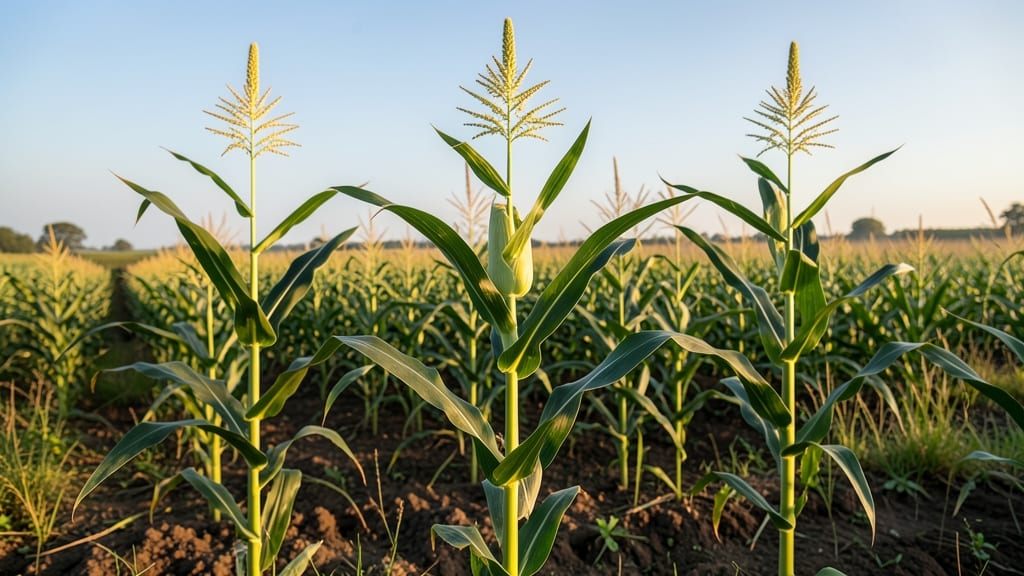
If you’ve ever wondered how tall a corn plant can grow, from compact backyard plots to towering fields that seem to touch the sky, you’re in the right place.
The height of corn can swing wildly, from dwarf varieties reaching just 3 feet to 10-foot giants that stretch toward the clouds, depending on the type and growing conditions.
Most backyard gardeners plant standard sweet corn varieties, which typically reach 6 to 8 feet at maturity. But here’s the catch: spacing, soil quality, and even sunlight play a huge role in how tall your corn will grow.
A crowded garden can stunt growth, while ideal conditions might push your stalks to their full potential—sometimes even taller than expected!
In this guide, I’ll break down the exact height ranges for popular corn varieties, share spacing tips to avoid overcrowding, and reveal how to encourage healthy growth without chemicals.
Whether you’re working with a small container garden or a sprawling backyard plot, you’ll learn how to maximize your harvest while keeping your corn plants happy and strong.
Ready to transform your garden into a cornfield? Let’s dive into the details so you can plan your planting strategy with confidence—and maybe even impress your neighbors with those sky-high stalks!

Corn plant height by variety: from dwarf to giant stalks
Corn plants can range from 3-foot dwarfs to 12-foot giants, making variety selection your first decision when planning your garden. The height of your corn directly impacts spacing, support needs, and even harvest accessibility.
Let’s explore the most common types and their mature heights to help you choose the perfect fit for your space.
Most home gardeners grow sweet corn varieties, which typically reach 6 to 10 feet tall. These are the classic stalks you’d recognize at a farmers' market, perfect for fresh eating or canning.
However, if you’re short on space or gardening in containers, dwarf corn varieties like 'Little and Tender' or 'Golden Bantam' stay between 3 and 5 feet, making them ideal for small gardens or urban balconies.
Field corn and popcorn varieties often grow taller, sometimes exceeding 10 feet, with some reaching up to 12 feet. These taller varieties need more space and sturdy supports to prevent lodging (falling over). Understanding these differences will help you avoid overcrowding and ensure healthy growth.
🌽
| Variety Type | Common Varieties | Mature Height | Best For | Notes |
|---|---|---|---|---|
| Dwarf Sweet Corn | Little and Tender, Golden Bantam, Tom Thumb | 3-5 ft | Containers, small gardens, urban farming | Early maturing, great for kids to harvest |
| Standard Sweet Corn | Silver Queen, Country Gentleman, Honey & Pearl | 6-10 ft | Home gardens, fresh eating, canning | Most common type; needs proper spacing |
| Semi-Dwarf Sweet Corn | Bodacious, Peaches and Cream, Ambassadror | 5-7 ft | Small spaces, tight rows, high yields | Balanced height for productivity |
| Field Corn | Country Gentleman (flint), Mo17 | 8-12 ft | Animal feed, large farms, heirloom gardens | Tallest variety; requires strong support |
| Popcorn | Golden Midget, Tom Thumb (popcorn type), Stowell’s Evergreen | 4-8 ft | Popcorn lovers, small gardens | Dwarf varieties available; harvest when kernels are dry |
When selecting a variety, consider your garden layout and harvest goals. Taller corn varieties like field corn may produce more ears but require 36-inch rows and sturdy supports.
In contrast, dwarf varieties like 'Golden Bantam' can be planted just 12 inches apart, making them perfect for container gardening or small plots.
Another factor to watch is the growth rate. Dwarf varieties mature faster (often in 60-70 days), while taller sweet corn may take 80-100 days to reach harvest. If you’re in a short growing season, prioritize early-maturing dwarf or semi-dwarf varieties to ensure a successful harvest.
For visual reference, imagine a 6-foot corn plant standing next to an average adult—it will easily reach their shoulders or chin. A 10-foot stalk, however, will tower over most gardeners, making ladder-assisted harvesting a necessity.
Always plan your garden layout with these heights in mind to avoid shading issues and ensure all plants receive adequate sunlight.
🌿
Pro tip: If you’re growing multiple corn varieties, plant the tallest types first along the north side of your garden. This prevents taller plants from shading shorter varieties, which need full sun to develop sweet ears. Strategic placement can maximize your yield while keeping your garden organized and accessible.
Finally, remember that soil quality and nutrients play a role in height. Well-amended soil with balanced fertilizer (like a 10-10-10 NPK mix) encourages strong stalk development, reducing the risk of lodging.
Pair your variety choice with proper soil prep, and you’ll be well on your way to a thriving corn patch!
Optimal spacing requirements for corn height and yield
Proper spacing between corn plants is critical to their height and overall health. Taller corn varieties like field corn (8-12 ft) need more room to avoid shading and ensure good air circulation, while dwarf varieties (3-5 ft) can be planted closer together.
Getting this right prevents lodging (stalks falling over) and maximizes your harvest.
For standard sweet corn (6-10 ft tall), the golden rule is 12-18 inches apart in rows spaced 30-36 inches apart. This spacing allows each plant enough room to develop strong stalks and ears without competing for sunlight or nutrients.
If you’re growing semi-dwarf varieties (5-7 ft), you can reduce spacing to 10-12 inches apart in rows 24-30 inches apart.
🌽
| Corn Height | Spacing Between Plants | Row Spacing | Plants per Foot | Best For |
|---|---|---|---|---|
| 3-5 ft (Dwarf) | 8-12 inches | 18-24 inches | 2-3 plants | Containers, small gardens |
| 5-7 ft (Semi-Dwarf) | 10-12 inches | 24-30 inches | 2 plants | Small spaces, high yields |
| 6-10 ft (Standard) | 12-18 inches | 30-36 inches | 1-2 plants | Home gardens, fresh eating |
| 8-12 ft (Field Corn) | 18-24 inches | 36 inches+ | 1 plant | Large farms, animal feed |
If you’re growing taller corn varieties (8+ ft), consider planting in blocks rather than single rows. This creates a windbreak effect and improves pollination, as corn relies on wind to transfer pollen from tassels to silks.
For example, a 3x3 foot block of standard sweet corn (with plants spaced 12 inches apart) will yield more ears than a single row.
Another key factor is soil fertility. Well-amended soil with plenty of organic matter helps corn grow taller without lodging. Before planting, mix in compost or aged manure to strengthen stalk development.
Avoid over-fertilizing with nitrogen, as this can lead to weak stalks that snap under the weight of heavy ears.
🌿 For urban gardeners or those with limited space, consider interplanting corn with shorter crops like beans or lettuce. Beans fix nitrogen in the soil, benefiting corn, while lettuce can grow in the shade of taller stalks until the corn is harvested.
This multi-layered approach maximizes your garden’s productivity without sacrificing yield.
Finally, always plant corn in full sun (6-8 hours daily). Shorter varieties may tolerate partial shade, but taller corn needs consistent sunlight to reach its full height and produce sweet, plump ears. If your garden has shaded spots, reserve them for dwarf or semi-dwarf varieties to avoid stunted growth.