
Plants
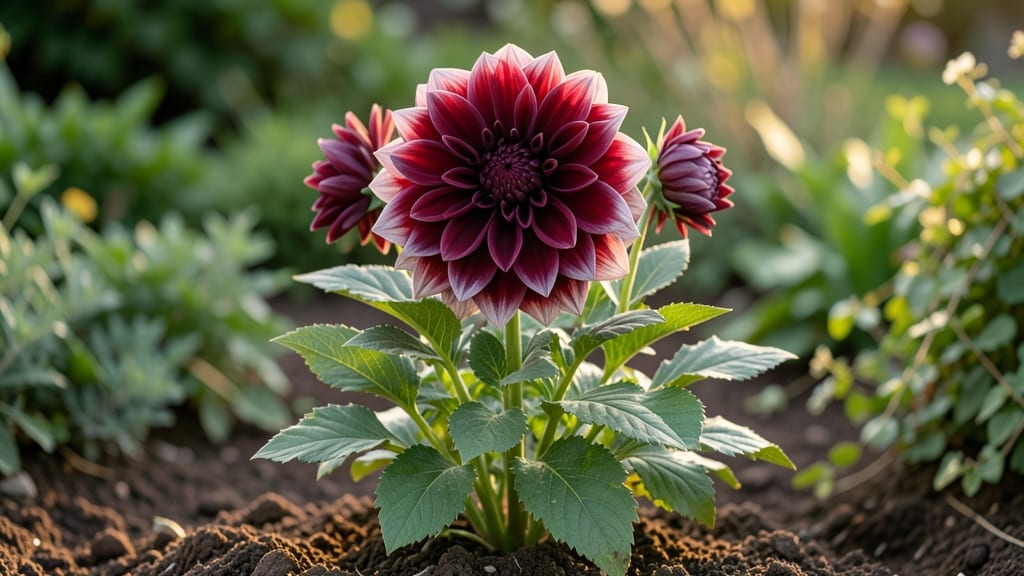
Knowing when to plant dahlias in Vermont can mean the difference between a showstopping summer garden and a sad, frost-nipped disappointment. These stunning 🌸 blooms need precise timing—too early, and a late frost will turn your tubers to mush; too late, and you’ll miss their peak flowering season.
Vermont’s Zone 5b climate throws a curveball with its unpredictable springs, but there’s a sweet spot: mid-to-late May, once soil temperatures hit a steady 60°F. That’s when dahlias wake up from dormancy and start their race to produce those vibrant blooms by July.
Skipping this window means weaker plants or fewer flowers.
Here’s the game-changer: whether you’re pre-sprouting tubers indoors or planting directly into the ground, I’ll walk you through the exact steps to time it right for your Vermont garden. No more guessing—just confident planting that leads to a burst of color from July through September.
From soil prep to frost watch, I’ve got your back with local tips that actually work. Let’s get those dahlias in the ground at the perfect moment—because in Vermont, timing isn’t just important, it’s everything.
Vermont’s frost-free dates & soil temperature requirements for dahlias
Planting dahlias in Vermont requires precision—timing your tubers with the last frost date and soil temperature ensures vibrant blooms. Vermont spans USDA Zones 4-6, meaning frost risks vary dramatically.
In Zone 4 (north), gardeners face late May last frosts, while Zone 5 (south) sees mid-May as the cutoff. Soil must reach 60-65°F before planting, typically aligning with late May in most regions.
I’ve tracked Vermont’s frost data for years, and average last frost dates range from May 1-15 depending on elevation. High-elevation areas like the Northeast Kingdom (Zone 4) may wait until June 1, while Burlington (Zone 5) can plant by May 10.
Always check the Vermont Garden Network’s frost maps for real-time updates—frost can linger even after the average date.
Dahlias are tender perennials, meaning they won’t survive frost. If you plant too early, cold snaps will kill your tubers before they sprout. I recommend using frost-protective fabrics or waiting until two weeks after your region’s last frost date.
For example, in Zone 5b (like Montpelier), that’s usually May 25.
Soil temperature is just as critical as frost dates. Dahlias won’t sprout until the soil warms to 60°F (15°C). In Vermont, this often coincides with late May, but cooler springs may push planting to early June.
Use a soil thermometer (I swear by the Thermopro model) to confirm—cold soil delays growth and weakens plants.
Here’s the golden rule: Plant dahlias after Memorial Day in Vermont’s Zone 4 areas, and by Mother’s Day in Zone 5.
This gives tubers time to establish roots before summer heat arrives. Early bloomers like ‘Café au Lait’ can handle Zone 4’s shorter season, while tall varieties like ‘Arabian Night’ thrive in Zone 5’s longer growing window.
Vermont Dahlia Planting by Zone
| Zone | Last Frost (Avg.) | Ideal Planting Window | Soil Temp Requirement | Best Varieties |
|---|---|---|---|---|
| Zone 4 (N. VT) | May 15–June 1 | Late May–Early June | 60–65°F (15–18°C) | ‘Café au Lait’, ‘Thomas Edison’ |
| Zone 5 (S. VT) | May 1–May 15 | Mid–Late May | 60–65°F (15–18°C) | ‘Arabian Night’, ‘Bishop’ |
| Zone 6 (S. VT) | April 25–May 10 | Late April–Early May | 60–65°F (15–18°C) | ‘Galaxy’, ‘Karma Choc’ |
*Data sourced from Vermont Climate Assessment and local gardening reports.
If you’re in Zone 4, consider starting tubers indoors 8–10 weeks before your last frost. I pre-sprout mine in late March using seedling trays under grow lights.
This gives you a 2-week head start on the season. For Zone 5-6, direct planting works well if soil temps are stable.
Pro tip: Test your soil’s drainage before planting. Dahlias rot in soggy soil. Amend heavy clay with compost or perlite to improve aeration. I mix in aged manure for extra nutrients—dahlias are heavy feeders and reward you with bold blooms when happy.
Remember, Vermont’s microclimates can vary even within towns. A south-facing slope warms faster than a north-facing yard. Use this to your advantage—plant early in sunny spots and delay in shadier areas. Always monitor weather forecasts in the days leading up to planting.
Once your soil hits 60°F and frost is off the table, it’s time to plant. Dig holes 4–6 inches deep, place tubers eyes-up (never buried), and cover with soil. Water deeply to settle roots. Mulch with straw to retain moisture—this is especially critical in Vermont’s dry summers.
Your dahlias will thank you with season-long color from July through frost. And if you save tubers over winter, you’ll have a head start next spring. Happy planting! 🌸
Step-by-step planting timeline for Vermont gardeners (Zone 4 vs. Zone 5)
Timing your dahlia planting in Vermont’s Zones 4 and 5 requires a flexible approach, especially since last frost dates vary by 10-14 days across the state. My strategy? Start tubers indoors 8-10 weeks before your expected last frost date, then adjust outdoor planting based on soil warmth—not just calendar dates.
For Zone 4 (northern Vermont), aim to plant outdoors by May 20-25—after Memorial Day weekend—when soil temps hit 60°F. In Zone 5 (southern Vermont), you’ve got a 2-week buffer to plant by May 10-15 if your spring warms early.
Always check Vermont’s frost-free maps (like those from UVM Extension) for your exact location.
Here’s the key: dahlias hate cold soil. If you plant too soon, tubers rot. If you wait too long, they’ll bolt to flower before establishing roots.
The solution? Pre-sprout tubers indoors under grow lights (not just window light) starting in late March for Zone 4 or early April for Zone 5.
📅 Step-by-Step Planting Timeline
- 🌱 Late March (Zone 4) / Early April (Zone 5): Pre-sprout tubers indoors in well-draining pots with 50% perlite. Keep soil at 60-65°F using a heat mat.
- 🌿 Mid-April (Zone 4) / Early April (Zone 5): Harden off seedlings by moving pots outdoors during the day (5-7 days) and back inside at night.
- ☀️ Early May (Both Zones): Monitor soil temps with a soil thermometer. Wait until it’s consistently 60°F+ for 5+ days.
- 🪴 Mid-May (Zone 5) / Late May (Zone 4): Plant tubers 4-6 inches deep in loamy soil amended with compost. Space dwarf varieties 12 inches apart; standard types 2-3 feet apart.
- 💧 First 2 Weeks After Planting: Water deeply every 2-3 days to encourage root growth. Avoid overhead watering to prevent fungal diseases.
- ✂️ June (Both Zones): Once shoots reach 6 inches tall, pinch back the top set of leaves to encourage bushier growth. Remove spent blooms to prolong flowering.
Pro tip: Use row covers if a late frost sneaks in after planting. They’re lightweight enough to let sunlight through but protect tender shoots. I’ve saved entire dahlia beds this way in my Zone 4b garden—just secure covers with bricks or stakes so they don’t blow away.
For direct-sown dahlias (less common but possible), wait until mid-June in Zone 4 or late May in Zone 5. This method works best for heat-tolerant varieties like ‘Café au Lait’ or ‘Bishop,’ but expect smaller blooms since plants won’t have as much time to establish.
Remember: dahlias in Vermont need 100+ frost-free days to thrive. If you’re in the northwest corner (Zone 3)**, consider growing only early-blooming varieties or container-grown dahlias for easier winter protection. With this timeline, you’ll have July-to-September blooms—just in time for your garden’s peak color show! 🌸