
Plants
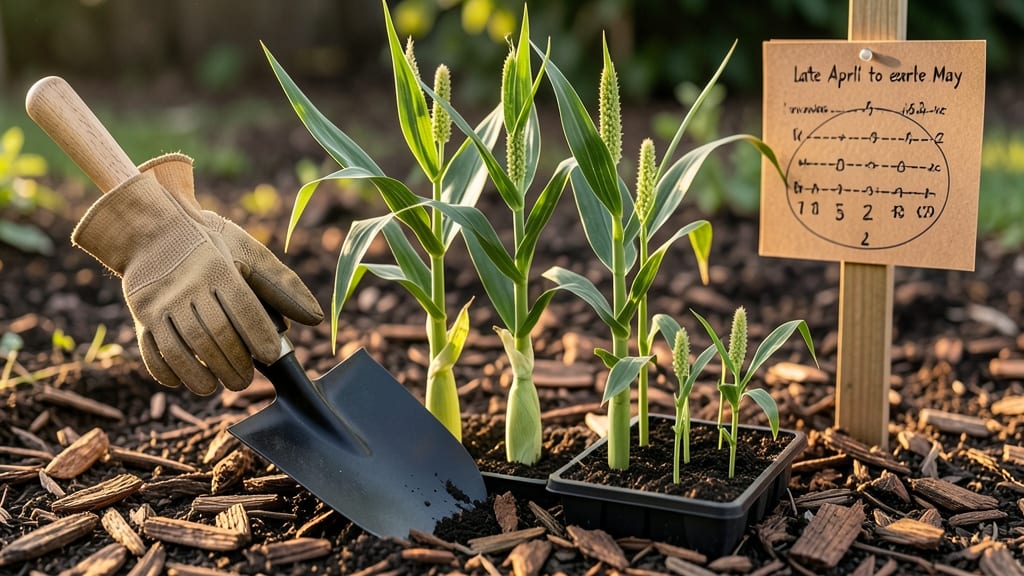
Planting corn in Tennessee at the wrong time can mean the difference between a bumper crop and wasted effort—especially when your 6a-7b zone spans everything from mountain valleys to the Tennessee Valley. Too early, and frost will nip tender seedlings; too late, and your 🌽 may never reach full maturity before summer fades. The good news? With the right timing and a few local tweaks, you can maximize yields even in Tennessee’s unpredictable spring.
Most gardeners in Tennessee aim to plant corn between mid-April and early June, but the exact window depends on where you live.
In cooler high-altitude areas like the Appalachians, you might need to wait until late April or even early May, while lowland regions like Nashville can start as early as late March if the soil is warm enough.
The key is soil temperature—corn needs at least 50°F to germinate, but 60°F+ speeds up growth and reduces frost risk.
Here’s what you need to know: regional microclimates, soil prep tricks, and how to adjust if Mother Nature throws a curveball. Whether you’re growing sweet corn for the table or field corn for livestock, getting the timing right is the most important step.
Let’s break down the zone-specific deadlines and strategies to ensure your corn thrives from seed to harvest.
From choosing the right variety for your zone to handling late frosts or droughts, this guide cuts through the guesswork. You’ll learn how to calculate your local frost-free date, when to use row covers, and which corn types perform best in Tennessee’s heat and humidity.
Ready to plant with confidence? Let’s get started.
Tennessee corn planting deadlines by USDA hardiness Zone (with soil temperature rules)
Tennessee spans USDA Zones 5a through 7b, creating a 3+ week difference in ideal corn planting times. In Zone 5a (e.g., East Tennessee mountains), corn should go in mid-April to early May, while Zone 7b (West Tennessee) gardeners can start as early as late March for early-maturing varieties.
The key? Soil temperature—corn seeds need at least 50°F to germinate, but 60°F+ ensures faster, more reliable sprouting.
Use a soil thermometer to confirm readiness. In high-altitude areas (e.g., Great Smoky Mountains), wait until after May 1 due to later frost risks. Valley regions like Memphis can plant 2 weeks earlier thanks to warmer microclimates.
Always check your local frost-free date—Tennessee’s ranges from mid-April in Zone 7b to late April in Zone 5a.
🌽 Tennessee Corn Planting Guide by Zone
| USDA Zone | Ideal Planting Window | Soil Temp Requirement | Last Frost Date | Notes |
|---|---|---|---|---|
| 5a (e.g., Knoxville) | Mid-April to early May | 60°F+ | Mid-April | High-altitude risk; use row covers |
| 6a (e.g., Nashville) | Late March to early April | 55°F+ | Late March | Standard timing; monitor for late frost |
| 6b (e.g., Chattanooga) | Early to mid-April | 58°F+ | Early April | Transition zone; test soil temp |
| 7a (e.g., Jackson) | Late March to early April | 55°F+ | Late March | Early varieties recommended |
| 7b (e.g., Memphis) | Late February to March | 50°F+ | Mid-February | Warmest zone; use black plastic for soil warming |
🌱 Pro Tip: For Zone 5a-6a, consider starter fertilizer to compensate for cooler soils.
For high-altitude gardens (e.g., 1,500+ feet elevation), delay planting until after May 1 to avoid late spring frosts. In valley regions, you can push planting to early June for succession planting of early-maturing varieties (e.g., ‘Early Sunglow’, 85-day harvest).
Always space plantings 2 weeks apart to stagger harvests and maximize yield.
Corn thrives on warmth and consistency, so avoid planting if nighttime temps drop below 50°F. Use black plastic mulch to warm soil 5-10°F faster in cooler zones. In Zone 7b, you can even try February plantings under row covers for a head start.
Just ensure 180+ frost-free days remain for full maturity—most Tennessee varieties need 75-120 days to harvest.
If you’re in doubt about timing, opt for bicolor sweet corn like ‘Peaches and Cream’, which tolerates heat and humidity better than white varieties. For Appalachian gardens, ‘Silver Queen’ (90 days) is a reliable choice.
Always check the seed packet for days to maturity and count backward from your average first frost date (typically mid-October in Tennessee).
For container growing, plant dwarf varieties like ‘Golden Bantam’ (70 days) and start 4-6 weeks earlier indoors under grow lights. Transplant seedlings when soil reaches 60°F and all frost risk has passed. Containers dry out faster, so water daily and
How to adjust planting dates for Tennessee’s unpredictable spring weather (frost, rain, drought)
Tennessee’s spring weather can be as unpredictable as a 🌿 garden in a thunderstorm—one day it’s warm enough to plant, the next, frost threatens your tender corn seedlings. If you’ve ever watched your hard work vanish overnight, you know how critical it is to have a backup plan.
The key is flexibility: knowing how to adjust your planting timeline based on soil temperature, frost forecasts, and even rainfall patterns.
Most gardeners aim for mid-April to early May, but if your area experiences a late frost (like those sneaky 28°F dips in the Appalachians), you may need to delay until early June. The solution?
Use row covers or black plastic mulch to warm the soil faster and protect young plants. These tricks can shave off 1-2 weeks from your planting window, giving you a safety net when Mother Nature throws curveballs.
Here’s my go-to strategy for Tennessee gardeners: Start by checking your local frost-free date (most areas average mid-April, but high elevations like Great Smoky Mountains can be 2+ weeks later). Plant your early-maturing varieties (like ‘Ambrosia’) first, then follow with mid-season types if the weather cooperates.
If frost strikes, cover your plants with lightweight row fabric—it’s like giving your corn a cozy blanket.
⚠️ Late Frost Warning: What to Do If Frost Hits
If a hard freeze (28°F or below) is forecasted within 48 hours of planting:
- Cover seedlings with row fabric or old blankets (secure with bricks or stakes).
- Water the soil (not the plants) the night before to add insulation.
- Use a hairdryer on high heat for 10-minute bursts if frost is light (30°F).
- Plant a backup batch 2 weeks later if seedlings die.
⚠️ Pro Tip: Avoid planting corn in low-lying areas where cold air pools—hillsides warm up faster!
Rainfall is another wildcard. Too much rain can delay planting or cause soil compaction, while drought can stress seedlings. If you’re stuck waiting for the ground to dry, use raised beds—they warm up faster and drain better.
For drought-prone areas (like West Tennesseestraw to retain moisture. And if your soil stays too cold? Try compost piles near your planting area—they’ll radiate heat and speed up germination.
Don’t forget about backup planting dates. If your first attempt fails due to frost or rain, have a second batch of seeds ready for early June. Choose short-season varieties (like ‘Bodacious’, which matures in 70 days) to maximize your harvest window.
This two-pronged approach ensures you’ll have corn regardless of spring’s mood swings.
Finally, keep an eye on your soil temperature—corn won’t germinate well below 50°F, and growth stalls below 60°F. Use a soil thermometer (just $10 at garden centers) to track progress.
If temperatures hover around 55°F, consider using a seedling heat mat for 2-3 days to kickstart growth. With these adjustments, you’ll turn Tennessee’s unpredictable spring into an advantage, not a setback.
Remember: Flexibility is your friend. The more tools you have—like row covers, soil warmers, and backup seeds—the more resilient your corn crop will be. Plant with confidence, but always have a Plan B ready. Your future 🌽 harvest will thank you!