
Plants
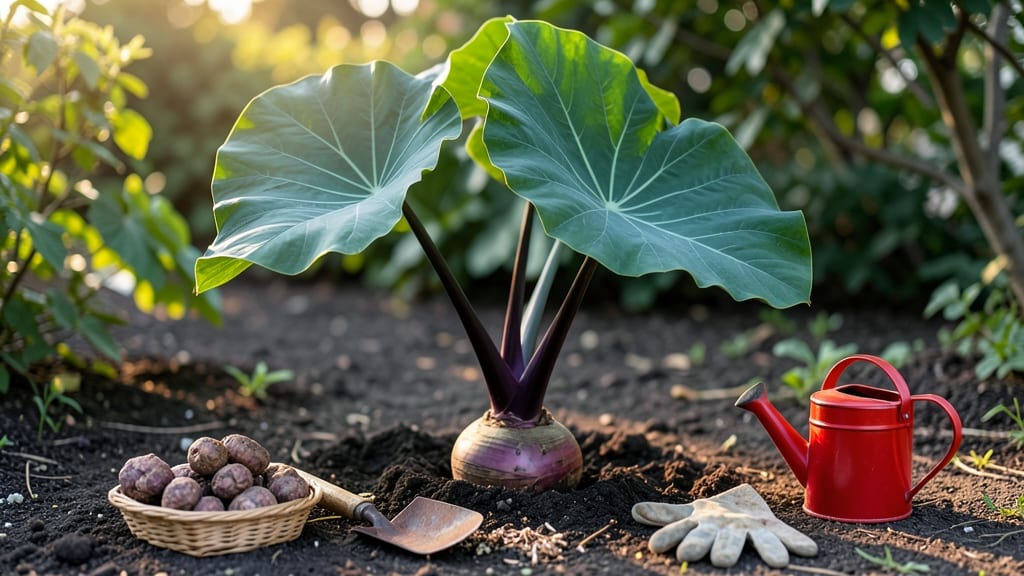
If you're asking "when to plant elephant ear bulbs in Missouri", timing is the secret to those jaw-dropping 🌿 leaves that make your garden the envy of the neighborhood.
Plant too soon, and frost will turn your investment into a sad, mushy mess. Wait too long, and you'll miss the summer showstopper potential these tropical beauties deliver.
Here's the deal: Missouri's 5b-6b zones mean you're playing a high-stakes game with Mother Nature. The magic window opens after your last frost date—typically mid-April to early May—when soil temperatures hit a balmy 60°F. That's when these heat-loving tubers wake up and start their dramatic growth spurt.
But here's what most gardeners get wrong: Elephant Ears aren't your average bulb. They're actually tubers, and they demand patience.
We'll show you exactly how to time it right for your specific Missouri microclimate, which varieties handle our cool nights best, and the simple soil prep tricks that make all the difference.
Whether you're a first-time planter or a seasoned pro looking to boost your foliage game, this zone-specific guide will have your Elephant Ears thriving when summer hits. Let's get those dramatic leaves growing where they belong—in your garden, not your compost pile.
Missouri frost-free deadline by planting Zone: exact dates for elephant ear bulbs
Missouri’s USDA Zones 5b-7a create a 6-week window for planting elephant ear bulbs—miss it, and you’ll either lose plants to frost or delay their stunning 3-5 foot foliage. The key?
Wait until soil reaches 60°F and all frost risk has passed. In most of Missouri, that means mid-April to early May, but your exact deadline depends on your zone.
Elephant ears (Colocasia and Alocasia) are tropical plants at heart, so they cannot tolerate frost. Even cold-hardy Alocasia varieties (like 'Polly') need consistent warmth to thrive.
Planting too early risks bulb rot from cold, wet soil, while planting too late means smaller plants that may struggle to establish before summer’s end.
Here’s your zone-by-zone breakdown of frost-free deadlines, ideal planting windows, and hardiness notes to help you time it perfectly. Use this as your Missouri planting calendar for elephant ears:
Missouri Planting Zones for Elephant Ear Bulbs
| Zone | Last Frost Date | Ideal Planting Window | Soil Temp Requirement | Hardiness Notes |
|---|---|---|---|---|
| 5b (Northern MO) | April 15 | Mid-May to early June | 60°F+ (wait for soil warmth) | Only Alocasia varieties (e.g., 'Polly') survive winters; Colocasia must be dug up. |
| 6a (Central MO) | April 1 | Late April to mid-May | 60°F+ (test with soil thermometer) | Both Alocasia and Colocasia can be planted; mulch heavily for winter protection. |
| 6b (Southern MO) | March 20 | Early April to late April | 60°F+ (earlier risk of late frost) | Best zone for Colocasia; use row covers if frost threatens after planting. |
| 7a (Southeast MO) | March 10 | Late March to early April | 55°F+ (soil warms faster) | Tropical Colocasia thrives; consider container growing for winter moves. |
🌱 Pro Tip: Use a soil thermometer to confirm warmth before planting—cold soil = failed bulbs.
If you’re in Zone 5b or 6a, consider starting bulbs indoors 4-6 weeks before your outdoor window. Place them in bright, indirect light and keep soil at 70°F to encourage early sprouting. Transplant outdoors only after all frost risk has passed—even a 28°F night can kill tender shoots.
For Zone 6b and 7a gardeners, you’ve got more flexibility. Plant as early as late March if you’re using row covers or a microclimate (like a sunny south-facing wall).
Just be ready to cover plants if a late frost sneaks in. I’ve seen ‘Black Magic’ Colocasia survive 32°F with protection—proof that timing + strategy beats luck.
One common mistake? Planting elephant ears too deep. These bulbs need to sit just 1 inch below soil level—any deeper, and they’ll rot. Use well-draining soil mixed with compost to prevent waterlogging, which is especially critical in Missouri’s heavy clay soils.
Amend with sand or perlite if your soil feels compacted.
Missouri’s short growing season means every day counts. Once planted, your elephant ears will shoot up 1-2 feet in just 30 days if conditions are right. But if you plant after June 1st, you’ll likely miss their peak summer display and may struggle with establishment before fall frosts.
Mark your calendar now—your bold, tropical foliage is waiting!
🌿
Missouri frost-free deadline by planting Zone: exact dates for elephant ear bulbs
Missouri’s USDA Zones 5b-7a create a tricky balance for elephant ear tubers—too early, and they’ll rot in cold soil; too late, and you’ll miss their summer spectacle. The key is planting after your last frost date (typically mid-April to early May) when soil reaches 60°F or warmer.
Let’s break down the exact windows by zone to avoid frost damage and ensure dramatic foliage.
Most Missouri gardeners fall into Zones 5b-6b, where Colocasia (tropical) and Alocasia (hardier) varieties behave differently. While Colocasia needs Zone 7+ protection, Alocasia can handle Zone 6 with proper care. This table shows your planting deadlines and soil prep cues:
Pro tip: Use a soil thermometer to confirm warmth—60°F is non-negotiable for tuber activation. In Zone 5b, wait until May 1 even if the calendar says spring arrived; cold soil will stunt growth or invite rot.
For Zone 7a, you can push to late March, but protect with row covers if nights dip below 50°F.
Missouri’s unpredictable spring means monitoring local weather is critical. Check your microclimate—southern exposures warm faster than shady spots. If you’re in northern Missouri (Zone 5b), prioritize Alocasia varieties like ‘Polly’ or ‘Frydek’, which tolerate 5°F dips better than tropical cousins.
For southern Missouri (Zone 7a), Colocasia varieties like ‘Black Magic’ will reward you with bold purple stems all summer.
Remember: Elephant Ears are not frost-tolerant at any life stage. If a late frost sneaks in after planting, cover them immediately with burlap or frost cloth.
The goal is to give these tropical divas a 6-8 week head start before summer’s full heat arrives—by then, they’ll be 5 feet tall and stealing the show.
Once you’ve nailed the timing, the next challenge is soil prep and frost protection—we’ll cover those tricks in the next section to keep your elephant ears thriving until first frost. 🌿