
Companion Plants
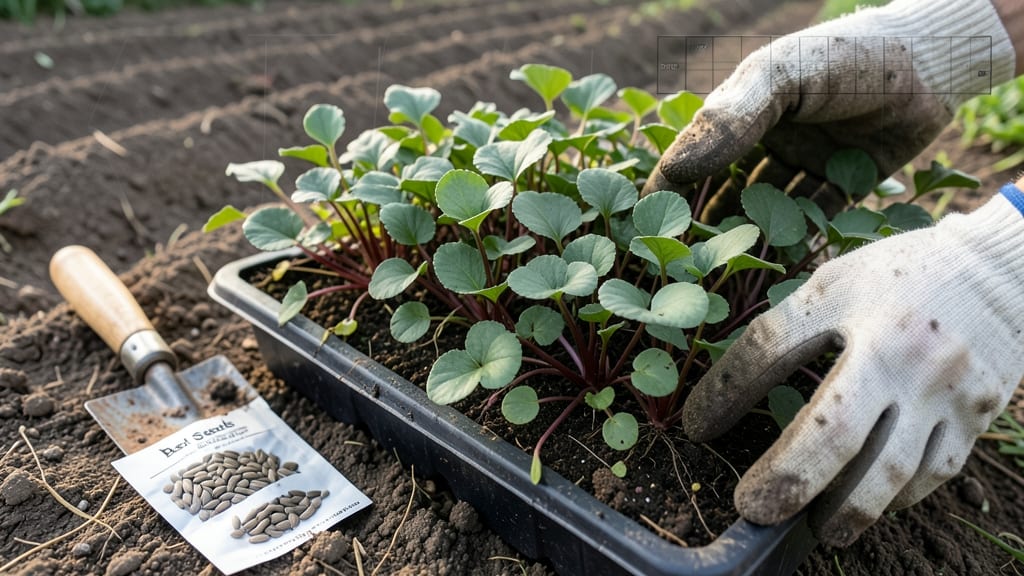
If you've ever wondered when can I plant beets in Zone 7 for that perfect harvest of tender, sweet roots, you're not alone. The secret lies in timing—plant too early, and you risk bolting; too late, and the roots turn woody.
In Zone 7, where frost dates shift from March 15 to November 15, getting it right means crisp, flavorful beets 🍠 ready by June or October.
Spring planting is your best bet, starting as early as March once soil temperatures hit 45°F. But don’t wait too long—by April, the heat can push beets to bolt before they mature.
For a fall harvest, late summer (around August) is ideal, giving roots time to sweeten before the first frost.
Why does timing matter so much? Beets thrive in cool weather, and Zone 7’s climate gives you two clear windows to work with. Whether you're a first-time gardener or a seasoned pro, mastering these dates ensures you avoid common pitfalls like bitter roots or poor germination.
In this guide, I’ll walk you through the exact frost-free timeline for Zone 7, soil prep tips, and even how to extend your harvest with succession planting. Let’s get those beets growing!

Zone 7 beet planting dates: frost timeline for spring and fall harvests
Beets are cool-season crops that love Zone 7's mild climate, but timing is critical to avoid bolting (going to seed) or woody roots. In Zone 7, you can plant beets in early spring and late summer for two harvests—here’s the exact timeline to follow.
Your last average frost date in Zone 7 is around March 15, while the first frost typically arrives November 15. Beets thrive when soil temperatures stay between 50°F and 75°F, making spring and fall your best planting windows.
For spring planting, aim to sow seeds 4-6 weeks before your last frost—so mid-February to early March. This gives seedlings time to establish before hot summer temperatures trigger bolting.
For a fall harvest, plant seeds 8-10 weeks before your first frost, or late August to early September.
Pro Tip: Use a soil thermometer to confirm soil temps are at least 50°F before planting—cold soil delays germination.
| Planting Window | Ideal Soil Temp | Germination Time | Harvest Window |
|---|---|---|---|
| Early Spring (Feb-March) | 50°F–65°F | 5–10 days | June–July |
| Late Summer (Aug-Sept) | 55°F–70°F | 7–14 days | Oct–Nov |
If you live in Northern Zone 7 (e.g., Pittsburgh, PA), plant 2 weeks earlier to account for colder soils. Conversely, Southern Zone 7 (e.g., Atlanta, GA) gardeners can start 1-2 weeks later since soils warm faster.
For continuous harvests, try succession planting every 2 weeks in spring and every 3 weeks in fall. This ensures a steady supply of tender, sweet beets all season long.
After planting, keep soil consistently moist (but not soggy) to prevent cracked roots. Mulch with straw or grass clippings to retain moisture and suppress weeds, which is especially important during Zone 7’s hot summers.
Remember: Beets planted too late in spring may bolt prematurely, while fall plantings need to mature before frost sets in. With the right timing, you’ll enjoy crisp, flavorful beets from June through November!
How to adjust beet planting for Zone 7 microclimates and soil conditions
Zone 7’s climate can vary dramatically from Northern (e.g., Pittsburgh) to Southern (e.g., Atlanta) regions, meaning your microclimate plays a huge role in beet success.
For example, Northern Zone 7 gardeners may need to start seeds indoors by late January to transplant outdoors by mid-March, while Southern Zone 7 soils often warm enough for direct sowing by early February.
Soil preparation is equally critical—beets prefer loose, well-draining soil with a pH between 6.0 and 7.0. Before planting, amend your soil with 2-3 inches of compost or well-rotted manure to improve fertility and drainage. Avoid heavy clay soils, which can cause deformed roots or poor germination.
Warning: Planting beets in too-rich soil can lead to leafy growth at the expense of root development. Over-fertilizing with nitrogen (e.g., blood meal) will give you lush greens but tiny, tough roots. Stick to a balanced fertilizer (like 5-10-10) applied lightly at planting and again 4-6 weeks later.
To extend your harvest window, use row covers or cold frames for early spring plantings. These protect seedlings from late frosts (which can kill young plants) and bolting caused by temperature fluctuations.
In fall, opt for heat-tolerant varieties like Detroit Dark Red and plant in partial shade to delay bolting as summer heat lingers.
For container growing, choose deep pots (at least 12 inches deep) and use a lightweight potting mix with perlite for drainage. Water containers daily in summer—they dry out faster than in-ground soil.
Place pots in a south-facing spot for maximum sunlight, but move them to partial shade if temperatures exceed 80°F.
Finally, watch for pests like leaf miners and diseases such as powdery mildew, which thrive in Zone 7’s humid summers. Crop rotation (avoiding the same spot yearly) and companion planting with onions or garlic can deter pests naturally.
With these adjustments, you’ll avoid common pitfalls and enjoy crisp, sweet beets all season!