
Plants
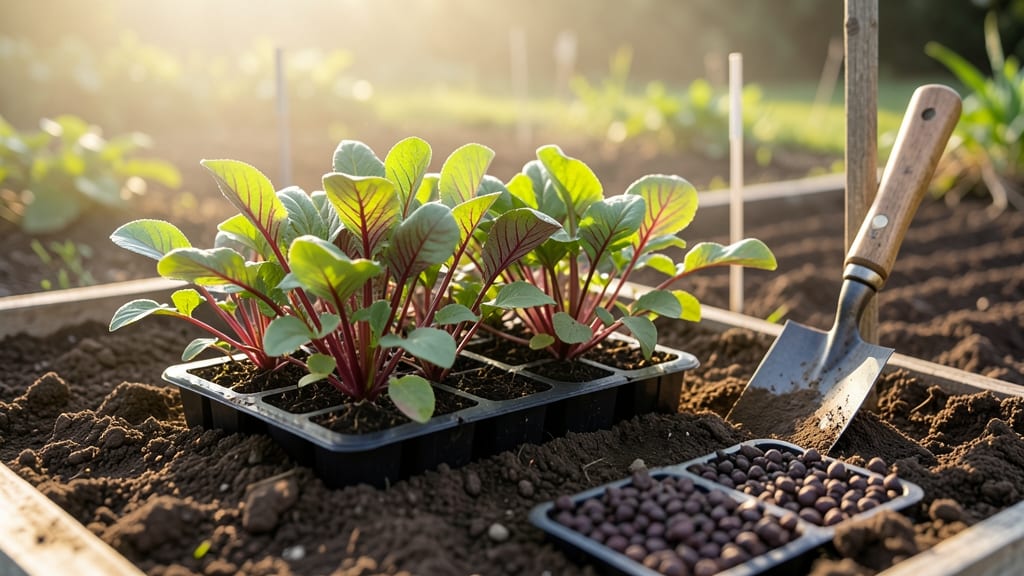
If you've ever struggled to grow crisp, sweet beets in Zone 9's relentless heat, you're not alone—this is the perfect time to master when to plant beets in zone 9.
The key to success isn't just avoiding summer's scorching temperatures but strategically planting during the cooler months when your 🍠 thrives.
Zone 9 gardeners know that planting beets at the wrong time can lead to bitter, woody roots or premature bolting. But with the right schedule—think late summer through early spring—you can enjoy a steady harvest of tender, flavorful beets all season long.
I’ll break down the exact months to plant, the best heat-tolerant varieties for your climate, and how to protect your crop from bolting. Whether you're a seasoned gardener or just starting out, these tips will help you grow beets that are sweeter and more productive than ever.
Ready to transform your garden? Let’s dive into the secrets of timing, soil, and shade that will keep your beets thriving in Zone 9’s unique growing conditions.

Best planting months for beets in Zone 9 (with heat tolerance tips)
In Zone 9, where summer temperatures can soar above 90°F (32°C), timing your beet planting is critical. Beets bolt (go to seed) quickly in heat, ruining their sweet, tender texture.
The key is to plant during cooler months—either late summer for a fall harvest or winter/spring for a spring bounty. Let’s break down the exact months and strategies to maximize your success.
Zone 9’s frost-free climate means you can grow beets year-round, but heat is the real enemy. Beets thrive in 60-70°F (15-21°C) soil temperatures. Planting in July-August or March-April gives you the best shot at avoiding bolting while still enjoying fresh harvests.
For a continuous supply, use succession planting every 2-3 weeks during these windows.
Here’s a quick reference for your planting schedule in Zone 9:
| Season | Planting Months | Ideal Soil Temp | Harvest Window | Heat Tip |
|---|---|---|---|---|
| Fall | July, August | 60-75°F (15-24°C) | October-December | Use shade cloth in peak heat. |
| Winter | September-February | 55-70°F (13-21°C) | November-March | Mulch heavily to retain moisture. |
| Spring | March, April | 60-70°F (15-21°C) | May-July | Avoid planting after April 15 to prevent bolting. |
For fall plantings, start in late July to take advantage of cooling temperatures. Use row covers or shade cloth (30-50%) during the hottest part of the day to protect seedlings. Beets sown in August will mature just as temperatures drop, giving you a crisp harvest in October.
Winter plantings in September-February are ideal for Zone 9’s milder winters. Beets grown in winter often develop sweeter flavors due to slower growth. In coastal areas, you can even plant in January for a spring harvest. Just ensure your soil stays well-draining to prevent rot during occasional winter rains.
Spring is another great time to plant, but act fast. Start seeds indoors in late February and transplant outdoors by March 1. Direct-sow outdoors in early March for a May-June harvest.
Avoid planting after mid-April, as rising temperatures will trigger bolting within 3-4 weeks. If you miss this window, wait until fall again.
To extend your growing season, try succession planting every 2 weeks during your chosen window. This ensures a steady supply of fresh beets without overwhelming your garden at once.
For example, plant one row in July, another in August, and a final row in September for harvests spanning October through January.
Microclimates play a huge role in Zone 9. If you’re in a low-desert area (like Phoenix), heat is more intense, and you’ll need to plant earlier in the season or use shade strategies.
In cooler high-desert zones (like Flagstaff), you can plant later into spring and even experience light frosts, which beets tolerate well.
Pro tip: Test your soil temperature before planting. Use a soil thermometer to ensure it’s between 60-70°F (15-21°C). If it’s hotter, wait or provide afternoon shade. With the right timing and a few heat-management tricks, you’ll enjoy homegrown beets year-round in Zone 9! 🌱
Best planting months for beets in Zone 9 (with heat tolerance tips)
In Zone 9, the key to growing sweet, tender beets lies in avoiding the brutal summer heat. Your best planting windows are during cooler months—think late summer through early spring—when temperatures stay below 85°F to prevent bolting.
The ideal months for planting are July, August, March, and April, with September and February as good alternatives.
Beets are cool-season crops, so they thrive when days are shorter and nights are cooler. Planting in late summer (July-August) gives your beets time to mature before winter sets in, while spring planting (March-April) ensures a harvest before summer heat arrives.
This dual approach maximizes your harvest potential in Zone 9’s unique climate.
Zone 9’s lack of frost means you can plant beets year-round, but timing is critical. If you plant too early in spring, your beets may bolt before reaching maturity. Conversely, planting in late spring or summer risks exposing them to heat stress, leading to bitter, woody roots.
The secret is to align your planting schedule with temperature fluctuations rather than calendar months.
🌱 Beet Planting Timeline for Zone 9
| Season | Planting Window | Temperature Range | Key Tips |
|---|---|---|---|
| Late Summer | July - August | 70-80°F | Use shade cloth to protect seedlings |
| Fall | September - October | 60-75°F | Harvest before winter rains |
| Winter | November - February | 50-65°F | Mulch heavily to retain moisture |
| Spring | March - April | 60-75°F | Succession plant every 2 weeks |
For succession planting, sow new seeds every 2-3 weeks during your planting windows to ensure a continuous harvest. This is especially useful in Zone 9, where you can extend your growing season by staggering plantings.
Use shade cloth during peak summer months to protect seedlings from intense sunlight, which can cause bolting.
If you’re growing beets in containers, choose heat-tolerant varieties and place pots in partial shade during the hottest part of the day. Containers dry out faster, so monitor soil moisture closely and water deeply in the morning to prevent stress.
With the right timing and care, you can enjoy homegrown beets year-round in Zone 9!