
Plants
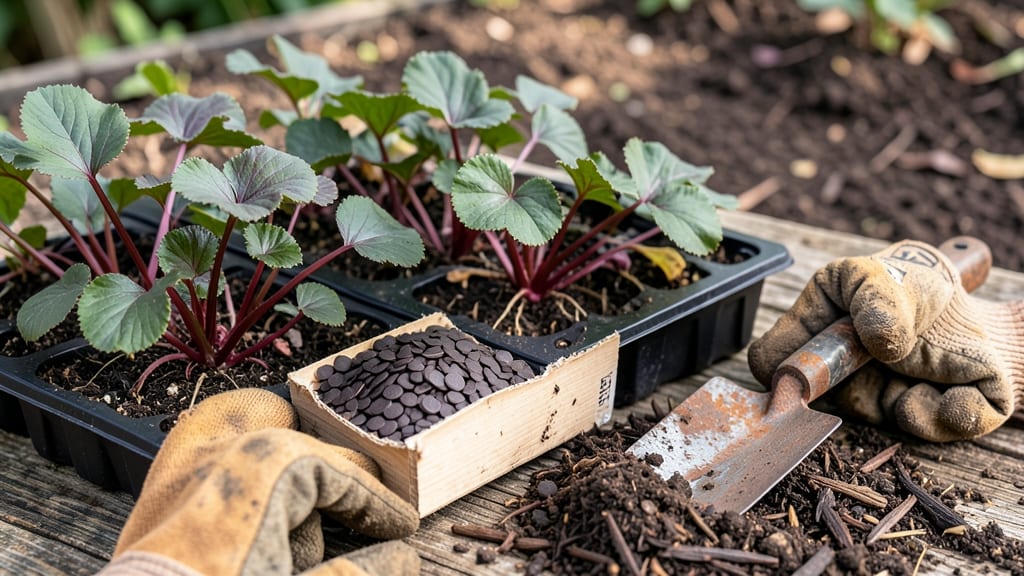
Optimal beet planting windows in Zone 7a: spring vs fall timing
In Zone 7a, timing your beet planting is everything—too early and you risk frost damage, too late and summer heat turns your roots woody. The sweet spot? Early spring and late summer windows that align with soil temperatures and frost dates.
Let’s break down the science-backed schedule to maximize your harvest.
For spring planting, aim to sow seeds 4-6 weeks before your last frost date—typically late February to early March in Zone 7a. This gives seedlings time to establish roots before soil temperatures rise above 70°F, which stresses beets.
In my garden, I mark March 15 as my target for spring sowing, adjusting 1-2 weeks earlier if we have a mild winter.
Your visual planting guide below compares spring vs. fall timing, including soil temp requirements and harvest windows. Notice how fall planting often yields sweeter beets because cooler nights prevent the bitter compounds that develop in summer heat.
| Planting Window | Soil Temp | Last Frost Date | Harvest Window | Notes |
|---|---|---|---|---|
| Early Spring (Feb 20 - Mar 15) | 45-55°F | March 15 | May - June | Plant when soil is workable; protect from late frosts. |
| Late Summer (July 15 - Aug 15) | 60-70°F | November 15 | September - October | Sow 8-10 weeks before first frost; cooler temps improve flavor. |
If you’re planting in early spring, use row covers or cold frames to shield seedlings from unexpected frosts. I’ve had success with black plastic mulch to warm the soil faster—just remove it once temps stabilize above 50°F at night.
For fall planting, prioritize shade cloth during heatwaves to prevent bolting.
Pro tip: Succession plant every 2 weeks in spring for a staggered harvest. In my experience, this prevents overcrowding and ensures you’re always pulling fresh, crisp roots instead of waiting for a single massive harvest. The Detroit Dark Red variety, for example, matures in 55 days—perfect for this strategy.
Watch for soil temperature fluctuations—beets struggle when soil heats above 80°F. In Zone 7a, this typically happens by mid-June, which is why I shift to shade-loving varieties like Golden Beets for summer planting. These tolerate slightly warmer conditions better than their deep-red cousins.
For fall crops, aim to harvest before first frost (around November 15 in Zone 7a). If you’re late, dig up beets and store them in sandy soil in a cool basement—this extends their shelf life by 2-3 months.
I’ve kept Chioggia beets this way until January with no loss of quality.
Remember: Beets are cool-season crops, so they’ll bolt (go to seed) if stressed by heat. In Zone 7a, this means summer planting must end by July 15 to avoid bitter, stringy roots. Plan accordingly, and you’ll enjoy homegrown beets from May through October.
🌱
Optimal beet planting windows in Zone 7a: spring vs fall timing
Zone 7a gardeners have two prime windows to grow crisp, sweet beets: early spring and late summer. The key is planting when soil temperatures stay below 75°F—beets bolt and turn bitter in summer heat.
Let's break down the ideal timing and why fall planting often yields superior results.
For spring planting, aim to sow seeds 4-6 weeks before your last frost date (typically mid-March to early April in Zone 7a). This gives seedlings time to establish before summer heat arrives.
I've found that planting in late March works best in my garden—soil warms enough for germination but stays cool enough for steady growth.
Your fall planting window opens 8-10 weeks before your first frost (usually early to mid-July in Zone 7a). Fall beets often develop sweeter flavors because cooler nights slow starch conversion. The trade-off? You'll need to harvest before winter sets in—typically by late October.
📅 Beet Planting Timeline for Zone 7a
| Season | Planting Window | Soil Temp | Harvest Window |
|---|---|---|---|
| Spring | Mid-March to April | 45-65°F | May-June |
| Fall | Early July | Below 75°F | September-October |
✅ Pro Tip: Use a soil thermometer to confirm temperatures—beets germinate best between 50-70°F
Adjust your timing if you experience unusually early/late frosts. For example, if your last frost comes two weeks early, shift spring planting to late February. Conversely, if summer heat arrives earlier than expected, consider using shade cloth to protect seedlings.
Remember that beet varieties also affect timing. Detroit Dark Red and Golden types mature faster (50-55 days), while Chioggia (55-60 days) needs slightly later starts. Always check seed packets for days to maturity and work backward from your frost dates.
One final tip: Direct sow seeds—beets hate transplanting. Scatter seeds ½ inch deep, thin seedlings to 3-4 inches apart, and keep soil moist until germination (7-14 days). With proper timing, you'll enjoy homegrown beets from spring through fall!