
Plants
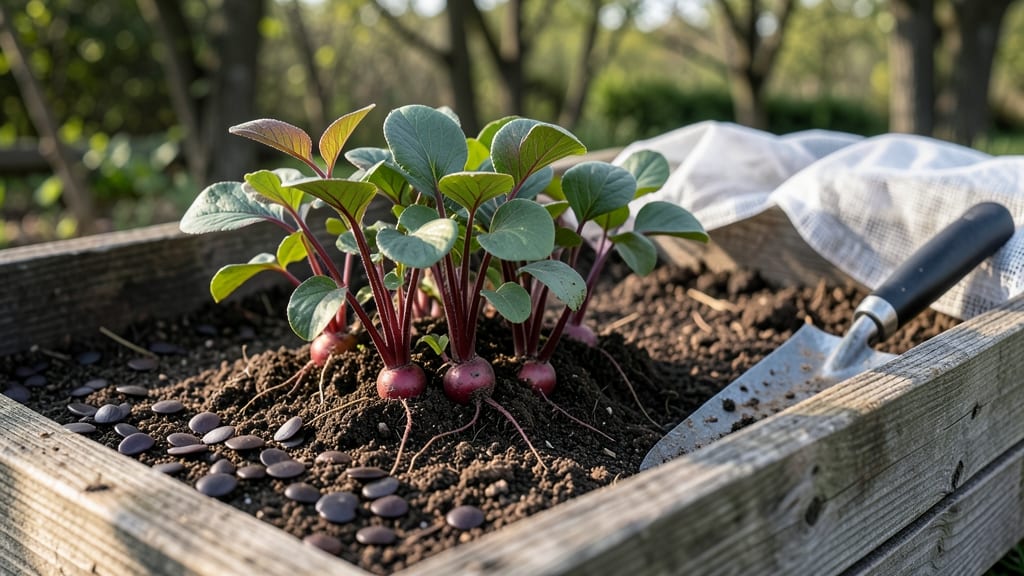
If you’ve ever planted beets 🍠 in Zone 5 only to end up with bitter, tough roots instead of sweet, tender harvests, timing is the key—and the secret is simpler than you think.
Zone 5’s cool springs and unpredictable frosts make beet planting a balancing act. Plant too early, and you risk bolting or stunted growth; too late, and you’ll miss the fast harvest window before summer heat sets in.
The solution? Two perfect windows—early spring and late summer—where soil temps and daylight align for success.
I’ll break down the exact frost-date calculator method to pinpoint your planting windows, plus how to adjust for Zone 5’s sub-zones (5a vs. 5b) and weather quirks. No more guesswork—just sweet, fast harvests every time.
Whether you’re a beginner or a seasoned gardener, these pro tips will ensure your beets grow perfectly, no matter what Zone 5 throws your way.

Zone 5 beet planting timeline: exact dates for sweetest harvests
Beets are cool-season crops, and timing your Zone 5 plantings correctly ensures sweet, tender roots instead of bitter or woody ones. The key is planting when soil temperatures hover between 40°F and 75°F—too warm, and they bolt; too cold, and growth stalls.
In Zone 5, that means two prime windows: early spring and late summer. Let’s break down the exact dates and soil conditions to maximize your harvest.
Most gardeners in Zone 5 start beets 4-6 weeks before the last frost date (typically mid-April to early May). For example, if your last frost is May 15, aim to plant March 20–April 1.
This gives seedlings time to mature before summer heat arrives. Fall plantings should begin 8-10 weeks before the first frost (usually late July to early August), with harvests wrapping up by October 15.
Here’s the critical detail: Beets struggle when soil temps exceed 75°F, so avoid planting in June or September unless you use shade cloth or quick-maturing varieties. In Zone 5a (colder microclimates), shift plantings 1-2 weeks later than Zone 5b to avoid early spring frosts.
| Planting Window | Zone 5 Last Frost | Soil Temp Range | Ideal Planting Dates |
|---|---|---|---|
| Early Spring | Mid-May | 40°F–65°F | March 20–April 15 |
| Late Summer | Mid-October | 50°F–70°F | July 15–August 10 |
| Succession Planting | N/A | 40°F–60°F | Every 2 weeks (April–July) |
🌱 Pro Tip: Use a soil thermometer to confirm temps before planting—beets hate heat!
For succession planting, sow seeds every 2 weeks from April through July to enjoy a continuous harvest. This works best with fast-maturing varieties like ‘Babybeat’ (45 days) or ‘Touchstone Gold’ (50 days). Space seeds 1 inch apart and thin to 3 inches once seedlings emerge—crowding leads to misshapen roots.
If you’re in a Zone 5a area (colder), delay spring plantings until April 1 and consider row covers for early starts. In Zone 5b, you can push it to March 25 for a head start.
Always check your local frost dates—they vary even within the same zone. For example, Chicago’s last frost averages May 10, while Pittsburgh’s is closer to May 15.
One common mistake? Planting beets too early in cold, wet soil. Wait until soil is workable (not muddy) and at least 40°F. A simple test: Press your finger into the soil—if it crumbles easily, it’s ready.
If not, wait 1-2 weeks. Cold soil slows germination, leading to uneven sprouts.
For fall plantings, aim for July 15–August 10 to harvest before frost. Beets stored in a cool, dark place (like a root cellar) can last 2-3 months, so timing is everything.
If you miss the window, try cold-hardy varieties like ‘Purple Top White Globe’—they tolerate light frosts better than others.
Remember: Beets hate heat. If summer temps climb above 80°F, growth slows, and roots turn bitter. Use shade cloth or opt for bolting-resistant varieties like ‘Detroit Dark Red’ if you must plant in June.
Mulch with straw to keep soil cool and moist—this extends the harvest window by 2-3 weeks.
Finally, mark your calendar for June 15 and September 1 as deadlines. After these dates, beets planted in Zone 5 will likely bolt or develop tough fibers. With the right timing, you’ll enjoy sweet, crisp beets from June through October—no bitter surprises here! 🌿
Zone 5 beet planting timeline: exact dates for sweetest harvests
Beets in Zone 5 thrive when planted during two optimal windows: early spring and late summer. The key is aligning your planting with soil temperatures and frost dates—not just calendar months.
For most of Zone 5, this means starting seeds indoors or outdoors 4-6 weeks before your last frost date, typically mid-March to early April.
In Zone 5, your last frost date usually falls around mid-May, but this can vary by 5a (colder) vs. 5b (milder). For example, in 5a, aim for March 15-April 1, while 5b gardeners can push to April 1-April 15.
The goal? Plant when soil temps reach 45-50°F—beets won’t germinate in cold soil.
| Planting Window | Zone 5a Dates | Zone 5b Dates | Soil Temp | Harvest Window |
|---|---|---|---|---|
| Early Spring | March 15-April 1 | April 1-April 15 | 45-50°F | June-July |
| Late Summer | July 15-August 1 | July 20-August 5 | 55-65°F | October-November |
For late-summer planting, focus on July-August to ensure beets mature before first frost (mid-October). Start seeds 8-10 weeks before your first frost, so they’re ready to harvest by October. Avoid planting after August 15—beets grown in hot soil often develop wooden cores or bolt prematurely.
Pro tip: Use a frost-date calculator (like the Old Farmer’s Almanac) to pinpoint your exact dates. For example, if your last frost is May 10, plant March 25-April 5 for spring beets. This ensures 60-70 days to harvest before summer heat arrives.
Zone 5’s unpredictable weather means flexibility is key. If late frosts threaten, cover seedlings with row fabric until temps stabilize. For fall planting, prioritize cold-hardy varieties like ‘Detroit Dark Red’—they tolerate light frosts and still sweeten up before winter.