
Trees
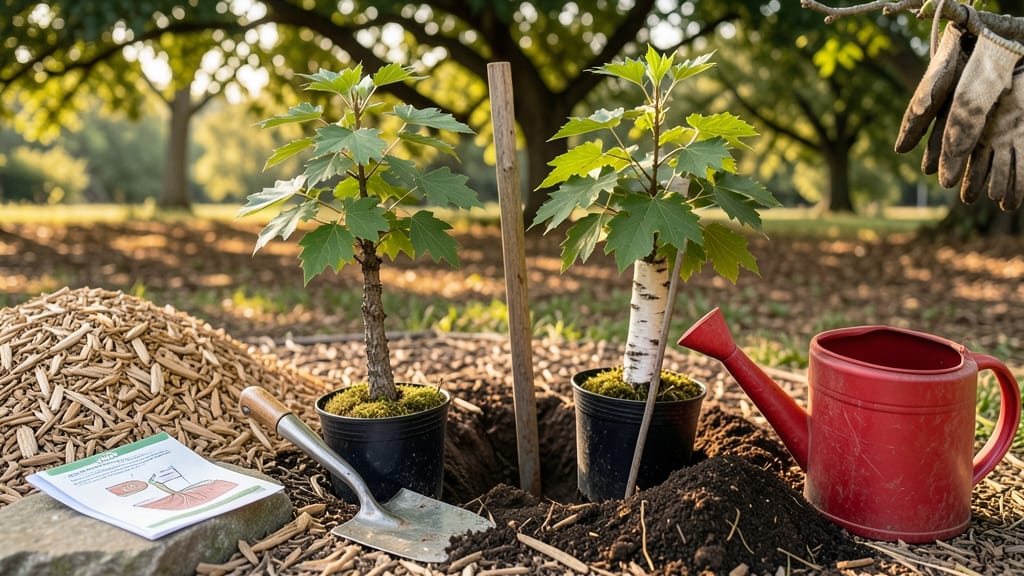
If you're asking "when is the best time to plant trees in Wisconsin", timing is everything—because getting it wrong can mean years of struggling with weak roots or even losing your investment.
Wisconsin's 4a-6b zones demand precision, and the difference between spring and fall planting can determine whether your 🌳 thrives or fights for survival.
Most gardeners assume spring is the only option, but fall actually offers cooler soil and fewer pests—giving young roots a head start before winter. The key is understanding your specific zone's frost dates, which can shift planting windows by weeks between northern and southern Wisconsin.
I'll break down the exact months that work best for your area, whether you're planting bare-root saplings or container-grown specimens. You'll also discover how to prep your soil for Wisconsin's clay-heavy conditions and avoid the most common mistakes that kill trees before they even take root.
Ready to plant with confidence? Let's dive into the science-backed timing that will set your trees up for decades of strong growth—no guesswork required.
Wisconsin’s ideal tree planting months by hardiness Zone (5-6)
Wisconsin spans USDA Hardiness Zones 4a-6b, meaning your planting window depends heavily on your location. In Zone 4a (northern Wisconsin), frost lingers until mid-May, while Zone 6b (southern Wisconsin) sees last frosts around May 1st.
These differences create a 4-6 week shift in optimal planting times across the state.
For most tree species, the sweet spot is when soil temperatures stay above 40°F (4°C) for at least 10 consecutive days. This typically occurs in early April for Zone 6b and late April for Zone 4a.
However, fall planting—when days cool but roots can still establish—often yields higher survival rates in Wisconsin’s climate.
Here’s the breakdown you need to know before digging that first hole:
| Zone | Spring Planting | Fall Planting | Soil Temp Threshold | Key Risk |
|---|---|---|---|---|
| 4a (Northern WI) | Late April–Early May | Mid-September–Early October | 45°F (7°C) | Late frost damage |
| 5a (Central WI) | Early April–Mid-May | Late September–Mid-October | 40°F (4°C) | Drought stress |
| 6b (Southern WI) | March 15–April 15 | October 1–October 15 | 38°F (3°C) | Early winter freeze |
Bare-root trees—common in Wisconsin nurseries—demand special timing. Plant them as soon as they arrive in early spring (March–April) or late fall (October–November) before the ground freezes. Container-grown trees offer more flexibility but still thrive best when planted during these optimal windows.
Evergreens like white pine or blue spruce need extra care in Wisconsin’s winters. Plant them in early fall (September) so roots establish before snowfall. Deciduous trees—such as oak or maple—handle fall planting better due to their dormancy cycle.
Pro tip: Check your local Cooperative Extension Service for frost date averages in your county. Urban areas like Milwaukee often experience earlier springs than rural northern Wisconsin, so adjust your timeline accordingly.
If you miss the ideal window, don’t panic. Container-grown trees can be planted in late fall (November) or even early spring (March) with proper mulching and winter watering. Just avoid planting when the ground is frozen or waterlogged.
Remember: The goal is to give your tree’s roots 6-8 weeks of active growth before the next frost. In Wisconsin, that means fall planting (September–October) often outperforms spring for long-term success.
🌳
Spring vs. fall planting: which works better in Wisconsin’s climate?
Wisconsin’s cool, humid summers and freezing winters create a unique challenge for tree planting. While many gardeners default to spring, fall often delivers better results—especially for bare-root saplings and young container-grown trees.
The key difference lies in soil temperature and moisture availability, both of which favor fall planting in most of the state.
Spring planting (April–May) gives trees a full growing season to establish roots before winter, but Wisconsin’s unpredictable frost dates (ranging from April 1 in Zone 4a to May 1 in Zone 6b) can leave young trees vulnerable if planted too early.
Fall planting (September–October), on the other hand, allows roots to grow in cooler soil while avoiding summer heat stress, giving your tree a 6–8 week head start before dormancy.
Here’s how the two seasons stack up for Wisconsin’s climate, including microclimate factors like urban heat islands and rural frost pockets that can shift your ideal window by weeks.
- Full growing season for root establishment
- Easier to water deeply before summer drought
- Better for container-grown trees (less transplant shock)
- Risk of late frost damage (Zone 4a)
- Competition with weeds and grass for moisture
- Soil may be too cold for root growth early in season
- Cooler soil reduces transplant shock
- Less pest pressure (fewer insects in fall)
- Roots grow 6–8 weeks before winter dormancy
- Limited time to establish roots before frost
- Soil may be too wet in northern Wisconsin (Zone 4a)
- Harder to water adequately if early frost occurs
For northern Wisconsin (Zone 4a), fall planting is critical—aim for late August to mid-September to avoid early frosts. In southern Wisconsin (Zone 6b), you can extend planting into early November, but stop by October 15 to allow roots to harden off before winter.
Urban areas like Milwaukee may experience 2–3°F warmer microclimates, giving you an extra week or two of planting time compared to rural zones.
If you’re torn between seasons, consider the tree species. Fast-growing trees like silver maples or willows handle spring planting well, while slower growers like oaks or birches benefit from fall’s cooler conditions.
Always check the root flare (where roots meet trunk) after planting—it should sit 1–2 inches above soil level to prevent rot.
Pro tip: Mulch newly planted trees with 3–4 inches of wood chips (keep mulch 6 inches away from the trunk) to retain moisture and regulate soil temperature. This is especially important in Wisconsin’s dry summers and freezing winters, where mulch can mean the difference between survival and failure.