
Trees
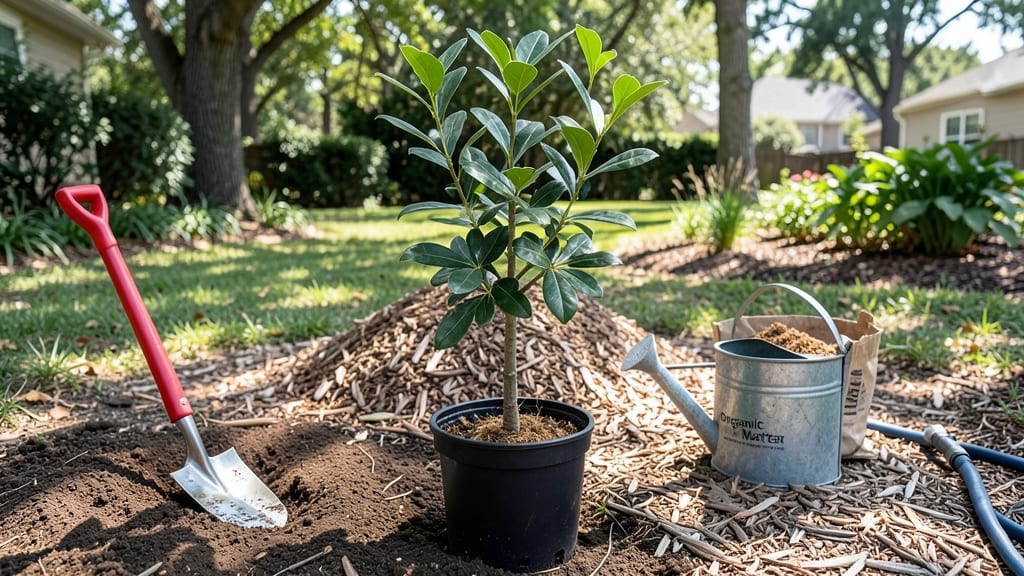
If you’ve ever wondered when is the best time to plant trees in North Texas, only to watch your saplings battle through harsh winters or scorching summers, you’re not alone. The difference between a thriving shade provider and a struggling sapling often comes down to one critical factor: timing.
Planting at the wrong time can mean wasted money, years of slow growth, or even irreversible damage—especially in USDA Zones 7b-8a, where frost dates shift unpredictably.
Most gardeners assume spring is the only safe bet, but fall actually offers a cooler, moisture-rich window that many trees prefer. The ideal planting months—October through November—align perfectly with North Texas’s natural rhythms, giving roots time to establish before winter dormancy.
But here’s the catch: not all trees follow the same rules. Oak seedlings, for example, need different conditions than fruit trees, and soil temperature matters just as much as the calendar.
In this guide, I’ll break down the science behind North Texas’s frost-free window, soil temperature thresholds, and the best planting strategies for your specific tree type.
Whether you’re planting a towering live oak or a delicate fruit-bearing tree, you’ll learn how to avoid common mistakes—like planting too late in spring or ignoring microclimates—and set your trees up for decades of success.
Ready to turn your yard into a thriving forest? Let’s dive into the exact timing, tools, and techniques that will make your trees the envy of the neighborhood—no guesswork required.
North Texas frost-free window & optimal planting months by tree type
North Texas' frost-free window typically spans from mid-March to mid-November, but exact dates vary by year and location. For Dallas-Fort Worth, the average last frost date is around February 15–March 15, while Wichita Falls tends to see frost a week earlier.
This window creates two prime planting seasons: late winter/early spring and fall.
Timing matters because trees planted too early face frost damage, while planting too late limits root growth before winter dormancy. Oaks, pecans, and fruit trees need extra care—they establish roots slowly and benefit from fall planting to avoid summer stress.
Meanwhile, fast-growing pines or ornamental trees like crape myrtles adapt better to spring planting.
Here’s how North Texas’ microclimates affect planting:
• Dallas/Fort Worth: Warmer urban areas extend the frost-free window slightly, favoring early March or late October plantings.
• East Texas (e.g., Tyler): Higher humidity and later frosts push ideal planting to April or November.
• West Texas (e.g., Lubbock): Harsher winters and earlier frosts mean fall planting must end by October 15.
For container-grown trees, you have more flexibility—they can be planted year-round, but avoid extreme heat (July–August) or freezing temperatures (December–February). Bare-root trees, however, must be planted in dormant seasons (late winter or fall) to prevent root desiccation.
Pro tip: Check the Texas A&M AgriLife Extension for your county’s 10-year frost data. For example, Denton County averages a March 20 last frost, while Young County near the Red River sees frost until April 5. Adjust your planting dates accordingly!
If you’re unsure about local conditions, use the "5-10-15 Rule": Plant 5 weeks before the average last frost for spring, or 10–15 weeks before the first frost for fall. This gives roots time to establish before extreme weather hits.
Remember, tree health starts underground. A tree with a strong root system before winter or summer stress is far more likely to thrive. Next, we’ll dive into how to check soil temperatures to fine-tune your planting schedule—because calendar dates alone won’t guarantee success!
Soil temperature guide: when to plant for maximum root establishment
North Texas’s soil temperature is the secret weapon for successful tree planting—more critical than the calendar date. Most trees need soil at least 60°F to establish roots, but oaks and pecans thrive best when soil hits 70°F+.
In my experience, planting too early—when soil is still cold—leads to stressed roots and poor survival rates, even if the air feels warm.
To check soil temperature, use a soil thermometer (available for under $10) or dig down 6 inches and feel the moisture. If it’s cool to the touch, wait a few weeks.
For example, in Dallas, soil temps hit 60°F around mid-March, while Wichita Falls may lag until late March due to cooler nights.
Here’s the golden rule: Plant when soil temps are stable—not just rising. A sudden cold snap can shock young roots, even if the thermometer says it’s safe.
I’ve seen container-grown trees planted in late February wither when a 28°F frost hit just 10 days later. Always monitor local forecasts and adjust your timeline accordingly.
| Tree Type | Ideal Soil Temp (°F) | Best Planting Window | Notes |
|---|---|---|---|
| Oak (Live Oak, Red Oak) | 70°F+ | Late March–April or October–November | Slow growers; needs deep watering |
| Pecan | 65°F+ | April–May or September–October | Drought-tolerant; avoid waterlogging |
| Pine (Loblolly, Eastern White) | 55°F+ | February–March or November | Fast root growth; mulch heavily |
| Fruit Trees (Peach, Pear, Apple) | 60°F+ | Late February–March or October | Needs well-draining soil; prune after planting |
🌱 Pro Tip: Use a soil thermometer for accuracy—don’t guess!
If your soil is too cool for planting, don’t panic. You can pre-warm the soil by covering it with black plastic mulch for 2–3 weeks before planting. I’ve used this trick for live oaks in cool springs, and it shaves off weeks of waiting.
Just remove the plastic right before planting to avoid overheating the roots.
For fall planting, aim for soil temps between 50°F–60°F. This gives roots time to establish before winter dormancy without risking frost damage. In East Texas, where humidity lingers, fall planting can extend the growing season by 4–6 weeks compared to spring.
Remember: Soil temperature > calendar date. Even if it’s March 1st, if your soil is still below 60°F, wait. Your trees will thank you with stronger roots and faster growth in the years ahead. 🌳