
Trees
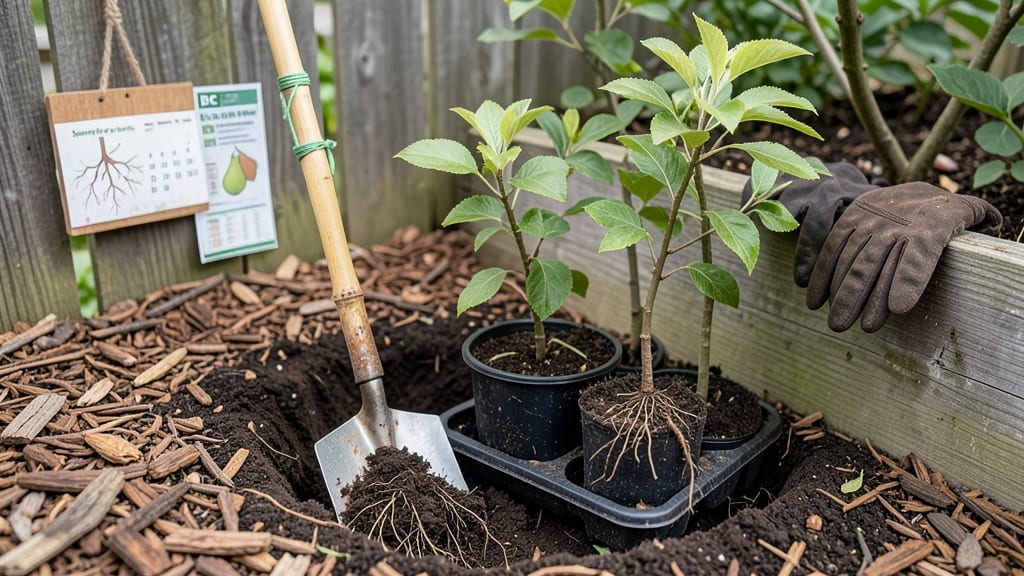
Timing your fruit tree planting in BC isn't just about the calendar—it's about surviving the region's unpredictable frosts and matching varieties to your specific chill-hour zone.
Whether you're in Vancouver's coastal mildness or the Okanagan's hotter valleys, getting this wrong could mean watching your young trees struggle or even die before they bear fruit.
I've seen firsthand how critical spring planting is when the soil warms to 50°F (10°C)—that sweet spot between late April and early June for most areas.
But here's the catch: BC's microclimates vary wildly, and choosing the wrong window could leave your 🌱 fruit trees vulnerable to late frosts that hit harder than you'd expect, even in seemingly warm zones.
What if I told you the secret isn't just about the month, but about understanding your local frost-free dates and selecting varieties that thrive in your specific chill-hour range?
From apples that need 800+ chill hours to peaches that do fine with 300-500, we'll break down exactly what works where—and how to give your trees the best possible start.
Let's cut through the guesswork so you can plant with confidence, whether you're a first-time gardener or a seasoned orchardist looking to expand your BC fruit tree collection. Your future harvests depend on getting this right.
BC chill-hour zones: matching fruit tree varieties to your region’s cold requirements
British Columbia’s climate varies dramatically from the coastal rainforests of Vancouver to the semi-arid heat of the Okanagan Valley. These differences mean chill-hour requirements for fruit trees can range from 300 to over 1,000 hours below 7°C (45°F).
Choosing the wrong variety for your zone risks poor flowering or no fruit at all.
For example, peach trees need 300–500 chill hours and thrive in the Okanagan’s warm winters, while apple varieties like Gala or Honeycrisp require 800–1,000 chill hours, making them ideal for Vancouver Island’s cooler climate. Always check the BC Ministry of Agriculture’s chill-hour map before selecting varieties.
Here’s how to match your region to the right fruit trees:
| Region | Chill-Hour Zone | Best Fruit Tree Varieties | Notes |
|---|---|---|---|
| Vancouver & Lower Mainland | 800–1,000+ | Gala, Honeycrisp, McIntosh apples; Bing cherries | Cooler winters; watch for late frosts |
| Vancouver Island | 700–900 | Fuji, Spartan apples; Stella cherries | Maritime climate; wind protection needed |
| Okanagan Valley | 300–600 | Peaches, nectarines, plums; Red Delicious apples | Hot summers; low-chill varieties preferred |
| Kootenays & Interior | 600–800 | Elstar apples, Montmorency cherries | Cold winters; hardy varieties essential |
If you’re unsure about your local chill hours, use a home weather station or check the Environment Canada climate data for your area. For example, Kelowna averages 500 chill hours, while Victoria hits 900+. This difference explains why peaches struggle in Victoria but thrive in Kelowna.
Another critical factor is microclimates. A south-facing slope in the Okanagan can add 100+ extra chill hours compared to a valley floor. Plant in spots with maximum winter sun exposure to boost chill accumulation naturally.
For stone fruits like peaches and cherries, consider low-chill varieties if you live in Zone 7 or warmer. Brands like Stark Bros. or Davidson Nursery offer BC-specific selections with chill-hour labels. Always ask for local grower recommendations—they’ve tested what works in your exact conditions.
Pro tip: Dwarf or semi-dwarf trees adapt better to microclimates than standard varieties. Their smaller canopies warm up faster in spring, reducing frost damage risk. Pair them with windbreaks if your yard is exposed.
Finally, avoid planting in frost pockets. Low-lying areas or north-facing slopes can delay spring warming by 2–3 weeks, leaving young trees vulnerable. Use a frost-free date calculator (like the one from Agriculture Canada) to pinpoint your last frost date.
With the right variety and site selection, your BC orchard can produce fruit reliably for decades. Start by testing your chill hours, then match them to proven local cultivars.
Frost-free deadlines by BC region: when to plant bare-root vs. containerized trees
British Columbia’s frost patterns vary dramatically—Vancouver’s coastal mildness contrasts sharply with the Okanagan’s cold winters. Timing your fruit tree planting after the last frost is critical, but the exact window depends on your microclimate zone and whether you’re planting bare-root or containerized trees.
For Vancouver and Vancouver Island, aim for late April to early May when soil temperatures hit 10°C (50°F). In the Interior (Kelowna, Penticton), wait until mid-May to June 1st to avoid late frosts.
Coastal regions like Victoria can plant as early as March, but monitor local frost forecasts.
| Region | Last Frost Date | Ideal Planting Window | Bare-Root Trees | Containerized Trees |
|---|---|---|---|---|
| Vancouver | Late April | Late April–Early May | Dormant season (Nov–March) | Year-round (best spring) |
| Victoria | Early March | March–April | Nov–Feb | Spring or fall |
| Okanagan (Kelowna) | Mid-May | Mid-May–June 1 | Nov–March | Spring (soil warm) |
| Northern BC (Prince George) | Late May | Late May–June 15 | Late fall (Oct–Nov) | Early June |
Bare-root trees must be planted while dormant (roots exposed but no leaves). Containerized trees offer flexibility—plant anytime soil isn’t frozen, but spring is best for root establishment. For stone fruits (peaches, nectarines), delay until June to avoid late frosts damaging blossoms.
Always check the BC Ministry of Agriculture frost maps or local agricultural extension services for updates. A frost cloth can extend your planting window by 2–3 weeks in high-risk areas.
Prepare your site 4–6 weeks before planting by amending soil with compost and installing a drip irrigation system. Mulch heavily after planting to retain moisture and protect roots from temperature swings.
Pro tip: Plant apple and pear trees in fall (Oct–Nov) for early root growth, but avoid late-spring planting—they’re vulnerable to crown rot if stressed during hot dry spells.