
Plants
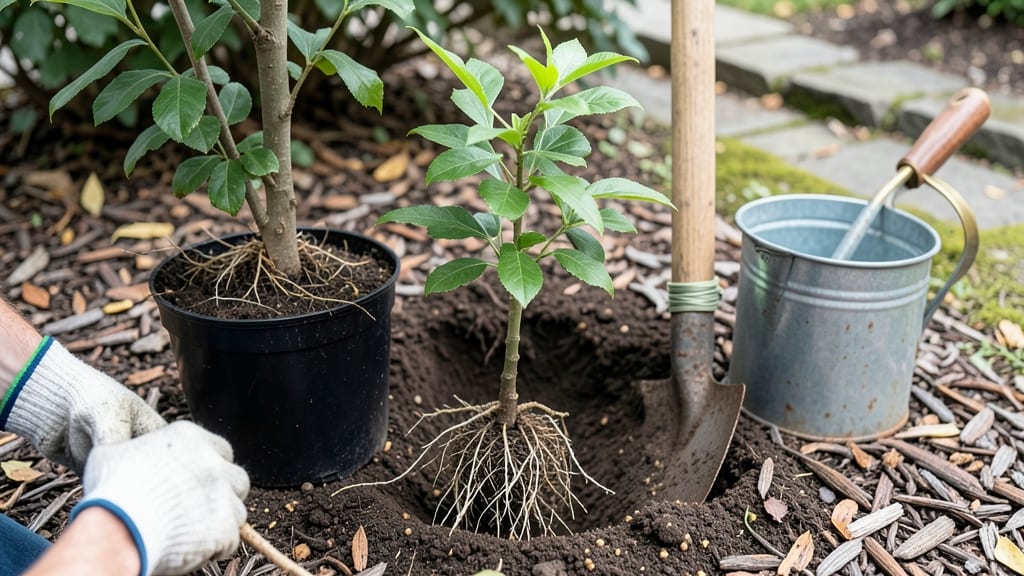
Knowing when to plant crape myrtle in Zone 9 is the secret to getting those showstopping 🌸 blooms that last all summer.
Unlike cooler climates, Zone 9’s mild winters and scorching summers demand precise timing—plant too early, and your tree might struggle with heat shock; too late, and it won’t establish strong roots before the next growing season.
For Zone 9 gardeners, the best window is late winter to early spring, when soil temperatures hover around 60°F—typically between February and March.
This gives your crape myrtle the head start it needs to develop deep roots before the real heat arrives, setting the stage for lush foliage and vibrant flowers.
But timing isn’t just about the calendar—it’s also about avoiding Zone 9’s pitfalls. Summer heat can stress young transplants, while fall plantings might not give roots enough time to harden off before winter.
I’ll walk you through the critical factors that make or break your planting success, so you can skip the guesswork and get it right the first time.
Whether you’re a first-time gardener or a seasoned pro, these insights will help you plant with confidence. Let’s dive into the exact months, soil prep tips, and pro-level tricks to ensure your crape myrtle thrives for years to come.

Optimal planting windows for crape myrtle in Zone 9: month-by-month breakdown
Planting your crape myrtle at the right time in Zone 9 ensures strong root establishment and vibrant blooms. The best windows are late winter to early spring and fall, when soil temperatures are ideal and stress factors are minimal.
Zone 9's mild winters and hot summers create unique challenges. Unlike colder zones, you avoid frost damage, but summer heat can stress newly planted trees. I recommend focusing on March and April for spring planting, when daytime temperatures stabilize above 60°F and rainfall increases.
For fall planting, aim for October to early November. This gives roots time to establish before winter dormancy, while avoiding the extreme heat of summer. Fall-planted trees often show faster growth in their second year.
Here’s how the two seasons compare for crape myrtle success in Zone 9:
| Factor | Spring Planting (March-April) | Fall Planting (October-November) |
|---|---|---|
| Soil Temperature | 60-75°F (ideal for root growth) | 65-70°F (cooler but still active) |
| Rainfall | Moderate (supports establishment) | Increasing (natural watering) |
| Heat Stress Risk | Low (early season) | None (cooler months) |
| Root Establishment | 6-8 weeks before summer heat | 8-10 weeks before dormancy |
| Bloom Impact | Full summer blooms next year | May delay first blooms by 1 year |
Spring planting gives your crape myrtle a head start for summer blooms, while fall planting reduces transplant shock in hotter months. I’ve found that March 15th is my personal sweet spot—soil is warm enough, and summer’s intensity hasn’t peaked yet.
If you miss these windows, May can work for container-grown trees, but expect slower initial growth. Avoid planting in June or later—the heat will stress the roots before they establish.
Pro tip: Check your local USDA Zone 9b frost dates. Even in Zone 9, microclimates vary. If you’re in a cooler pocket, wait until mid-April to be safe.
For container-grown crape myrtles, timing matters less, but still aim for cool-season months. Their roots adapt faster to temperature changes, but avoid summer transplanting—it’s a common mistake that stunts growth.
Remember: The goal is deep root establishment before summer’s heat. With the right timing, your crape myrtle will reward you with vibrant blooms for decades.
Optimal planting windows for crape myrtle in Zone 9: month-by-month breakdown
In Zone 9, crape myrtles thrive when planted during two distinct windows: late winter to early spring (ideal) or early fall (secondary). The best time aligns with soil temperatures above 60°F and minimal heat stress risks.
Let’s break down the pros and cons of each window to help you decide what works best for your garden.
Spring planting (February–March) gives your crape myrtle a 6-8 week head start before summer heat arrives. This period offers warmer soil and increased rainfall, both critical for root establishment.
In contrast, fall planting (September–October) allows roots to harden off before winter, but the window is narrower in Zone 9 due to milder winters.
| Planting Window | Key Benefits | Potential Risks | Soil Temp Threshold |
|---|---|---|---|
| Late Winter (Feb) | Early root growth, cooler temps | Late frosts (rare in Zone 9) | 55–60°F |
| Early Spring (Mar) | Peak root establishment, blooms next year | Heat stress if planted too late | 60–65°F |
| Early Fall (Sep) | Root hardening before winter | Limited time for root growth | 65–70°F |
| Late Fall (Oct) | Avoids summer heat entirely | Slow growth, minimal blooms next year | 60–65°F |
For Zone 9b gardeners, I recommend prioritizing March planting—this gives your crape myrtle the best chance to establish roots before the 100°F+ summer heat hits. If you miss spring, aim for September, but be prepared to water deeply to compensate for slower growth.
Pro tip: Use a soil thermometer to confirm temperatures before planting. Crape myrtles struggle in cold soil, so wait until readings stay above 60°F for at least 3 days. This simple step can mean the difference between a thriving tree and a struggling transplant.
Once planted, focus on mulching to retain moisture and water deeply but infrequently. Avoid overhead watering, which can promote fungal diseases in Zone 9’s humid summers. With the right timing and care, your crape myrtle will reward you with vibrant blooms for decades.