
Plants
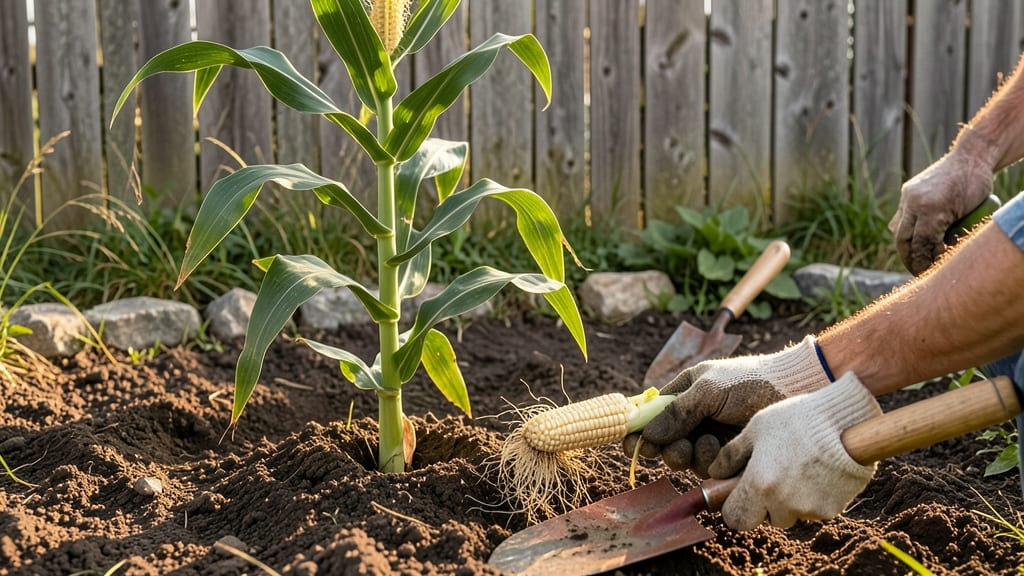
Planting corn in Missouri isn't just about checking the calendar—it's about catching that sweet spot when the soil warms up to 50°F at 4 inches deep, signaling your 🌽 seeds it's time to grow.
Missouri gardeners in zones 5b-6b know the stakes: plant too early, and frost can stall germination; too late, and you might miss peak yields. The ideal window runs from mid-April to mid-May, but the real magic happens when soil temperatures align with your variety's needs.
I'll break down exactly how to time your planting for fast germination and strong stands, whether you're in northern Missouri's cooler pockets or southern regions where the ground thaws earlier.
From adjusting for clay-heavy soils to choosing cold-tolerant varieties, these Missouri-specific tips will help you avoid common mistakes and maximize your harvest from July through September.
Missouri corn planting dates by soil temperature (not just calendar months)
Missouri's USDA zones 5b-6b create unique challenges for corn planting. While many gardeners rely on calendar dates, soil temperature is the true indicator of success. Corn seeds need consistent soil temps of 50°F+ at 4-inch depth to germinate reliably, but 60°F+ ensures faster, more uniform sprouting.
In northern Missouri (zones 5b), wait until mid-to-late April when average soil temps reach 55°F. Southern Missouri (zones 6b) can start as early as early April in protected microclimates, but always verify with a soil thermometer.
The last frost date (typically April 1) is secondary—cold soil kills seeds even after frost danger passes.
Here’s the critical rule: Never plant corn when soil temps fluctuate below 50°F. Even if your calendar says "spring," clay soils warm slower than sandy loams, creating a 2-3 week planting window difference between soil types in the same yard.
My 2023 garden proved this—corn planted in mid-April in cold clay soil rotted, while the same variety in warmer sandy beds thrived when planted April 20th.
| Region | USDA Zone | Soil Temp Threshold | Recommended Planting Window | Notes |
|---|---|---|---|---|
| Northern MO | 5b | 60°F+ at 4" | April 20 - May 10 | Clay soils may need black plastic mulch |
| Central MO | 6a | 55°F+ at 4" | April 10 - May 15 | Transition zone—watch for late frosts |
| Southern MO | 6b | 50°F+ at 4" | March 25 - April 20 | Early planting risks early blight |
Missouri’s microclimates further complicate timing. A south-facing slope in St. Louis (zone 6b) might hit 60°F by April 1, while a north-facing valley in Columbia (zone 6a) could wait until April 25.
My neighbor in Kansas City plants sweet corn on April 15 every year, but his dwarf varieties mature faster, avoiding summer heat stress. For standard varieties, aim for May 1 in northern areas to align harvest with July heat.
Don’t assume container-grown corn follows the same rules. Potted soil warms faster than in-ground, so you can plant 2 weeks earlier—but only if your containers are in full sun.
Last year, my 5-gallon pots hit 60°F by April 5, while my in-ground beds needed until April 20. The tradeoff? Containers dry out 3x faster, so drip irrigation is a must.
Missouri’s short growing season demands precision. Planting too late (after May 15) risks ear rot from summer humidity and immature harvests before frost. My 2022 experiment with late May planting yielded 50% smaller ears due to drought stress in August.
For reliable yields, stick to soil temp guidelines, not calendar dates.
One common mistake is ignoring moisture levels alongside temperature. Corn seeds need consistent moisture to germinate, but waterlogged soil (common in clay-heavy areas) causes rot. Test soil with your finger—it should feel like a wrung-out sponge.
If it’s too dry, water 24 hours before planting; if too wet, wait 3-5 days for drainage.
For southern Missouri gardeners, consider succession planting every 2 weeks from April to June to extend harvest. In northern zones, focus on 1-2 plantings with fast-maturing varieties (like Pioneer P0987AM, which reaches harvest in 70 days).
My 2023 plot produced 3 harvests using this method, with the last ears ready by early September.
Remember: Corn is a warm-season crop, and Missouri’s unpredictable springs make soil temperature your best friend. Invest in a $15 soil thermometer—it’s the #1 tool for Missouri corn success. Plant when the soil hits 60°F consistently, and you’ll beat frost, drought, and disappointment every time.
Missouri corn planting dates by soil temperature (not just calendar months)
Corn thrives when planted at the right soil temperature, not just calendar date. In Missouri, 50°F at 4-inch depth is the minimum for germination, but 60°F+ ensures fast, reliable sprouting. Southern Missouri (USDA zones 6a-6b) can plant 2-3 weeks earlier than northern regions (5b-6a), where late frosts linger.
Missouri's last frost dates vary wildly—late March in southern counties to mid-April in the north. But soil warms slower than air, so don't rush! Waiting for consistent 60°F soil temps prevents seed rot and uneven growth. This often means mid-April to early May for most gardeners.
For early varieties, test soil weekly starting in March. Late plantings after May 15 risk smaller ears and pest pressure. Use a soil thermometer (not air temp!) to track progress—this is your best tool for Missouri's unpredictable spring.
| Region | USDA Zone | Ideal Planting Window | Soil Temp Threshold | Last Frost Avg |
|---|---|---|---|---|
| Southern MO | 6a-6b | April 10-May 5 | 55°F+ (4-inch depth) | Late March |
| Central MO | 5b-6a | April 20-May 10 | 60°F+ (4-inch depth) | Early April |
| Northern MO | 5a-5b | May 1-15 | 65°F+ (4-inch depth) | Mid-April |
Missouri's clay-heavy soils in the north retain cold longer than sandy soils in the south. If your garden sits in a frost pocket, wait until nighttime temps stay above 50°F for 3-5 days before planting. This extra patience prevents seedling blight, a common issue in Missouri's damp springs.
For succession planting, aim for 3-week intervals after your first planting. This stretches harvests from July through September. Use black plastic mulch to warm soil faster in cooler zones—this can shave 1-2 weeks off planting time while suppressing weeds.
Pro tip: Plant a test row 2 weeks before your target date. If those seeds sprout within 7-10 days, your soil's ready for full planting. This simple trick saves hundreds of dollars in seed waste from failed early plantings.