
Plants
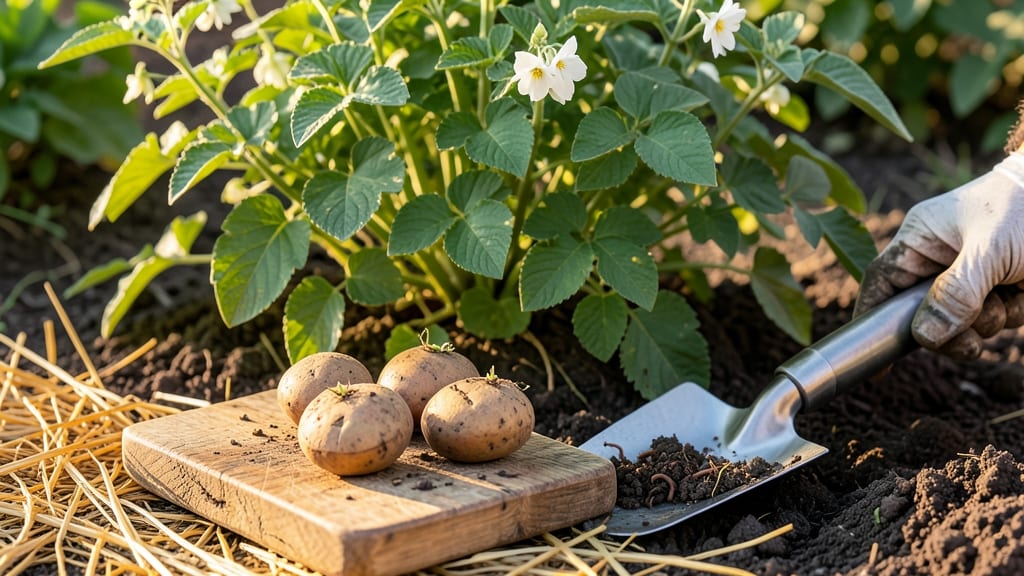
Planting potatoes in Indiana isn't just about tossing seed potatoes into the ground—it's about timing them perfectly to beat frost and maximize your harvest. With Indiana's Zone 6a climate, getting the window right means the difference between a thriving crop of 🥔 and wasted effort.
Most gardeners here plant between February and April, but the exact timing depends on your last frost date and soil temperature. Plant too early, and your potatoes could rot in cold soil; too late, and you might miss the ideal harvest window of June through August.
I'll walk you through the exact weeks before last frost you should plant, how to prepare your soil, and common mistakes to avoid. Whether you're growing early varieties or late-season potatoes, this guide ensures you don't miss a single harvest opportunity.
Let's dive into the best strategies for Indiana's unpredictable spring, so you can enjoy homegrown potatoes all season long.
Indiana potato planting schedule: exact weeks before last frost for Zone 6
Indiana’s Zone 6 climate demands precision when planting potatoes. The key is planting 4-6 weeks before your average last frost date, typically between March 15 and April 15 for most of the state. However, Indiana’s microclimates (urban vs. rural) can shift this window by 1-2 weeks.
For early-season varieties like Yukon Gold, aim for planting in late March—they mature in just 90 days. Mid-season varieties (e.g., Russet) should go in by early April, while late-season types (e.g., Kennebec) can wait until mid-April.
Soil temperature is critical: potatoes won’t sprout until the soil reaches 45°F (7°C). Use a soil thermometer to confirm—cold soil delays germination and invites rot. In northern Indiana, wait until April 1; in southern Indiana, late March works.
🌱
| Variety Type | Planting Window | Days to Maturity | Soil Temp Requirement | Indiana Notes |
|---|---|---|---|---|
| Early Season | Late March | 60-90 days | 45°F (7°C) | Best for northern Indiana; harvest by July 4th. |
| Mid Season | Early April | 90-110 days | 45°F (7°C) | Most Indiana-friendly; peak harvest in June-July. |
| Late Season | Mid-April | 110-120 days | 45°F (7°C) | Risk frost; use row covers if late. |
| Extended Season | Late April | 120+ days | 45°F (7°C) | For storage potatoes; harvest in August-September. |
To find your exact last frost date, check the USDA Plant Hardiness Zone Map or local Cooperative Extension Service data. For example, Gary (Zone 6a) averages April 15, while Bloomington (Zone 6b) is April 22.
For extended-season potatoes, plant late April and use black plastic mulch or straw bales to warm soil faster. This method adds 2-3 weeks to the growing season, ideal for storage varieties like Katahdin.
Pro tip: Chit your seed potatoes (expose to light for 2-3 weeks before planting) to jumpstart sprouting. This gives you a 2-week head start on growth, critical for Indiana’s short season.
If you’re unsure about your local microclimate, observe nearby gardens: when do daffodils bloom? That’s your cue—plant 2 weeks after they bloom for reliable results.
🌿
Indiana potato planting schedule: exact weeks before last frost for Zone 6
Indiana's Zone 6a climate means your potato planting window is tight—typically 4-6 weeks before your last frost date. For most of the state, this falls between March 15 and April 15, but exact timing depends on your county's average last frost (usually around April 15).
Early varieties can go in as soon as soil reaches 45°F (7°C), while late varieties need warmer soil.
I've planted potatoes in Indiana for years, and I've learned that rushing too early often leads to cold soil rot, while waiting too late risks shorter harvest seasons.
The key is balancing soil temperature with your variety's maturity time—early potatoes like 'Yukon Gold' need cooler soil, while 'Red Pontiac' thrives in warmer conditions.
| Variety Type | Planting Window | Soil Temp | Days to Harvest | Indiana Notes |
|---|---|---|---|---|
| Early (e.g., 'Early Red') | 4-5 weeks before last frost | 45-50°F (7-10°C) | 60-90 days | Best for early harvests; plant in late March. |
| Mid (e.g., 'Kennebec') | 3-4 weeks before last frost | 50-55°F (10-13°C) | 90-110 days | Most popular choice; plant in early April. |
| Late (e.g., 'Russet Burbank') | 2-3 weeks before last frost | 55-60°F (13-16°C) | 110-130 days | For storage potatoes; plant in mid-April. |
To find your exact last frost date, check the USDA Plant Hardiness Zone Map or use local resources like Purdue Extension. I always plant my 'Yukon Gold' potatoes around March 20 in southern Indiana, while northern counties like Gary wait until April 5 to avoid frost damage.
For extended harvests, I plant successive crops every 2 weeks in early spring.
Don't forget that Indiana's spring weather can be unpredictable. If you're unsure about soil temperature, use a soil thermometer—potatoes need consistently warm soil to sprout properly. I've had seasons where early planting led to blackleg disease because the soil stayed too cold for too long, so patience is key.
For gardeners in urban areas, container planting lets you start earlier in controlled conditions. Fill pots with well-draining soil and place them in a sunny spot—just be ready to transplant seedlings when soil warms. This method works especially well for 'Red LaSoda', which thrives in containers.
Remember: the goal is to have 60-120 days of growing time before your first frost in October. By planting at the right time, you'll ensure your potatoes mature before cold weather sets in—giving you a harvest from June through August and plenty of spuds for storage.