
Plants
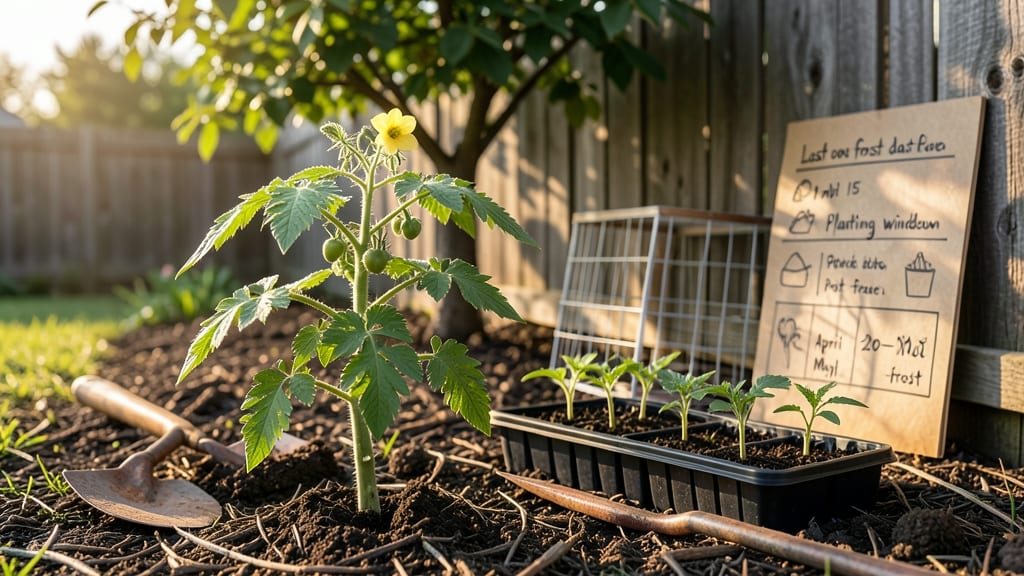
Timing when do you plant the tomatoes in Pennsylvania isn’t just about waiting for spring—it’s about outsmarting the state’s unpredictable frosts and short growing season.
With USDA Zone 5b-7a, you’ve got roughly 165 frost-free days, which means getting those seedlings in the ground at the right moment can make or break your harvest.
Most gardeners in PA start seeds indoors by mid-March, but the real magic happens when you transplant outdoors—typically between April 15 and June 1, once soil temperatures hit 60°F and nighttime lows stay above 50°F.
That window might seem tight, but cold-hardy varieties like 'Mountain Merit' or 'Stupice' can handle early planting with the right protection.
Here’s the game-changer: knowing your region’s last frost date (which can vary by 1-2 weeks from Pittsburgh to Philadelphia) and how to extend the season with row covers or black plastic mulch.
I’ll walk you through the exact steps—plus, how to avoid the most common mistakes that turn eager gardeners into frost victims.
Ready to turn your PA garden into a tomato powerhouse? Let’s dive into the planting schedule, variety picks, and pro tips that’ll keep your plants thriving from June through October—no matter what Mother Nature throws your way.
Pennsylvania tomato planting calendar: exact dates by region and last frost risks
Pennsylvania’s last frost dates vary dramatically across its USDA Zones 5b-7a, making a one-size-fits-all approach risky. In northern PA (Erie, State College), the average last frost hovers around May 15, while southern regions like Philadelphia and Pittsburgh often see frost-free conditions by April 25.
These differences mean your planting window could shift by 3 weeks—so check your local microclimate!
For seedlings, start indoors 6-8 weeks before your last frost date. That means March 15 for southern PA and April 1 for northern areas. Hardening off seedlings 10-14 days before transplanting is critical—PA’s spring can swing from 40°F mornings to 80°F afternoons in a single week.
Soil temperature is more important than air temperature—tomatoes need 60°F+ soil to thrive. Use a soil thermometer to confirm readiness, especially in clay-heavy soils common in central PA. Cold, wet soil can stunt roots and invite fungal diseases like damping-off.
Here’s your region-specific planting timeline based on historical frost data and soil warmth patterns:
| Region | Last Frost (Avg.) | Start Seeds Indoors | Transplant Outdoors | Backup Date |
|---|---|---|---|---|
| Southern PA (Philadelphia, Reading) | April 25 | March 15 | May 1 | May 15 |
| Central PA (Harrisburg, Lancaster) | May 5 | March 25 | May 10 | May 25 |
| Northern PA (Pittsburgh, Erie) | May 15 | April 1 | May 20 | June 1 |
| All Regions (Late Varieties) | N/A | April 15 | June 1 | June 15 |
Late plantings (after May 20) still work if you choose fast-maturing varieties like 'Early Girl' (60 days) or 'Mountain Merit' (70 days). These can produce fruit before first frost in October. For extra insurance, use row covers or plant near south-facing walls to trap heat.
PA’s first frost typically arrives October 15, but high-elevation areas (like the Poconos) can see frost as early as September 25. If you’re growing heirloom varieties with longer maturity dates, prioritize heat-tolerant types like 'Solar Fire' or 'Heatmaster.' These can handle 90°F+ temperatures without stress.
Pro tip: Bookmark the NOAA’s PA climate maps (https://www.ncei.noaa.gov/) for real-time frost alerts. Some years, a late-May frost can hit—so keep frost cloth handy for young plants. Even 32°F for 2 hours can damage seedlings, so monitor forecasts like a hawk!
For container growers, adjust timelines by 2 weeks earlier—pots warm up faster and can be moved to protected porches at night. Just ensure containers have drainage holes** to prevent root rot from PA’s frequent spring rains.
🌱
Cold-hardy tomato varieties for Pennsylvania: 5 best choices that survive early planting
Not all tomato varieties play well with Pennsylvania’s unpredictable spring chill. The key to success? Choosing cold-tolerant varieties that can handle early planting and even light frosts.
I’ve grown these five varieties in PA’s Zone 6 climate, and they consistently deliver—whether you’re planting in Pittsburgh’s cooler valleys or Philadelphia’s urban heat islands.
These varieties aren’t just frost-resistant; they’re also disease-resistant and adaptable to PA’s short growing season. For example, 'Mountain Merit' thrives in cooler temperatures and resists cracking—perfect for our 165 frost-free days.
Meanwhile, 'Stupice' (a Czech heirloom) can even set fruit at 50°F, making it ideal for early starts.
Pro tip: Pair these varieties with black plastic mulch or row covers to warm the soil faster and protect young plants. I’ve seen 'Cold Set' produce fruit even when nighttime temps dip to 45°F—though you’ll still want to cover them if frost is forecasted.
For container gardening in PA’s urban areas, 'Glacier' and 'Mountain Merit' are my top picks—they mature quickly and handle root confinement well. Just ensure your pots have drainage holes and use a lightweight potting mix to prevent waterlogging during our spring rains.
One mistake I see often? Planting heat-loving varieties like 'Celebrity' too early. These need consistent 70°F+ soil to thrive, and PA’s spring soil can stay cold for weeks. Stick to the cold-hardy list above, and you’ll avoid the heartbreak of wilted seedlings or stunted growth.
Ready to pick your variety? Grab seeds by mid-March for indoor starts, and don’t forget to harden off seedlings for 7-10 days before transplanting after your region’s last frost date. Your tomato harvest will thank you!