
Plants
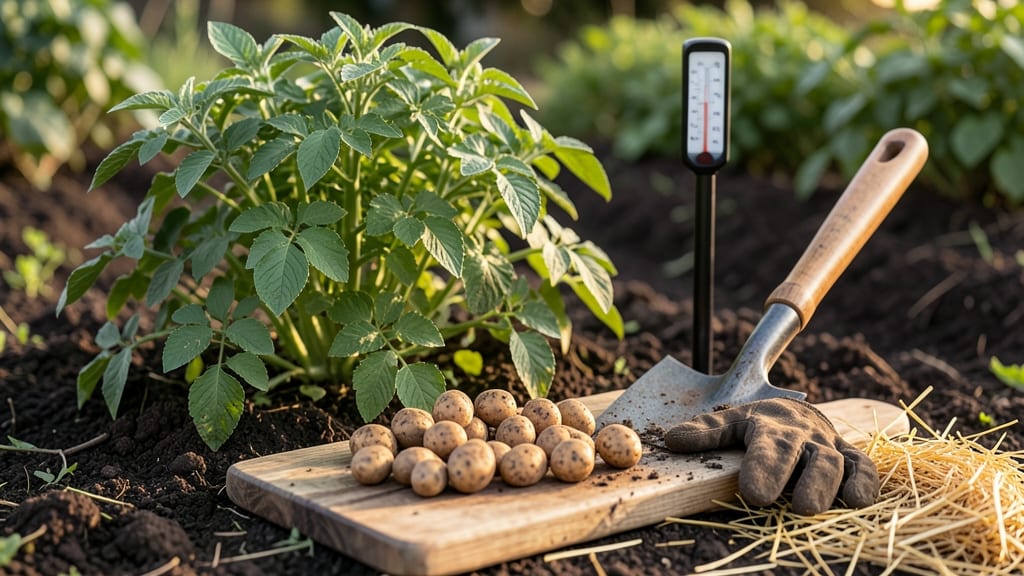
When is the best time to plant potatoes in Ohio? Timing your potato planting in Ohio can mean the difference between a bountiful harvest and a wasted effort—especially with USDA Zone 6a's tricky frost dates. If you've ever watched your 🥔 sprouts freeze overnight or struggled with soggy soil, you know how critical the right window is.
The key isn't just waiting for spring—it's planting when soil hits 45°F and frost is no longer a threat, typically 2-4 weeks before April 15.
But Ohio's unpredictable weather throws a wrench in the plan, which is why I'm breaking down the exact steps to time it perfectly, from soil prep to variety selection.
You'll discover how to read your soil's readiness, choose between early and late varieties, and even speed up warming with simple tricks. No more guessing games—just a foolproof plan to get your potatoes in the ground at the ideal moment for maximum yield.
Let’s dig into the details so you can skip the trial-and-error and start harvesting those golden spuds by summer’s end.
Ohio potato planting calendar: soil temperature tricks to avoid frost damage
Ohio’s USDA Zone 6a climate means frost can linger until mid-April, but potatoes need 45°F+ soil to thrive. I’ve planted spuds too early and lost them to frost—don’t make my mistake. The key is timing your planting to match soil temperature, not just air temperature.
Most Ohio gardeners aim for 2-4 weeks before the last frost date (typically April 15), but soil warms slower than air. Use a soil thermometer to confirm temps—45°F is your magic number.
If your soil is colder, delay planting or use black plastic mulch to warm it faster.
For early varieties like ‘Yukon Gold’, plant in late March when soil hits 45°F. Late varieties like ‘Kennebec’ can wait until early April for a longer harvest window. This flexibility helps you hedge against Ohio’s unpredictable spring.
Here’s my Ohio Potato Planting Timeline based on soil temps and frost dates:
Pro tip: If your soil is still too cold in April, try container growing. Fill pots with well-draining mix and place them in a sunny spot—containers warm up faster than garden beds. I’ve had great success with 5-gallon buckets for early plantings.
For northern Ohio (Zones 5b-6a), add 1-2 extra weeks to these timelines. Southern Ohio gardeners (Zones 6b+) can plant 1 week earlier. Always check your local frost-free date using the Old Farmer’s Almanac or NOAA for precision.
Remember: Potatoes hate heat. Planting too late means your crop will bolt or produce small tubers. Aim for 60-90 days to harvest before summer’s peak. If you miss the window, try fall planting in late August for a winter harvest—though yields are smaller.
🌱
Signs your Ohio soil is ready for potatoes (beyond the calendar)
Ohio’s spring soil can be a mystery—cool one morning, warm the next. While frost-free dates guide planting, your soil’s actual readiness depends on three key factors: temperature, moisture, and texture. Skip the guesswork by testing these before sticking those seed potatoes in the ground.
First, check soil temperature with a simple thermometer (or your elbow—if it’s too cold to keep buried for 5 seconds, wait). Potatoes thrive when soil hits 45°F (7°C).
In Ohio’s Zone 6a, this usually aligns with mid-to-late March or early April, but northern counties may need to wait until April 15 or later.
Next, assess moisture levels. Grab a handful of soil—if it crumbles easily when dry but holds shape when damp, it’s ideal. Too sandy? Amend with compost or peat moss to retain moisture.
Too clay-heavy? Add sand or aged manure to improve drainage. Waterlogged soil invites rot, so aim for soil that drains like a well-wrung sponge.
Here’s how to speed up soil warming if your plot is running late: Lay black plastic mulch 2–3 weeks before planting to absorb sunlight and raise temps by 5–10°F. Or, pile compost or straw in mounds where you’ll plant—microbes will generate heat as they break down organic matter.
- 🌡️ Temperature: Soil at 45°F+ (use a thermometer or elbow test)
- 💧 Moisture: Forms a loose ball when squeezed (not sticky or powdery)
- 🏗️ Texture: Drains water within 1–2 hours (no standing puddles)
- 🐛 Life Signs: Earthworms or insects are active (healthy soil = happy microbes)
- 🌱 Color: Dark brown/black (rich in organic matter); avoid gray or bright red (clay or poor drainage)
Pro tip: Plant early varieties like ‘Red LaSoda’ or ‘Yukon Gold’ if your soil is still chilly. These tolerate cooler temps better than late-season types like ‘Kennebec’. For extra insurance, use straw mulch after planting—it insulates roots from late frosts while keeping soil warm.
Once your soil passes these tests, it’s go time! Cut seed potatoes into 1.5-inch chunks (each with 2–3 eyes), let them sprout in light for 1–2 weeks, and plant them 4 inches deep in rows spaced 30 inches apart. Now watch those hills grow!