
Plants
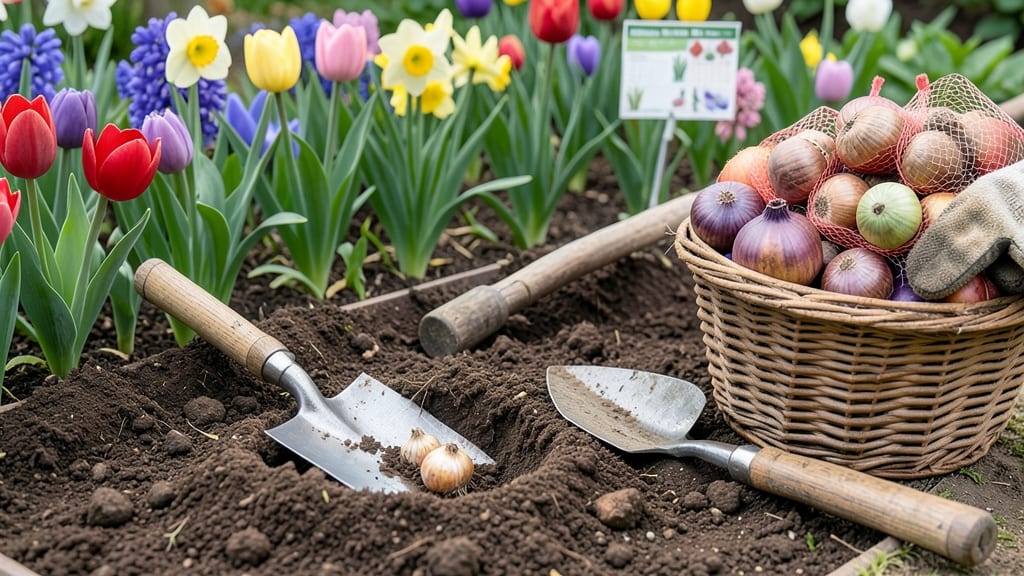
Got your heart set on those perfect spring blooms but planting your bulbs in the ground at the wrong time? That’s how you turn years of waiting into a missed opportunity.
The truth is, timing matters more than most gardeners realize—especially when it comes to 🌱 bulbs (General) in USDA Zone 6a.
If you’re in the majority of climates, fall planting is your golden ticket—6-8 weeks before frost gives roots time to establish before winter. But here’s the catch: spring planting works too, if you’re in a warmer zone or missed the fall window.
I’ll break down exactly when to plant for your specific conditions.
You’ll learn the critical differences between fall and spring planting, how soil temperature plays a role, and even how to adjust for regional variations. No more guessing—just foolproof timing for bulbs that’ll reward you with bold, beautiful blooms next season.
Ready to stop second-guessing and start planting with confidence? Let’s dive into the exact steps to get your bulbs in the ground at the perfect moment—no matter what time of year it is.
Fall planting for bulbs: the gold standard for most climates
If you’ve ever planted bulbs in late summer and wondered why they didn’t bloom, you’re not alone. The magic window for most bulbs—like tulips, daffodils, and hyacinths—is fall planting, specifically 6-8 weeks before hard frost.
This timing lets roots establish before winter, ensuring vibrant spring blooms instead of flopping stems. For USDA Zones 3-7, that’s usually October or early November, while Zone 8+ gardeners can plant until December.
Here’s the science: bulbs need cooler soil temperatures (below 60°F) to trigger root growth without encouraging top growth. It’s like putting them in a winter hibernation—they’ll wake up stronger in spring. Skip this step, and you risk weak roots or even frost damage to early sprouts.
Don’t rely on air temperature—soil thermometers are your best friend. Plant when soil hits 50-60°F. Pro tip: In Zone 5 or colder, aim for October 1st to give roots time to anchor before November’s first frost.
If your soil stays warm too long, bulbs may sprout early and get frost-nipped.
| Bulb Type | Fall Planting Window | Depth | Key Notes |
|---|---|---|---|
| Tulips | Oct 1–Nov 15 (Zones 3-7) | 6–8" | Needs chill period; plant early |
| Daffodils | Oct 15–Dec 1 (Zones 4-9) | 6–8" | Deer-resistant; blooms early |
| Hyacinths | Sep 15–Nov 1 (Zones 3-8) | 6" | Fragrant; plant in clusters |
| Crocuses | Sep 1–Oct 15 (Zones 3-9) | 3–4" | Early bloomers; great for lawns |
After planting, mulch with 2-3 inches of straw or shredded leaves to insulate bulbs. This protects against freeze-thaw cycles that can heave them out of the ground.
In Zone 9+, skip heavy mulch—bulbs may sprout too early. Water lightly after planting, but reduce watering in winter unless there’s a drought.
One costly mistake? Planting bulbs too shallow. Dig holes 2-3 times the bulb’s diameter deep (e.g., a 2-inch tulip bulb needs a 6-inch hole). Point the pointy end up—this ensures proper growth. Label your bulbs if mixing varieties to track bloom times and heights.
Fall-planted bulbs won’t bloom until next spring, but the wait is worth it. You’ll get healthier, longer-lived plants with bigger blooms. Missed the fall window? No problem—spring planting works for certain bulbs, but timing shifts dramatically. We’ll cover that in the next section! 🌷
Fall planting for bulbs: the gold standard for most climates
For 90% of gardeners in the U.S., fall is the best time to plant bulbs like tulips, daffodils, and crocuses. The key is planting 6-8 weeks before hard frost—this gives roots time to establish before winter dormancy.
In USDA Zones 3-7, that typically means October or early November, while Zone 8+ gardeners can wait until late November or December.
Cooler soil temperatures (60°F or below) trigger bulb roots to grow without encouraging top growth. This winter prep ensures stronger blooms next spring. Think of it like tucking your bulbs in for a cozy nap—they’ll wake up refreshed and ready to bloom.
Soil temperature is more critical than air temperature. Use a soil thermometer to confirm it’s below 60°F before planting. If your soil stays warm too long, bulbs may sprout early and get damaged by frost. Pro tip: Plant in well-draining soil to prevent rot during winter thaws.
| Bulb Type | Ideal Planting Time | Depth | Notes |
|---|---|---|---|
| Tulips | Oct-Nov (Zones 3-7) | 6-8" deep | Needs chill period; plant early |
| Daffodils | Oct-Nov (Zones 4-9) | 6-8" deep | Deer-resistant; blooms early |
| Hyacinths | Oct (Zones 3-8) | 6" deep | Fragrant; plant in clusters |
| Crocuses | Sep-Oct (Zones 3-9) | 3-4" deep | Early bloomers; great for lawns |
After planting, mulch with 2-3 inches of straw or leaves to insulate bulbs and regulate soil temperature. This protects against freeze-thaw cycles that can heave bulbs out of the ground. Avoid heavy mulch in Zone 9+, where winters are mild—bulbs may sprout too early.
One common mistake is planting bulbs too shallow. Always dig a hole 2-3 times the bulb’s diameter deep, with the pointy end up. For example, a 2-inch tulip bulb needs a 6-inch-deep hole.
This depth ensures stability and protects against rodents. Label your bulbs if planting in mixed beds to track varieties.
Remember, bulbs planted in fall won’t bloom until next spring, but that patience pays off with healthier, hardier plants. If you miss fall planting, don’t despair—spring planting is an option for certain bulbs, but with different timing rules. We’ll cover that next! 🌱