
Plants
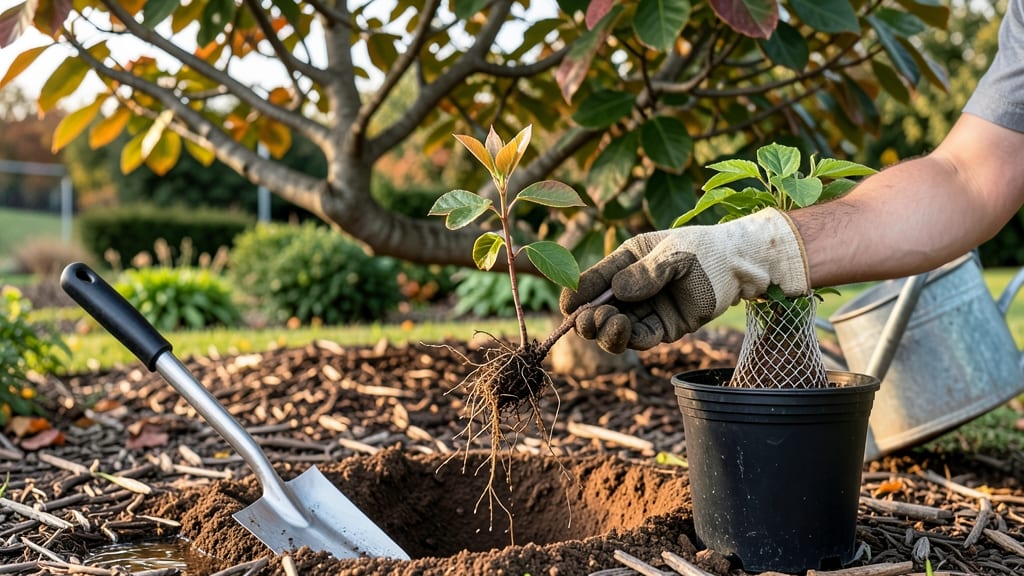
Timing your fall planting of a dogwood tree can make all the difference between a thriving 🌳 and one struggling to survive winter. The key isn't just about picking a month—it's about matching your local climate's chill hours with the right window before the ground freezes.
In USDA Zone 6a, where many gardeners live, the ideal time stretches from mid-October to early November. This gives your dogwood's roots 6-8 weeks to establish before winter sets in, which is exactly what they need to weather the cold months ahead.
Planting too early exposes delicate roots to heat stress, while waiting too late risks frost damage before they can take hold. The solution? Monitor soil temperatures (aim for 45-60°F) and watch native trees for fall color changes—a natural cue your dogwood is ready for its new home.
With the right preparation—amended soil, proper mulching, and smart staking—your fall-planted dogwood will reward you with vibrant blooms and lush foliage for years to come. Let's break down exactly how to get it right for your zone.
Optimal fall planting windows by USDA hardiness Zone
Fall planting gives dogwood trees a head start by letting their roots establish before winter dormancy. The key is matching your USDA hardiness zone with the right chill-hour requirements—the number of hours below 45°F your tree needs to thrive.
For most dogwood varieties like Cornus florida, aim for 600-900 chill hours, but timing shifts dramatically across regions.
In zones 5-7, where winters are cold but not extreme, plant dogwood trees 6-8 weeks before the first frost, typically in early to mid-October. This window ensures roots have 4-6 weeks to anchor before freezing.
For example, in Chicago (Zone 5b), the first frost usually hits October 25, so mid-September is ideal.
Southern gardeners in zones 8-10 have more flexibility due to milder winters. Plant 4-6 weeks before frost, often in late October to November. In Atlanta (Zone 7b), where frost arrives around November 15, early October planting works best.
However, avoid planting too late—exposed roots can freeze if the ground hardens before roots establish.
🌳 Fall Planting Timeline by USDA Zone
| Zone | Ideal Planting Window | Chill Hours Needed | Regional Example |
|---|---|---|---|
| 3-4 | Early September | 900+ hours | Seattle, WA (Zone 8) |
| 5-6 | Mid-September to early October | 700-900 hours | Denver, CO (Zone 5) |
| 7-8 | Late September to October | 600-800 hours | Raleigh, NC (Zone 7) |
| 9-10 | October to November | 400-600 hours | Miami, FL (Zone 10) |
💡 Pro Tip: Check your local cooperative extension service for precise frost dates in your area.
If you’re in a transition zone (like Zone 6b-7a), err on the earlier side. For instance, in St. Louis (Zone 6a)October 1 to avoid ground freezing before roots take hold. Conversely, in warmer microclimates (e.g., sheltered valleys), you might extend planting into early November.
For bare-root dogwoods, which are popular in fall, plant as soon as roots arrive—don’t let them dry out. If you’re using container-grown trees, you have slightly more flexibility, but still aim to plant 4-6 weeks before frost.
The goal is to give roots 4-6 weeks of cool, moist soil before winter dormancy.
One common mistake is planting too late, thinking "the tree will just wait." Dogwood roots need time to harden off and establish before winter. If planted too late, roots may freeze back, leading to poor growth the following spring.
Always prioritize root establishment over waiting for "perfect" conditions—cool but workable soil is ideal.
Another tip: Monitor soil temperature with a soil thermometer. Dogwood roots thrive in 45-60°F soil. If temps drop below 40°F, roots may struggle to grow. In northern zones, this might mean planting by early September to avoid cold soils.
Finally, consider your dogwood variety. Flowering dogwoods (Cornus florida) need more chill hours than Pacific dogwoods (Cornus nuttallii), which tolerate milder winters. Always match the variety to your local climate for the best results.
For example, Cornus kousa (Kousa dogwood) thrives in zones 5-8 with 500-800 chill hours.
By aligning your planting window with your USDA zone and chill-hour needs, you’ll set your dogwood up for strong root growth and vigorous spring flowering. Next, we’ll cover how to spot the perfect planting conditions—and warning signs you’ve planted too early or late. 🌱
Optimal fall planting windows by USDA hardiness Zone
Your dogwood tree’s success hinges on planting it 6-10 weeks before your first frost. In USDA Zone 6a, that’s typically mid-October to early November, but zones vary wildly—from late September in Zone 7b to early December in Zone 5a.
Each zone’s chill-hour requirements (hours below 45°F) also matter: Cornus florida needs 600-900 hours to bloom well.
For example, in the Pacific Northwest (Zones 7-9), you can plant as late as December if winters are mild, while in the Deep South (Zones 8-10), aim for October to avoid early freezes.
Always check your local last frost date—planting too late leaves roots vulnerable to winter kill.
Here’s how to align your timing with your zone’s unique conditions for a thriving dogwood:
| USDA Zone | Ideal Planting Window | Chill Hours Needed | Soil Temp Goal (°F) |
|---|---|---|---|
| 3-5 (Cold Climates) | Late August to mid-September | 900+ hours | 45-55°F |
| 6a-7a (Temperate) | Mid-October to early November | 600-900 hours | 50-60°F |
| 7b-9 (Mild Winters) | Late October to December | 400-600 hours | 55-65°F |
| 10+ (Tropical) | November to January | 200-400 hours | 60-70°F |
Pro tip: Use a soil thermometer to confirm your soil is 50-60°F—this signals roots can grow without heat stress. In Zone 6a, I’ve found that planting by October 15th gives roots enough time to establish before ground freezes, even if winter arrives early.
Regional tweaks matter too. In the Southeast, where humidity lingers, plant in October to avoid fungal risks from wet soil. Meanwhile, in dry climates like Arizona (Zone 8b), extend planting to November to take advantage of cooler temps.
Don’t overlook microclimates—a north-facing slope may freeze earlier than your yard’s average. When in doubt, observe nearby native dogwoods: if their leaves are turning but haven’t fallen yet, it’s prime planting time.