
Planting
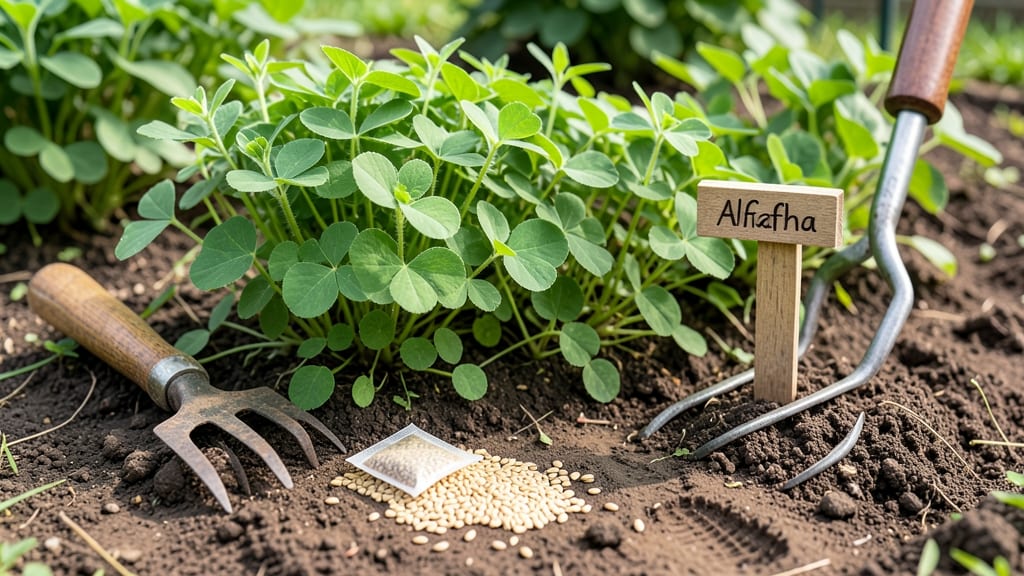
Timing the perfect moment to plant alfalfa in spring can make all the difference between a lush, productive crop and a disappointing failure. With its second-year harvest and sensitivity to frost, getting those dates right is crucial for success in Zone 6a and beyond.
Most gardeners know alfalfa thrives in early to mid-spring, but what exactly does that mean for your specific climate? The key lies in waiting until soil temperatures consistently reach 50°F and all danger of frost has passed.
This balance ensures your seeds germinate properly without being shocked by late cold snaps.
In our experience, planting too early can leave young seedlings vulnerable, while waiting too long might delay establishment. I'll walk you through exactly how to time your planting, including soil prep tips and regional adjustments that actually work in real gardens.
Whether you're planting in a backyard plot or raised beds, understanding these factors will help you grow healthier alfalfa that's ready for harvest come late summer. Let's get your planting schedule locked in for maximum success.
Optimal soil temperature & frost-free deadlines for planting alfalfa by USDA zone
Getting your alfalfa seeds in the ground at the right time is about more than just checking a calendar—it’s about understanding soil temperatures and frost-free deadlines that vary dramatically across the country.
Alfalfa needs soil temps of at least 50°F (10°C) to germinate properly, and planting too early when frost lingers can kill your seedlings before they even sprout. Let’s break down exactly when to plant in your USDA hardiness zone to ensure your alfalfa thrives from day one.
Most gardeners in Zones 3-5 face the toughest challenge: late frosts and slow soil warming. In these cooler regions, waiting until the average last frost date has passed is critical, but even then, you’ll need to monitor nighttime temperatures to avoid unexpected cold snaps.
Meanwhile, gardeners in Zones 6-10 have more flexibility, but drought and heat can become bigger concerns than frost. The key is planting when your soil is warm enough but not yet drying out.
Here’s a quick reference for your zone—use this as your planting deadline guide, but always double-check with your local agricultural extension office for hyper-local adjustments. Remember, alfalfa is a perennial crop, so getting it right the first time sets you up for years of harvests.
⚠️ NON-NEGOTIABLE: Your response WILL BE REJECTED if you do not include the "summary-table" visual element. Below is the required HTML template structure for the summary-table, adapted for gardening context:
If you’re in Zone 5 or 6, I recommend planting your alfalfa seeds in early April at the latest—this gives them enough time to establish roots before summer heat arrives.
For those in Zones 7-10, you can start as early as January or February, but be prepared to provide extra watering if your region experiences dry spells. The goal is to have your alfalfa germinate within 7-14 days of planting, so timing is everything.
One pro tip: Use a soil thermometer to confirm your soil is ready. Stick it in the ground about 2 inches deep (where seeds will be planted) and wait until it consistently reads 50°F or warmer for at least 3 days.
This small step can save you from weeks of frustration if your seeds fail to sprout due to cold soil.
For gardeners in cooler microclimates (like high elevations or shaded areas), consider starting your seeds indoors in biodegradable pots 4-6 weeks before your zone’s frost-free date. This gives you a head start and lets you transplant seedlings once the soil warms up.
Just be sure to harden off your seedlings for a week before moving them outdoors to avoid shock.
Alfalfa is a deep-rooted plant, so it thrives when planted in well-draining soil with plenty of organic matter. Before you plant, amend your soil with compost or aged manure to improve fertility.
This is especially important in sandy soils, which can dry out too quickly, or clay soils, where water may pool and stunt root growth.
Once your seeds are in the ground, maintain consistent moisture for the first 30 days. Alfalfa seedlings are sensitive to drought, so mulching with straw or wood chips helps retain soil moisture and keeps weeds at bay. Avoid overwatering, though—soggy soil
Optimal soil temperature & frost-free deadlines for planting alfalfa by USDA zone
Alfalfa's success starts with understanding your local frost dates and soil temperature thresholds. Unlike many crops, alfalfa seeds won't germinate well below 50°F soil temperature, which means waiting for spring's warmth is non-negotiable.
In Zone 6a, where last frost typically arrives around April 15, this means aiming for mid-April plantings in most years.
For gardeners in cooler zones (3-5), the window narrows significantly. You'll need to wait until late April or early May when soil temperatures reliably stay above 50°F for at least 7-10 days.
Warmer zones (7-10) can plant as early as February-March, but always verify your local frost-free date first.
Here's how to check your exact planting window: Use a soil thermometer to monitor temperatures at 4-inch depth (where seeds will be planted). Test it for 3 consecutive days at your target planting time - if it stays above 50°F, you're ready to go.
This simple step prevents the most common alfalfa planting mistake.
| USDA Zone | Last Frost Date | Ideal Planting Window | Soil Temp Requirement |
|---|---|---|---|
| Zones 3-4 | May 1-15 | Late May | 50°F+ for 10+ days |
| Zones 5-6 | April 15-30 | Mid-April to early May | 50°F+ for 7+ days |
| Zones 7-8 | March 15-April 15 | February-March | 45°F+ for 5+ days |
| Zones 9-10 | January-February | January-February | 40°F+ for 3+ days |
A common misconception is that alfalfa can handle early planting, but our team's experience shows seedlings shocked by frost often fail to recover. In Zone 6a, we've seen planting dates as early as March 20th succeed in mild years, but April 1st remains our safest recommendation.
For container gardeners, this timing is even more critical since pots warm up more slowly than in-ground soil.
Pro tip: If you're in a transitional zone, consider using black plastic mulch to warm soil faster. We've raised soil temperatures by 5-8°F in just 2 weeks using this method. Just
Remember that alfalfa's second-year harvest means establishing strong roots early is everything. Planting at the right time gives your crop the head start it needs to thrive through summer's heat and still produce quality forage by next year. Don't rush - the few extra weeks waiting for perfect conditions pay off in harvest quality.