
Trees
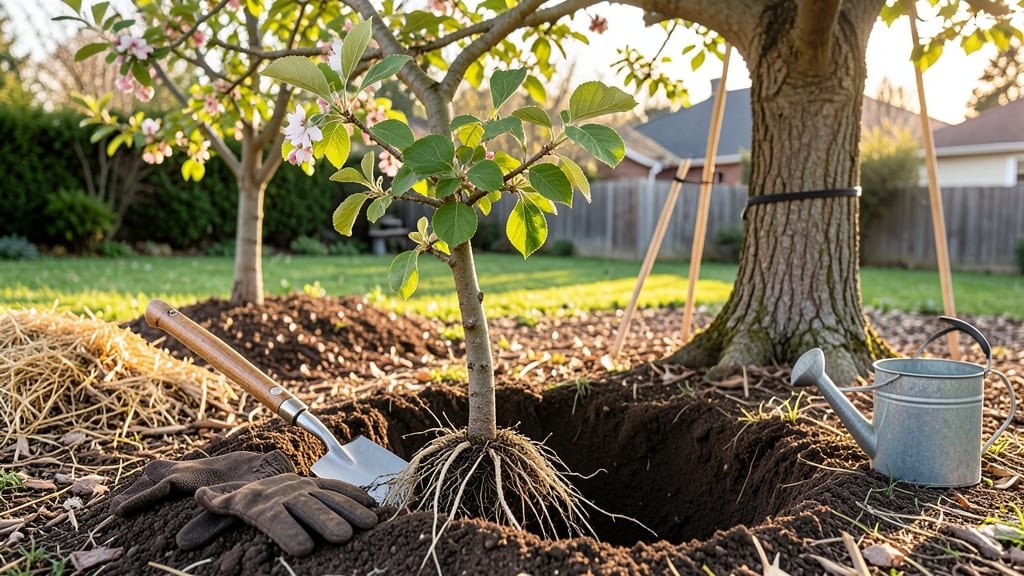
Planting an apple tree 🍎 in England at the wrong time could mean the difference between a thriving orchard and years of disappointment. The best window for planting—late autumn to early spring—aligns with nature’s rhythm, giving roots time to settle before the growing season kicks in.
Why does timing matter so much? Because England’s climate varies dramatically by region—from mild coastal areas to cooler inland zones—each with its own frost risks and soil conditions.
I’ll break down exactly when to plant based on where you live, so you can avoid common mistakes like early spring frost damage or waterlogged roots.
Whether you’re planting bare-root saplings or container-grown trees, this guide covers everything you need to know. We’ll explore the ideal months for your area, the best apple varieties for your climate, and how to prepare your soil for maximum success.
Ready to grow a fruitful apple tree? Let’s get started with the critical steps to planting at the perfect time for your English garden.
Best months to plant apple trees in England by climate zone
England’s diverse climate means the best time to plant apple trees varies by region. From mild coastal areas to cool northern zones, understanding your local frost patterns and soil temperatures is key to success.
Planting outside these windows can lead to root stress or frost damage before your tree establishes.
In most of England, the ideal planting window spans from late autumn (November) to early spring (March). This period allows roots to establish before active growth begins in spring.
For bare-root trees, winter planting is especially effective, as the dormant roots focus energy on root growth rather than foliage.
The UK’s USDA zones 7-9 generally align with England’s climate, but microclimates—like sheltered valleys or exposed hilltops—can shift your optimal planting month by weeks. For example, Cornwall and Devon may plant safely into April, while Yorkshire or Scotland should aim for November-December to avoid early spring frosts.
Soil temperature is another critical factor. Roots need consistent temperatures above 5°C (41°F) to thrive. In cooler regions, planting in late autumn ensures roots avoid winter freeze-thaw cycles, which can damage tender new growth.
Warmer southern areas can extend planting into early spring, but avoid planting after mid-March to prevent drought stress during summer.
Mild Coastal Zones (e.g., Cornwall, Devon) can plant until April, thanks to their milder winters and later frosts. These areas benefit from longer root establishment periods before summer heat arrives. However, even here, planting after mid-April risks summer drought stress for young trees.
Temperate Central Zones (e.g., London, Midlands) should focus on November-January planting. This balances frost risk and soil moisture, as winter rains help roots settle. Planting in February-March is possible but riskier—watch for late frosts, which can damage emerging shoots.
Cool Northern Zones (e.g., Yorkshire, Scotland) demand earlier planting (November-December) to avoid harsh winters and early spring frosts. These regions often see shorter growing seasons, so establishing roots before March is crucial for first-year survival. Use mulch heavily to insulate roots from temperature swings.
| Climate Zone | Best Planting Months | Soil Temp Requirement | Frost Risk | Key Tip |
|---|---|---|---|---|
| Mild Coastal (Cornwall, Devon) | November - April | 5°C+ (41°F+) | Low (late frosts rare) | Plant until mid-April for longest root growth window. |
| Temperate Central (London, Midlands) | November - January | 5°C+ (41°F+) | Moderate (late frosts in March) | Avoid February-March; use mulch to protect roots. |
| Cool Northern (Yorkshire, Scotland) | November - December | 4°C+ (39°F+) | High (early spring frosts) | Plant bare-root trees in winter; add extra mulch. |
For container-grown apple trees, the rules relax slightly. These trees can be planted up to May in milder zones, as their roots are less sensitive to transplant shock.
However, they still need consistent moisture during establishment. Water deeply 2-3 times per week for the first month to encourage root spread into the surrounding soil.
Regardless of your region, always avoid planting in summer. The intense heat and drought conditions of June-August can cause transplant shock, where young roots struggle to adapt. If you miss the autumn-winter window, wait until early autumn (September) to give roots time to settle before winter dormancy.
Pro tip: Check your local Met Office frost forecasts before planting. Areas like East Anglia often experience sharp frost drops in March, while West Country regions may stay frost-free until April. Timing your planting just 2-4 weeks before the last expected frost maximizes root growth without risking damage.
🌱
How to choose the right apple tree variety for your planting season
Selecting the right apple tree variety is just as important as timing your planting. Different varieties thrive in specific seasons, and some even require cross-pollination for fruit production. For England’s climate, I recommend choosing between early, mid-season, and late varieties to spread out your harvest and ensure success.
Early varieties like Cox’s Orange Pippin or Discovery ripen in August-September, making them perfect if you plant in late autumn or winter. These varieties are hardy and adapt well to England’s cooler regions.
Meanwhile, late varieties like Braeburn or Fuji mature in October and are ideal for spring planting in milder coastal areas.
| Variety | Season | Pollination | Best Planting Month |
|---|---|---|---|
| Cox’s Orange Pippin | Early | Self-pollinating | November-March |
| Braeburn | Late | Cross-pollination | March-April |
| Discovery | Early | Self-pollinating | November-February |
| Fuji | Late | Cross-pollination | March-April |
If you’re planting in cooler northern regions, opt for dwarf varieties like Egremont Russet or Herefordshire Russet. These varieties are cold-hardy and thrive in USDA zones 7-8, perfect for areas like Yorkshire or Scotland. Dwarf trees also make it easier to manage fruit production in smaller gardens.
For milder coastal areas like Cornwall or Devon, consider semi-dwarf varieties such as Greening or Golden Delicious. These varieties perform well in warmer microclimates and can be planted slightly later in the season, even into early spring if frost risk is low. Always check local frost dates before planting.
Don’t forget to consider rootstock size—M9 is ideal for dwarf trees, while MM106 supports standard-sized trees. Matching your rootstock to your garden space and variety ensures healthy growth and better fruit yields.
For container planting, use M26 or M9 rootstocks, which stay compact and are perfect for urban gardens.
Finally, if you’re planting in early spring, prioritize varieties that bloom late to avoid late frost damage. Late-blooming varieties like Bramley’s Seedling or Granny Smith are excellent choices for March-April planting in most of England. Always research your specific variety’s bloom time before committing to a purchase.