
Plants
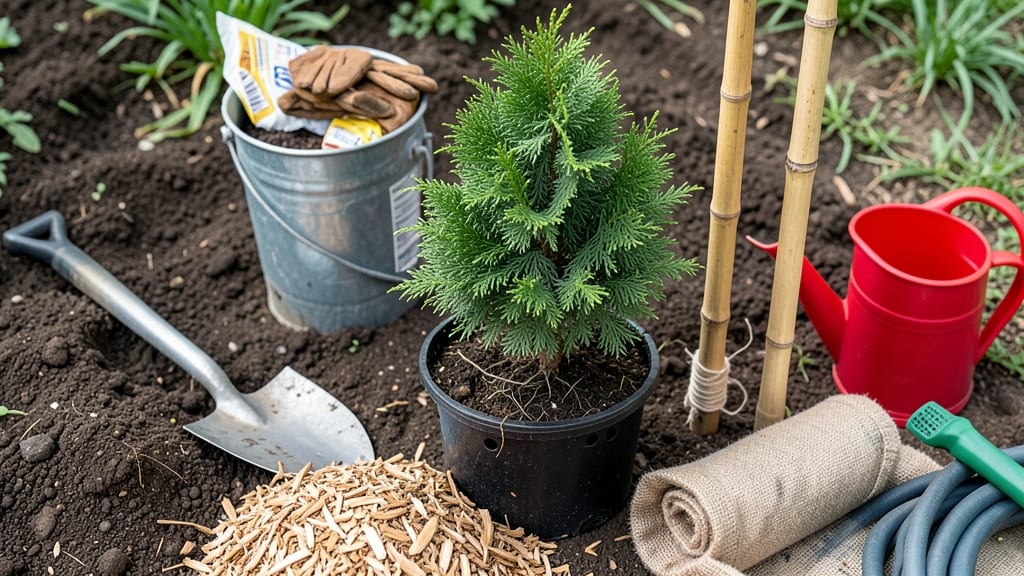
Timing your arborvitae planting in Ohio could mean the difference between a thriving 🌲 hedge and a struggling shrub that never quite takes off. The key isn't just picking a random month—it's understanding how Ohio's USDA Zone 6a climate dictates when roots can establish safely before winter's chill.
Most gardeners in Ohio swear by two windows: early spring (March-April) when the soil warms but frost risks fade, or fall (September-October) when temperatures cool but before the ground freezes. These periods give your arborvitae the perfect 6-8 weeks to settle in before harsh weather arrives.
But here's the catch: planting too early risks transplant shock from lingering cold, while waiting too late can leave your evergreen struggling to root before winter dormancy. I'll show you exactly how to time it right—whether you're working with bare-root plants or containers—to give your arborvitae the best possible start.
From soil prep to post-planting care, we'll cover everything you need to know to avoid common mistakes and ensure your arborvitae grows strong and healthy for years to come. Let's get those roots in the ground the right way.
Ohio’s frost-free zones: how climate affects arborvitae planting months
Ohio’s USDA hardiness zones 5-7 create a unique challenge for arborvitae planting—too early, and frost burns young roots; too late, and roots struggle to establish before winter. Most of Ohio falls in Zone 6a, where last frosts average April 15 and first frosts hit October 15.
This 160-day frost-free window narrows your ideal planting to just two 2-month windows per year.
Arborvitae thrive when planted during cooler shoulder seasons—either early spring (March-April) or fall (September-October). Spring planting gives roots 6-8 weeks to establish before summer heat, while fall planting avoids summer drought stress and lets roots settle before winter dormancy.
Southern Ohio (Zone 6b-7) can stretch spring planting slightly later, but northern areas (Zone 5b) must plant earlier in March to avoid frost.
Your microclimate matters. Urban areas like Columbus may experience heat islands that delay last frosts, while rural areas like Toledo might see earlier frosts. Check your local frost dates using the National Weather Service or Old Farmer’s Almanac for precise timing.
Even a 2-week difference can mean the difference between thriving and struggling arborvitae.
Here’s how Ohio’s zones break down for arborvitae success:
| USDA Zone | Last Frost | First Frost | Best Planting Window | Key Risk |
|---|---|---|---|---|
| Zone 5b (Northeast OH) | April 5-15 | October 5-15 | March 15-April 15 or September 15-October 5 | Late spring frosts |
| Zone 6a (Central OH) | April 15-30 | October 15-30 | March 30-April 30 or September 15-October 15 | Summer drought |
| Zone 6b-7 (Southwest OH) | May 1-15 | November 1-15 | April 15-May 15 or September 15-November 1 | Humidity stress |
Spring planting in Ohio gives arborvitae critical root growth time before summer’s heat. Aim to plant 4-6 weeks before your last frost date—this gives roots 60+ days to establish before soil temps exceed 70°F.
For example, in Columbus (Zone 6a), plant between March 30 and April 15 for optimal success. Use bare-root seedlings in early spring—they establish faster than container-grown plants.
Fall planting works because arborvitae enter dormancy naturally by late October. Plant 6-8 weeks before first frost (typically September 15-October 15 in most of Ohio) to allow roots to harden off before winter.
Avoid planting after October 15—roots won’t have enough time to establish before ground freezes. Container-grown arborvitae are your best bet for fall planting—they’re less stressed than bare-root varieties.
Ohio’s variable weather patterns mean you must monitor soil temperatures, not just air temps. Use a soil thermometer to ensure temps stay above 50°F for spring planting and below 60°F for fall planting.
If you plant too early and face a late frost, protect young plants with frost cloth or burlap wraps. Conversely, planting too late in fall risks root freeze before dormancy sets in.
Pro tip: Mulch heavily after planting—3-4 inches of wood chips insulates roots in both spring and fall. This retains moisture in summer and protects from temperature swings in shoulder seasons.
In Zone 5b areas, add an extra 2 inches of mulch for winter protection. Just avoid piling mulch against the stem to prevent rot.
🌱
Step-by-step planting timeline for Ohio’s spring vs. fall seasons
Ohio’s spring and fall planting seasons offer the best conditions for arborvitae to establish roots before winter. Let’s break down the exact steps for each season to ensure your evergreens thrive from day one.
For spring planting, aim for early March to mid-April when soil temperatures reach 45°F or warmer. This timing gives roots 6-8 weeks to grow before summer heat arrives.
If you plant in late April or May, prioritize container-grown arborvitae over bare-root, as they handle transplant shock better in warmer soil.
Fall planting works best from mid-September to early October, allowing roots to settle before the ground freezes. Avoid planting in late October or November, as cold snaps can stress young plants before dormancy sets in.
🌱 Visual Guide: Below is your actionable planting timeline for Ohio’s climate, including soil prep, transplanting, and aftercare.
🌱 Spring Planting Timeline (March - April)
- 📅 Early March: Test soil pH (aim for 6.0-7.0) and amend with compost if needed.
- 💧 Mid-March: Water bare-root plants in a bucket for 2-3 hours before transplanting.
- ✂️ Late March: Prune damaged branches and dig holes twice as wide as the root ball.
- 🌿 Early April: Plant container-grown arborvitae 1 inch deeper than their pot level.
- ☀️ Mid-April: Mulch with 2-3 inches of wood chips to retain moisture.
🍂 Fall Planting Timeline (September - October)
- 📅 Mid-September: Choose a partially shaded spot to reduce stress from afternoon sun.
- 🌡️ Late September: Soak bare-root plants for 4-6 hours before planting.
- 🪴 Early October: Plant container-grown arborvitae at the same depth as their pot.
- 💧 Mid-October: Water deeply once a week until the first frost.
- 🌧️ Late October: Apply 3 inches of mulch to insulate roots from winter cold.
After planting, whether in spring or fall, focus on consistent moisture and light fertilization. In spring, apply a balanced 10-10-10 fertilizer in early April, while fall-planted trees benefit from a light feed in September to boost root growth before dormancy.
For container-grown arborvitae, adjust your timeline by 2-3 weeks later than bare-root plants. Containers retain moisture longer, so they handle slightly warmer soil temperatures better but still need protection from late frosts.
🌿 Pro Tip: If you miss the ideal windows, late summer (August) is a backup option for container-grown arborvitae. Just be prepared to water daily and protect from heat stress with shade cloth.