
Plants
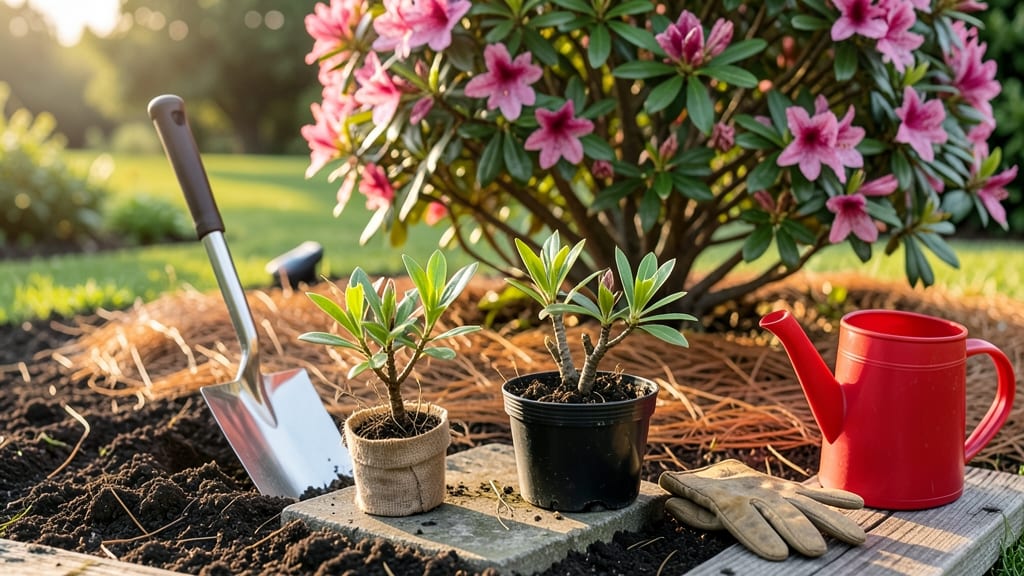
Timing your azalea planting in Ohio isn't just about picking a month—it’s about matching your 🌸 shrubs to the state’s unpredictable chill hours and frost dates.
Plant too early, and you risk losing delicate roots to winter’s bite; too late, and summer’s heat can stress your new shrubs before they take hold.
Most Ohio gardeners swear by early spring (March–April) or early fall (September–October) as the sweet spots, but the real secret lies in your USDA Zone.
If you’re in Zone 6a (like much of central Ohio), you’ll want to align your planting with the 150–450 chill hours your azalea variety craves—because getting this wrong means fewer blooms next spring.
I’ve planted dozens of azaleas across Ohio’s microclimates, and the difference between a thriving shrub and a struggling one often comes down to one simple rule: never plant when the ground’s still frozen or when temps hover above 80°F.
That means skipping summer entirely and avoiding late fall’s first frost sneaks.
Ready to turn your Ohio yard into a riot of spring color? Let’s break down the exact windows, soil prep tricks, and variety picks that’ll have your azaleas blooming like they’re in a nursery catalog—not just surviving another Ohio winter.
Ohio azalea planting timeline by chill-hours and hardiness Zones
Ohio’s USDA Zones 5-7 create unique challenges for azalea planting, where chill-hour requirements dictate success. Southern Ohio (Zones 6-7) thrives with 500-900 chill-hours, while Northern Ohio (Zone 5) needs 1,200-1,500 chill-hours for reliable blooms. The best planting windows align with soil temperatures and dormancy cycles.
For fall planting (September-October), aim for 6-8 weeks before first frost (typically mid-October in Ohio). This gives roots time to establish before winter dormancy. Spring planting (March-April) works too, but requires soil temperatures above 45°F to prevent root shock.
Your Ohio county matters—Cincinnati’s milder winters suit Southern azaleas, while Cleveland’s colder snaps demand Northern varieties. Always check your last frost date (April 15 statewide) and first frost date (October 15 in most areas).
| Zone | Chill-Hours | Best Planting Window | Soil Temp Threshold | Key Varieties |
|---|---|---|---|---|
| 5 (Northern OH) | 1,200-1,500 | Early fall (Sept 15-Oct 15) or late spring (Apr 15-May 15) | ≥45°F | 'Nova Zembla', 'PJM' |
| 6 (Central OH) | 900-1,200 | Fall (Sept 1-Oct 30) or early spring (Mar 15-Apr 15) | ≥40°F | 'Girard’s Pink', 'Hershey Red' |
| 7 (Southern OH) | 500-800 | Late fall (Oct 1-Nov 15) or late winter (Feb 15-Mar 15) | ≥35°F | 'Carolina Gem', 'Sweet Sixteen' |
Fall planting offers 60% better survival rates in Ohio because cool soils reduce transplant shock. For container-grown azaleas, remove 1/3 of the root ball to encourage outward root growth—critical for Ohio’s clay-heavy soils. Always water deeply after planting to settle soil around roots.
Spring planting requires soil preparation in winter. Work in peat moss or pine bark fines to improve drainage, and test pH (4.5-6.0)—Ohio’s limestone-rich soils often need sulfur amendments. Avoid planting in summer heat (June-August), as high temperatures stress roots.
Ohio’s microclimates create local variations. Urban areas like Columbus may experience 2°F warmer winters than rural areas, affecting chill-hour accumulation. Use local weather data from the Ohio State University Extension to fine-tune your timing.
After planting, apply 2-3 inches of mulch (pine straw or wood chips) to retain moisture and regulate soil temperature. In Zone 5, protect young plants with burlap wraps during extreme cold snaps (<20°F). This simple step can double winter survival rates.
Monitor your azaleas’ new growth timing—spring flush should appear 4-6 weeks after planting. Delayed growth signals stress from poor timing or soil issues. Adjust future plantings based on these observations.
For container-grown azaleas, plant 1-2 weeks earlier in fall or 1-2 weeks later in spring than bare-root varieties. Their established root systems handle temperature fluctuations better, making them ideal for Ohio’s variable springs.
How to choose azalea varieties that thrive in Ohio’s climate
Ohio’s diverse climate means not all azaleas will thrive equally—some varieties need fewer chill-hours for Southern Ohio, while others require more cold exposure for Northern zones. The right choice depends on your USDA Zone (5-7) and whether you want early spring blooms or late-season color.
Southern Ohio gardeners (Zones 6-7) should prioritize Southern Indica azaleas, which bloom later and tolerate milder winters. Northern Ohio (Zones 5-6) benefits from Knaphill hybrids, bred for higher chill-hour needs and earlier flowering. Let’s match your location to the perfect azalea!
| Variety | Chill-Hours Needed | Bloom Time | Best Ohio Zone |
|---|---|---|---|
| Rhododendron 'Girard’s Pink' | 300-500 | Early April | 6-7 (Southern OH) |
| Rhododendron 'Carolina Gem' | 700-900 | Late April | 5-6 (Northern OH) |
| Rhododendron 'Hershey's Red' | 500-700 | Mid-May | 6 (Central OH) |
| Rhododendron 'Bow Bells' | 900+ | Early May | 5 (Far Northern OH) |
For Southern Ohio (Zones 6-7), focus on Southern Indica azaleas like 'Girard’s Pink' or 'Southern Charm'. These varieties bloom earlier and handle warmer winters better. In Northern Ohio (Zones 5-6), opt for Knaphill hybrids like 'Carolina Gem' or 'Bow Bells'—they need more chill-hours to trigger blooms.
Pro tip: If you’re in Central Ohio (Zone 6), mix varieties like 'Hershey’s Red' for mid-season color or 'Pink Icing' for late blooms. Always check the chill-hour range on the nursery tag—it’s the #1 predictor of success in Ohio’s variable climate!
Remember, fall-planted azaleas establish roots before winter, while spring-planted ones focus on blooming. Choose based on your planting timeline and local microclimate—urban areas may need hardier varieties than rural spots.
Once you’ve picked your azalea, amend the soil with peat moss or pine bark to lower pH (aim for 4.5-6.0). Mulch heavily with pine needles to retain moisture and acidity—this is non-negotiable for Ohio’s alkaline native soils.