
Plants
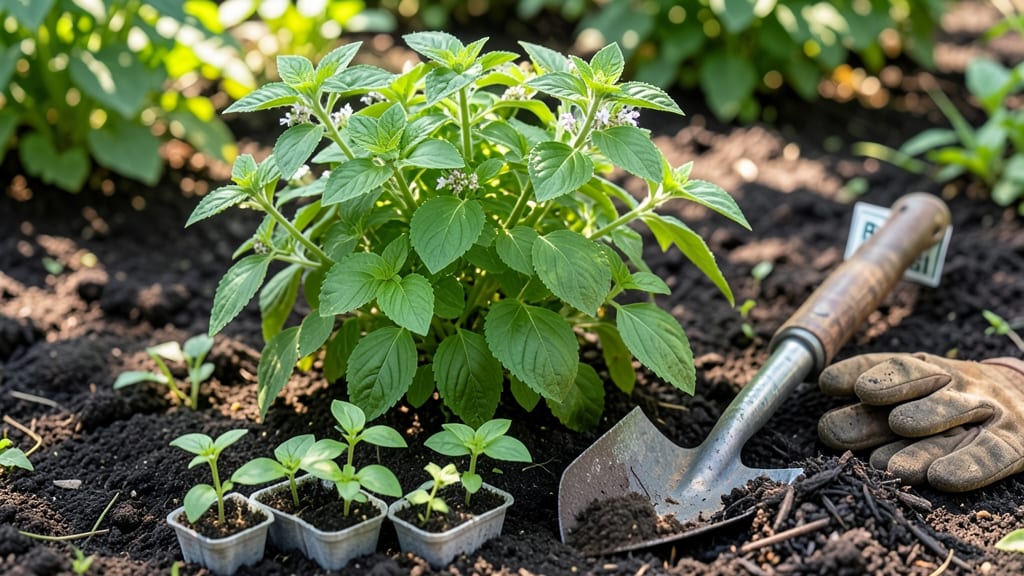
Timing your basil planting in Michigan can mean the difference between a thriving herb garden and a lost investment—especially when frost sneaks in unexpectedly. Whether you're a seasoned gardener or just starting, knowing the exact window for planting basil 🌿 ensures you maximize your harvest from June through October.
Michigan’s 5b-6b climate zones create unique challenges, like unpredictable last frost dates that can vary from mid-April to early May.
But don’t worry—this guide breaks down the precise steps to start basil indoors by March 15 or transplant outdoors after May 1, so you’re never caught off guard by Mother Nature.
You’ll discover how to prepare your soil, protect young plants from late frosts, and even extend your basil’s growing season well into fall. No more guessing games—just actionable advice tailored to Michigan’s unpredictable weather patterns.
Let’s dive into the frost-free timeline that’ll help you grow the most flavorful basil your garden has ever seen—without the stress of timing mistakes.
Michigan basil planting timeline by USDA hardiness zones (5 & 6)
Michigan’s USDA Zones 5b-6b create a unique challenge for basil growers—too early, and frost zaps tender seedlings; too late, and you’ll miss peak harvest season. The key? Planting after your region’s last frost date while ensuring soil temperatures stay above 50°F.
Southern Michigan (Zone 6) typically warms faster than the Upper Peninsula (Zone 5), so I’ll break it down by zone to help you pinpoint the perfect window.
Basil thrives as an annual in Michigan, meaning you’ll replant each spring. But with the right timing, you can extend harvests into late September or October before the first frost hits. Let’s start with the critical frost-free dates that determine when to plant basil in your specific Michigan microclimate.
🌱 Did You Know? Michigan’s last frost dates can vary by 2-3 weeks between southern Lower Michigan and the northern UP. Always check your local Almanac’s frost calendar or use a frost-free date map for precision.
| Zone | Avg Last Frost | Ideal Planting Window | Soil Temp Threshold | Harvest Window |
|---|---|---|---|---|
| Zone 5b (Northern MI, UP) | Mid-May | Late May to early June | 50°F+ | July to early September |
| Zone 6a (Southern MI) | Early May | Mid-April to early May (indoors) or late May (outdoors) | 50°F+ | June to October |
| Zone 6b (Southeast MI) | Late April | Early April (indoors) or late April (outdoors) | 50°F+ | May to November |
For Zone 5b gardeners in the Upper Peninsula, I recommend starting basil seeds indoors by March 15 to give seedlings a head start. Transplant them after May 20 when soil temperatures consistently stay above 50°F.
In Zone 6a-6b, you can sow seeds directly outdoors after April 15 if using row covers for frost protection.
Basil seeds germinate best in warm soil (70-85°F), so I always use a seedling heat mat if starting indoors. For direct sowing, wait until nighttime temperatures stay above 55°F to avoid seed rot.
In Michigan’s unpredictable spring, I’ve learned to plant a few extra seeds as a backup—frost can strike even after the "official" last frost date.
Pro tip: Use a soil thermometer to confirm soil temps before planting. Basil roots struggle in cold, soggy soil, so I often wait an extra week if the ground feels chilly. Patience here means healthier, bushier plants with fewer pests.
Once your basil is planted, it typically takes 45-60 days to reach harvest size. In Michigan, this means June plantings will give you leaves by late July, while May plantings can yield basil as early as June.
The earlier you plant, the longer your harvest season stretches—just be prepared to protect plants from late frosts in September.
For succession planting, sow new seeds every 2-3 weeks until July 15 to ensure a continuous supply. This works especially well in Zone 6b, where the growing season is longer. In colder Zone 5b areas, I limit succession planting to May and June for the best results.
Remember, Michigan’s first frost typically arrives in mid-October, but early frosts can sneak in as soon as September 15 in northern regions. Plan to harvest basil leaves before flowering occurs, as this reduces flavor and makes plants more susceptible to disease.
With the right timing, you can enjoy fresh basil in pesto, salads, and sauces all summer long!
Michigan basil planting timeline by USDA hardiness zones (5 & 6)
Michigan’s USDA Zones 5b-6b create a unique challenge for basil growers—frost dates can shift by weeks depending on your location. In Zone 5b (northern Michigan), the average last frost date is around May 1, while Zone 6b (southern Michigan) typically sees frost-free conditions by April 15.
These differences mean your planting window could vary by three weeks, so knowing your exact zone is critical.
For direct sowing outdoors, wait until soil temperatures reach at least 50°F and nighttime temperatures stay above 55°F. This usually aligns with late April to early May in most of Michigan.
If you’re starting indoor seedlings, begin them 6-8 weeks before your last frost date—so by March 15 in Zone 6b or April 1 in Zone 5b.
| Zone | Last Frost Date | Start Indoors | Transplant Outdoors | Harvest Window |
|---|---|---|---|---|
| Zone 5b (Northern MI) | May 1 | April 1 | May 15 | June–October |
| Zone 6b (Southern MI) | April 15 | March 15 | April 30 | June–October |
🌱 Key: Adjust dates 1-2 weeks earlier if you use row covers or later if frost warnings persist.
Even after the official last frost date, Michigan’s weather can be unpredictable. I always keep frost cloth on hand for the first two weeks after transplanting, especially in Zone 5b where late frosts are more common.
This extra protection ensures your basil seedlings survive and grow into strong, flavorful plants ready for harvest by early June.
For direct sowing, plant seeds ¼-inch deep in well-draining soil after the last frost. Space them 12-18 inches apart to allow for air circulation, which reduces the risk of fungal diseases in Michigan’s humid summers.
If you’re transplanting seedlings, harden them off for 7-10 days before moving them outdoors to avoid shock.
Remember, basil is a warm-season herb that thrives in temperatures between 70°F and 85°F. Planting too early in cool soil can stunt growth, so always check soil temperatures with a soil thermometer before committing.
In Zone 6b, you might even get a second harvest in late summer if you start a new batch in early July.
By following this zone-specific timeline, you’ll avoid the heartbreak of lost seedlings and enjoy a bountiful basil harvest from June through October—just in time for fresh pesto and summer cooking. The key is patience and preparation, especially in Michigan’s variable climate. 🌿