
Plants
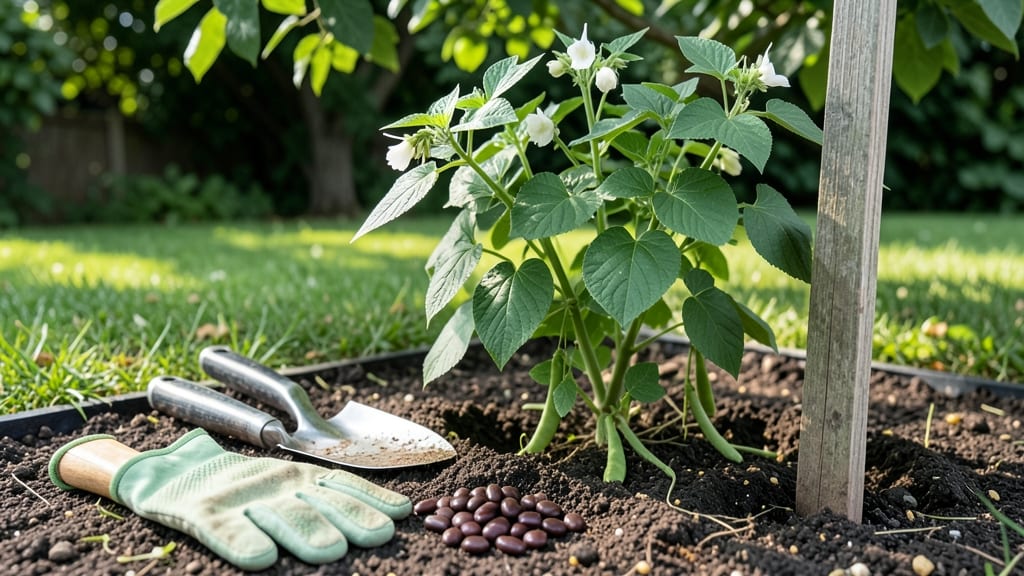
Knowing when to plant beans in Massachusetts can mean the difference between a bountiful harvest and wasted effort. The wrong timing leaves your 🌱 vulnerable to frost, while planting too late cuts your growing season short.
With USDA Zone 6a conditions and unpredictable spring weather, getting it right takes more than just checking a calendar.
Most Massachusetts gardeners wait until after the last frost—typically mid-April—but soil temperature matters just as much. Beans need warm soil (60°F+) to germinate, which often means waiting until late May in cooler inland areas.
Coastal regions can start earlier, but even a few degrees too cold can stall your crop.
In this guide, I’ll break down the exact planting windows for your region, whether you’re growing bush beans or pole varieties. You’ll learn how to read soil temperatures, adjust for microclimates, and even extend your harvest with smart techniques. Let’s make sure your beans thrive from seed to table.
From April 15 to June 1, Massachusetts offers a narrow but critical window for planting beans. The key? Paying attention to both frost dates and soil warmth—two factors that often don’t align.
With the right approach, you can maximize your yield and enjoy fresh beans from July through September.
Massachusetts bean planting calendar: soil temperature thresholds by region
Massachusetts’ diverse climate means your bean planting timeline depends heavily on where you garden. The coastal regions (like Cape Cod and the South Shore) warm up faster than inland areas (Pioneer Valley, Worcester) or Western MA (Berkshires).
For all areas, the golden rule is wait until soil temperatures hit 60°F+—cold soil stunts germination. Use a soil thermometer or this rule of thumb: when lilacs bloom, it’s safe to plant in most zones.
Here’s how to adjust your planting schedule by region. The last average frost date in Massachusetts ranges from April 15 (coastal) to May 10 (Western MA). But don’t rely solely on dates—soil warmth is your true guide.
For example, Boston’s Back Bay might see 60°F soil by mid-April, while Springfield often waits until late April or early May.
Beans are warm-season crops, meaning they won’t tolerate frost. Even a light freeze after planting can kill seedlings. That’s why succession planting (sowing every 2 weeks) is key—it stretches your harvest from July through September.
Start with early-maturing varieties (50–60 days to harvest) for the earliest crops, then move to longer-season types (70+ days) as summer progresses.
🌱Pro Tip: If you’re eager to plant early, try black beans or pinto beans—they’re slightly more cold-tolerant than green beans. But avoid pole beans until soil is consistently above 65°F, as they struggle in cooler conditions.
| Region | Last Frost Date | Safe Planting Window | Soil Temp Threshold | Notes |
|---|---|---|---|---|
| Coastal (Cape Cod, South Shore) | April 15 | April 20 – May 10 | 60°F+ (earlier for black beans) | Warmer microclimates; watch for salty soil near roads. |
| Eastern MA (Boston, Worcester) | April 25 | May 1 – May 15 | 60°F+ (verify with soil thermometer) | Urban areas may heat up faster; raised beds warm sooner. |
| Central/Western MA (Pioneer Valley, Berkshires) | May 10 | May 15 – May 30 | 65°F+ (pole beans need this) | Higher elevations delay warming; use black plastic mulch. |
If you’re in Zone 6a (most of Massachusetts), aim to have your beans established before June 1. After that, summer heat can stress plants, especially if they’re water-deprived. Succession plant every 2 weeks until July 15 to ensure a continuous harvest.
For late-season varieties, plant by August 1—they’ll mature just before the first frost (October 15).
💡Local Resource: Check the UMass Extension’s frost date maps for your specific town. Some areas, like Nantucket, can plant 2 weeks earlier than Boston due to coastal influences. Always test your soil—a simple moisture meter ($10 at garden centers) prevents costly mistakes.
For container gardening, beans thrive in 5-gallon pots but need daily watering in summer. Plant bush beans in containers—they’re more compact. If you’re using row covers, you can plant 2 weeks earlier in spring, but remove them once flowers appear to prevent overheating.
Just be ready to re-cover at night if frost threatens in late summer.
🌿Warning: Avoid planting beans where tomatoes, peppers, or other nightshades grew last year—they share diseases. Instead, rotate with corn, cucumbers, or peas to improve soil health. And never plant beans in the same spot two years in a row—it depletes nitrogen.
Finally, track your local microclimate. A sunny south-facing wall can add 2–3°F of warmth to your soil, letting you plant 5–7 days earlier. Use black landscaping fabric under seeds to absorb and retain heat—it’s a gardener’s secret weapon for cooler springs.
Best bean varieties for Massachusetts gardens and their planting windows
Choosing the right bean varieties for Massachusetts isn’t just about flavor—it’s about matching your planting window to the variety’s tolerance for your region’s spring chill and summer heat.
Coastal areas like Barnstable County can start planting pole beans as early as mid-April, while inland zones like Pittsfield should wait until late May when soil hits 60°F+. The wrong variety in the wrong spot means slower growth or even failed germination.
For bush beans, which mature faster (50-60 days), I recommend Blue Lake or Provider—both thrive in MA’s short season. Pole beans, like Kentucky Wonder or Rattlesnake, need more time (60-75 days) but produce longer into fall.
Heirloom varieties such as Romano or Scarlet Runner add diversity but require warmer soil, so save them for June plantings.
Here’s how to align your variety with your Massachusetts microclimate for maximum success:
If you’re in Western Massachusetts, where nights stay cooler, opt for early-maturing bush beans like Provider to avoid late-summer heat stress. Coastal gardeners can experiment with Scarlet Runner for a late-season harvest, but be prepared to protect them with row covers if frost threatens by October 15.
For container gardening, dwarf varieties like Mascotte (bush) work well but still need 6+ hours of sun daily.
Pro tip: Test your soil temperature with a soil thermometer before planting—beans won’t germinate below 60°F, even if frost risk has passed.
In Zone 6a, this often means waiting until late May for inland areas. Succession planting every 2 weeks after your first sowing ensures a steady supply from July through September.
Don’t overlook companion planting to boost yields. Pair beans with corn and squash (the "Three Sisters" method) to improve soil nitrogen and deter pests like Mexican bean beetles. Avoid planting near onions or garlic, which can stunt bean growth.
With the right variety and timing, your Massachusetts bean harvest could stretch well into fall—just don’t let late frosts catch you off guard!