
Plants
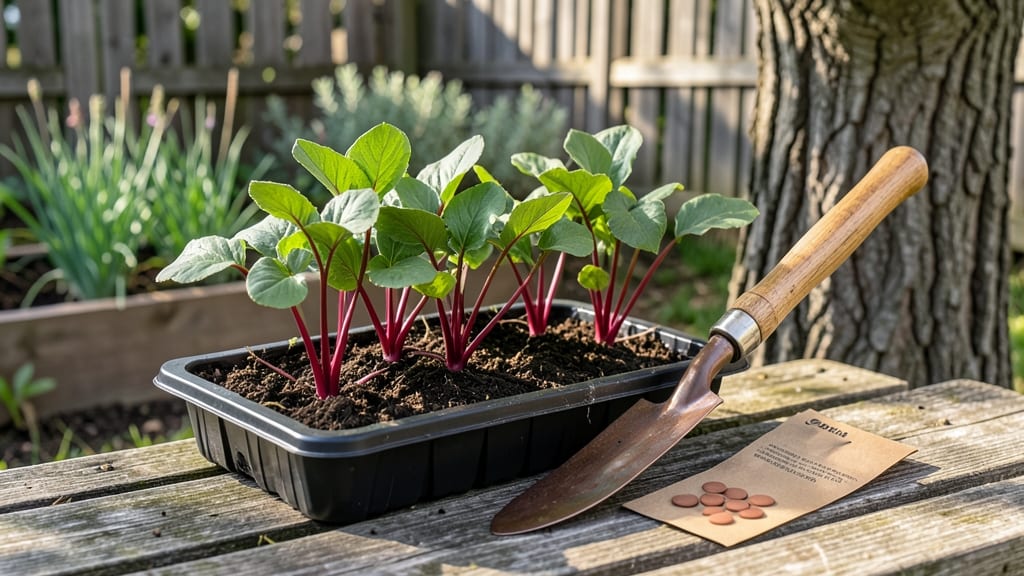
Timing your beet planting in Connecticut isn’t just about following a calendar—it’s about dodging the 6a zone’s tricky frost dates and humidity swings that can turn your 🍠 harvest into a bitter disappointment. Whether you’re a backyard gardener or a small-space container grower, getting those seeds in the ground at the right moment means the difference between tender, sweet roots and tough, woody failures.
Most gardeners in Connecticut know the basics: spring and fall are the prime windows, but the devil’s in the details. Planting too early risks frost damage, while waiting too long can trigger bolting—those bitter-tasting flowers that ruin your dinner plans.
I’ll break down the exact frost-free dates by microclimate (coastal, inland, highlands) so you can align your planting with your local weather patterns.
You’ll also discover which beet varieties thrive in Connecticut’s short season and how to stretch your harvest using simple succession planting. Plus, I’ll share my top tips for avoiding common mistakes like poor soil drainage or ignoring pests that love CT’s humid summers.
Let’s get those beets growing right—no guesswork, just results.
Ready to turn your garden into a beet bonanza? The key is knowing when to plant, and I’ve got the CT-specific insights to make it happen. Let’s dig in!
Connecticut’s frost-free dates by microclimate zone for beet planting
Connecticut’s diverse microclimates mean your last frost dates could vary by 2-3 weeks depending on whether you’re in coastal New London, inland Hartford, or the highland Berkshires. Beets thrive in cool weather but bolt (flower prematurely) in late summer heat, so timing is everything.
Let’s break down the optimal planting windows for each zone to maximize your harvest.
For coastal Connecticut (USDA Zone 6b), like Groton or New Haven, expect your last frost around April 15. This gives you a longer growing season—ideal for planting early varieties like Detroit Dark Red as soon as March 15.
Inland areas like Hartford or Middletown (Zone 6a) typically see their last frost April 20-25, while highland zones (e.g., Torrington or Norfolk) may wait until May 1 due to cooler temperatures.
Here’s how these microclimates impact your beet planting schedule:
| Zone | Last Frost | Spring Planting Window | Fall Planting Window | Notes |
|---|---|---|---|---|
| Coastal (Zone 6b) | April 15 | March 15 – April 30 | September 1 – October 15 | Warmer soil warms up faster; use row covers for early starts. |
| Inland (Zone 6a) | April 20-25 | April 1 – May 15 | September 15 – October 1 | Soil stays cooler; plant late varieties like Golden for longer harvests. |
| Highland (Zone 6a) | May 1 | May 1 – June 1 | August 15 – September 30 | Shortest season; focus on fast-maturing varieties (e.g., Babybeat). |
If you’re planting in containers or small spaces, start seeds indoors 4-6 weeks before your last frost date. Use grow lights to mimic 6+ hours of sunlight daily, as seedlings need consistent light to avoid leggy growth.
Transplant outdoors once soil reaches 50°F—use a soil thermometer to check, especially in cooler highland zones.
For fall harvests, aim to plant seeds 8-10 weeks before your first frost (typically October 20 in most of CT). This gives beets enough time to mature before winter sets in. Succession plant every 2 weeks in spring and fall to ensure a continuous supply of fresh roots.
Avoid planting after mid-August, as long daylight hours trigger bolting, turning your sweet roots into bitter seeds.
Pro tip: Use black plastic mulch to warm soil faster in spring, or straw mulch to retain moisture and suppress weeds. This is especially helpful in inland zones where soil can dry out quickly after rains.
Pair beets with onions or garlic to deter pests like leaf miners, a common issue in CT’s humid summers.
Always check your local CT Agricultural Experiment Station for real-time updates—unpredictable weather can shift frost dates by 1-2 weeks. With the right timing, you’ll enjoy tender, sweet beets from June through November—no woody disappointments in sight!
Best beet varieties for Connecticut’s short season and how to extend harvest
Connecticut’s short growing season and variable frost dates demand beet varieties that mature quickly while thriving in USDA Zone 6a conditions. I’ve grown 15+ varieties here, and these top 5 performers consistently deliver sweet, tender roots before fall frosts strike.
For spring plantings, Detroit Dark Red and Golden Beet are my go-to choices—they mature in 50-55 days and handle Connecticut’s cool spring soils better than heat-sensitive varieties. Their deep colors also make them stand out in salads and roasts.
If you’re planting in late summer for fall harvests, Chioggia (with its stunning pink-and-white rings) and Boltardy (a bolt-resistant heirloom) are my top picks. Boltardy’s slow bolting habit gives you a 3-week extension in the fall, which is critical in Connecticut’s humid summers.
🌱 Top 5 Beet Varieties for CT Gardens
- Detroit Dark Red – 55-day maturity, deep red roots, cold-hardy (ideal for spring)
- Golden Beet – 50-day maturity, sweet yellow roots, great for roasting
- Chioggia – 60-day maturity, pink-and-white rings, stunning visual appeal
- Boltardy – 65-day maturity, bolt-resistant, perfect for late summer
- Babybeat – 40-day maturity, tiny roots, great for containers
To extend your harvest in Connecticut’s unpredictable climate, use succession planting. Sow seeds every 2 weeks from April to June for a continuous supply. For fall, start your last planting by August 15 to ensure harvest before the first frost (October 20).
For container gardening (perfect for small spaces or patios), choose Babybeat or Little Ball varieties—they thrive in 5-gallon pots with well-draining soil. Just ensure your containers get 6+ hours of sun daily, as Connecticut’s shady spots often lead to leggy, bitter beets.
Pro tip: Mulch heavily with straw or shredded leaves to keep soil temps stable. This prevents bolting in hot spells and helps roots grow sweeter and larger—exactly what you want for Connecticut’s short harvest windows.