
Plants
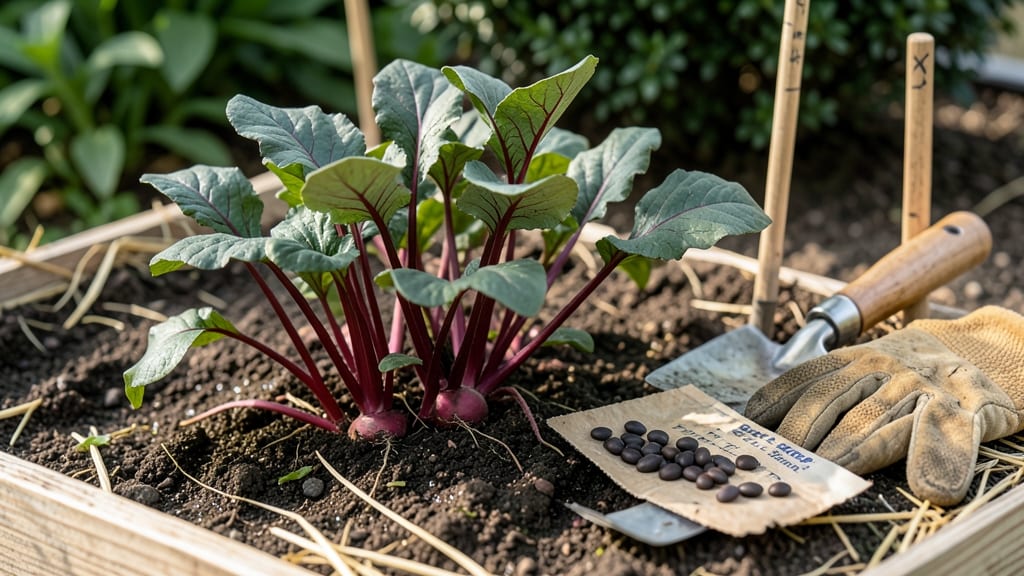
Timing your beet planting in Kentucky can mean the difference between a bountiful harvest and wasted effort. The key window for planting 🍠 in Zone 6a is narrow—get it wrong, and you might face stunted growth or bitter-tasting roots.
But don’t worry: with the right schedule, you can enjoy fresh, tender beets from spring to fall.
Kentucky’s mild climate gives you two prime opportunities: early spring (March-April) and late summer (July-August). Planting too early risks frost damage, while waiting too long can trigger bolting—when beets send up flower stalks instead of growing roots.
I’ll walk you through the exact frost-free deadlines for your region and how to adjust for Kentucky’s unpredictable weather.
You’ll also discover the best beet varieties for Kentucky’s heat and humidity, plus soil prep tips to ensure your plants thrive. Whether you’re a seasoned gardener or just starting, these strategies will help you grow sweet, plump beets all season long.
Let’s dive into the perfect planting schedule so you can enjoy homegrown beets from June through November—without the guesswork.
Best planting windows for beets in Kentucky Zone 7a/7b
Kentucky’s Zone 7a/7b climate offers two prime windows for growing beets: early spring and late summer/fall. Timing these correctly ensures you avoid frost damage and heat-induced bolting. For most of Kentucky—including Lexington, Louisville, and Bowling Green—your frost-free dates typically fall between mid-March and mid-November.
Let’s break down the ideal planting schedule to maximize your harvest.
Spring planting is the most popular choice because it aligns with soil warming trends. Beets thrive when soil temperatures reach 45–50°F, which usually happens by mid-to-late March in Kentucky.
If you plant too early, cold soil can stunt germination or cause rot. Conversely, waiting until April ensures better success, especially in cooler microclimates like the Cumberland Plateau region.
For fall planting, aim for late July to early August. This gives beets enough time to mature before the first frost, which typically hits Kentucky around mid-to-late November. Fall-planted beets often produce sweeter roots because cooler temperatures slow their growth, concentrating sugars.
However, if summer temperatures soar above 85°F, beets may bolt prematurely—more on this in the next section.
Here’s a quick reference for your Kentucky beet planting calendar, tailored to Zone 7a/7b:
If you’re in northern Kentucky (closer to Zone 6), push spring planting back to late March or early April to avoid late frosts. Meanwhile, gardeners in southern Kentucky (like Bowling Green) can start as early as mid-February under row covers or in a greenhouse.
Always check your local USDA frost map or use a soil thermometer to confirm conditions before planting.
For succession planting, sow new seeds every 2–3 weeks during spring and fall windows. This ensures a continuous harvest and reduces the risk of bolting from overcrowding.
For example, if you plant your first batch in mid-March, follow up with seeds in late March, early April, and mid-April to stagger maturity.
One common mistake Kentucky gardeners make is planting beets too close to summer’s peak heat. Beets are cool-season crops, so they struggle when daytime temperatures exceed 80°F.
To mitigate this, choose shade-tolerant varieties like ‘Detroit Dark Red’ or use shade cloth (30–50%) during the hottest hours. This extends your fall planting window by 2–3 weeks.
Pro tip: Test your soil pH before planting—beets prefer 6.0–7.0. Amend with compost or lime if needed, as Kentucky’s clay-heavy soils often lean acidic. Well-drained, loose soil prevents forked roots and ensures sweet, tender harvests.
Mulch with straw or grass clippings to retain moisture and suppress weeds, which is especially critical during Kentucky’s humid summers.
Finally, don’t overlook container gardening for beets. If your yard has poor soil or limited space, grow beets in 5–6 inch deep pots filled with a light, sandy mix. This method gives you more control over soil conditions and extends your planting season by 1–2 months on either end.
With these Kentucky-specific deadlines and tips, you’re ready to plant beets for a bountiful, frost-free harvest. Next, we’ll tackle how to handle Kentucky’s unpredictable weather—like late frosts and heatwaves—to keep your beets thriving from seed to table. 🌱
Best planting windows for beets in Kentucky Zone 7a/7b
Kentucky’s Zone 7a/7b climate gives you two ideal windows to plant beets: early spring and late summer. The last frost date typically falls around March 15 in most regions, while the first frost arrives by November 15. To avoid frost damage or heat-induced bolting, time your planting carefully.
For spring plantings, start seeds indoors 4-6 weeks before your last frost or sow directly in the garden by mid-April. This ensures your beets mature before summer heat sets in.
If you miss this window, don’t worry—late summer plantings (July-August) work too, as long as you harvest before fall frosts arrive.
🌱 Kentucky Beet Planting Schedule
| Season | Planting Window | Soil Temp | Harvest Time |
|---|---|---|---|
| Spring | Mid-March to Mid-April | 50°F+ | June-July |
| Late Summer | July-August | 60°F+ | October-November |
Note: Adjust for microclimates—higher elevations (e.g., Eastern KY) may need later plantings.
In Lexington and Louisville, where summers are hot and humid, focus on early spring plantings to avoid bolting. For Bowling Green’s warmer climate, you can push late summer plantings into early August. Always test your soil temperature—beets need at least 50°F soil to germinate well.
Pro tip: Use row covers for early spring plantings to protect seedlings from unexpected late frosts. This extends your growing season by 2-3 weeks, giving you an earlier harvest. Just remove covers once temperatures stay above 55°F consistently.
For a continuous harvest, stagger plantings every 2 weeks in spring and every 3 weeks in fall. This ensures fresh beets all season long without overwhelming your garden space. Pair this with succession planting for a steady supply from June through November.
Remember, Kentucky’s unpredictable weather means flexibility is key. Monitor forecasts and adjust your planting timeline if late frosts or heatwaves threaten. With the right timing, you’ll enjoy homegrown beets that are sweeter and more tender than store-bought varieties.