
Plants
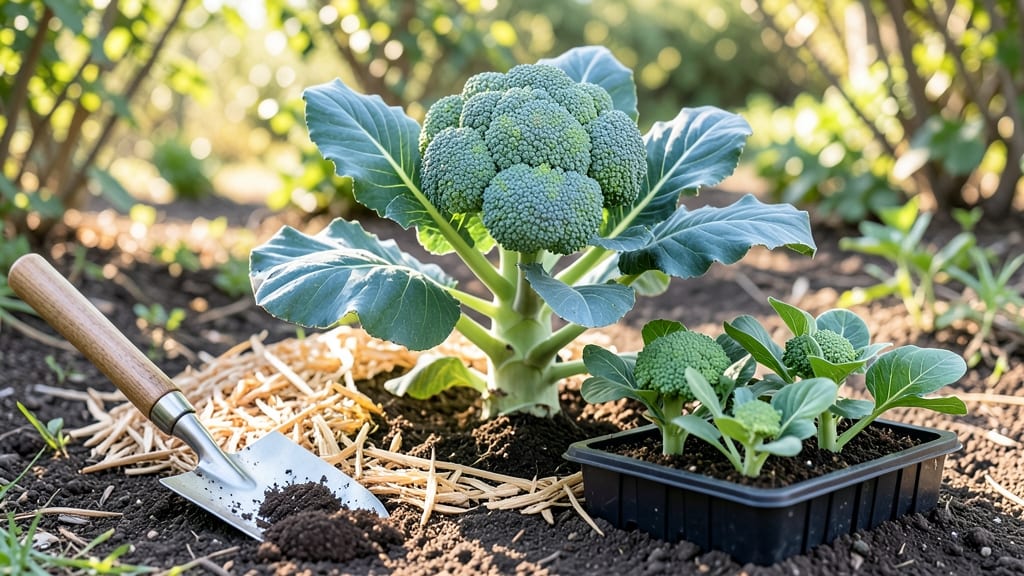
Knowing when to plant broccoli in Zone 9b can mean the difference between a bountiful harvest and a bitter disappointment. That crisp, vibrant 🥦 you crave thrives in cooler weather, but Zone 9b's mild winters and warm spells make timing everything.
Most gardeners here rush planting too early, only to watch their broccoli bolt into flower before forming proper heads. The key is planting between October and November when temperatures stay between 60°F and 75°F—perfect for germination without triggering bolting.
I've learned that fall planting gives you the best shot at harvesting tender heads by late winter or early spring. But there's more to it than just dates—soil prep, shade strategies, and even companion plants can make or break your success.
Let me walk you through the exact timing, temperature triggers, and pro tips that have helped me grow bolting-resistant broccoli season after season in Zone 9b. Your garden's about to get an upgrade.

Optimal planting windows for broccoli in Zone 9b (avoid heat-induced bolting)
Zone 9b's warm winters and hot summers make broccoli planting timing critical to avoid heat-induced bolting. Unlike cooler zones, you can't plant broccoli in summer—those 90°F+ temperatures trigger premature flowering. Instead, focus on fall and winter planting when cooler temps slow growth and prevent bolting.
My Zone 9b garden thrives when I plant broccoli between mid-October and early November for winter harvests. This timing ensures seedlings establish roots before cooler winter nights (50-60°F) slow growth just enough to delay bolting.
For a second harvest, I sow late January seeds for spring crops before summer heat arrives.
Here's the key: Soil temperatures below 75°F are ideal for germination. In Zone 9b, this means waiting until after the first heatwave of summer passes. Test your soil with a thermometer—if it's above 80°F, wait 2-3 weeks before planting.
Microclimates matter! Coastal areas in Zone 9b (like San Diego) can plant 1-2 weeks earlier than inland spots (like Phoenix) due to cooler ocean breezes. Always check your local USDA frost map—even Zone 9b can get rare light frosts in high elevations.
🌱Pro Tip: Use a shade cloth (30-50%) if planting in September to protect seedlings from residual summer heat while still allowing light for growth.
| Planting Window | Ideal Soil Temp (°F) | Air Temp Range (°F) | Bolting Risk | Harvest Window |
|---|---|---|---|---|
| Mid-October - Early November | 65-75°F | 70-80°F (day) / 55-65°F (night) | Low (cool nights prevent bolting) | February - March |
| Late January - Early February | 60-70°F | 65-75°F (day) / 50-60°F (night) | Medium (spring warming increases risk) | April - May |
| September (with shade cloth) | 70-75°F | 85-90°F (day) / 70-75°F (night) | High (residual heat triggers bolting) | November (small heads only) |
| Summer (June-August) | 80°F+ | 90-100°F (day/night) | Extreme (avoid at all costs) | N/A (bolting occurs) |
For succession planting, I stagger seeds every 2-3 weeks from October through December. This ensures a continuous harvest from February through April. Space plants 18-24 inches apart to prevent overcrowding, which stresses plants and increases bolting risk.
Watch for yellowing leaves or loose heads—these are early signs of bolting. If you see flower stalks, harvest immediately or remove the plant to avoid seed production. In my garden, companion planting with basil or dill near broccoli deters pests that also stress plants, reducing bolting triggers.
💡Zone 9b Hack: Use black plastic mulch to warm soil in winter for faster germination, but remove it once seedlings emerge to prevent overheating. Pair this with drip irrigation to maintain consistent moisture without wetting foliage (which promotes disease).
Remember: Broccoli in Zone 9b is a winter crop, not a summer one. By mastering these temperature triggers, you'll go from bitter, bolted failures to crisp, flavorful harvests—just like my neighbor's award-winning plants that sell at the farmers' market!
Optimal planting windows for broccoli in Zone 9b (avoid heat-induced bolting)
In Zone 9b, where summer temperatures can soar and winter stays mild, timing your broccoli planting is critical to avoid heat-induced bolting. Unlike cooler zones, Zone 9b gardeners must focus on fall and winter planting to align with broccoli's ideal 60°F–75°F growth range.
Planting too early in spring risks bolting before harvest, while summer sowing guarantees failure—broccoli simply can't handle 90°F+ days.
Your best window is late September through November, when soil temperatures drop below 80°F and days grow shorter. This gives plants 60–80 days to mature before summer heat returns. For a second harvest, sow again in December, but avoid January plantings—they may bolt prematurely as days lengthen.
🌱 Broccoli Planting Windows in Zone 9b
| Season | Planting Month | Ideal Soil Temp (°F) | Days to Harvest | Bolting Risk |
|---|---|---|---|---|
| Fall | September–November | 60°F–75°F | 60–80 days | Low |
| Winter | December | 55°F–65°F | 70–80 days | Medium (watch for early bolting) |
| Spring | January–February | 70°F+ | N/A (high bolting risk) | Very High |
| Summer | March–August | 85°F+ | N/A (bolting guaranteed) | Extreme |
💡 Pro Tip: Use a soil thermometer to confirm temps—broccoli seeds won't germinate well above 75°F.
For microclimates in Zone 9b—like coastal areas or high deserts—adjust by 1–2 weeks. Coastal zones stay cooler longer, so you can plant early September, while inland areas should wait until mid-October. Always choose shade-tolerant varieties like 'De Cicco' or 'Calabrese' for extra heat protection.
Direct-sow seeds ½ inch deep, spacing them 18–24 inches apart to prevent crowding. If starting indoors, transplant seedlings when they're 4–6 weeks old and 4–6 inches tall, but harden them off first—Zone 9b's dry winds can stress young plants.
Water deeply after transplanting to encourage root establishment in the cooler soil.
After planting, monitor day length. Broccoli detects increasing daylight (like in early spring) and bolts to reproduce. To delay bolting, use 30–50% shade cloth during peak sun hours (10 AM–2 PM) if temperatures exceed 80°F. This simple trick can extend your harvest window by 2–3 weeks.
Finally, remember: succession planting is your secret weapon. Sow new seeds every 2–3 weeks from September through November for a staggered harvest. This ensures you always have fresh, crisp broccoli without the risk of a single failed batch bolting in the heat.