
Plants
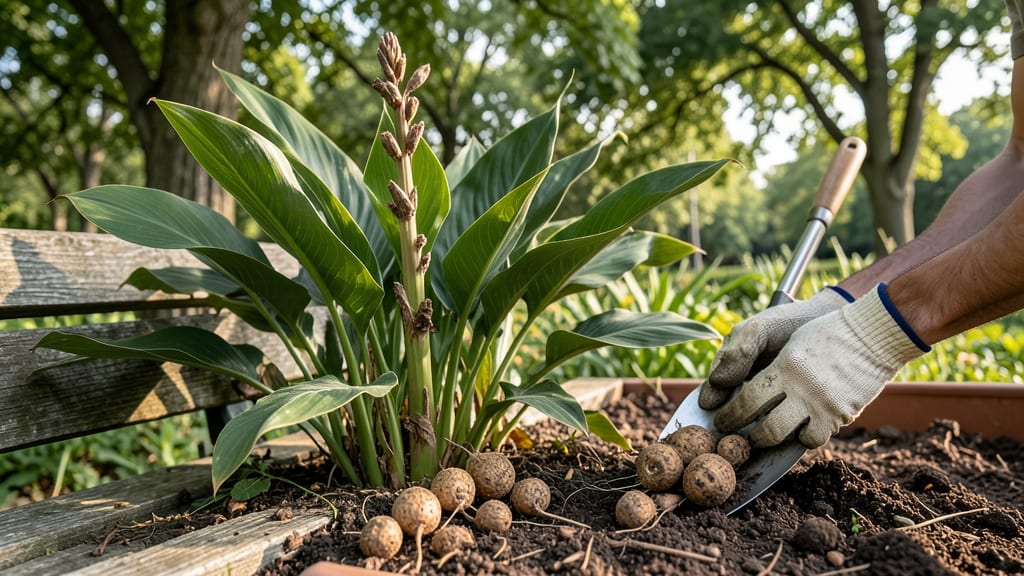
Knowing when to plant canna bulbs in Illinois could mean waiting months for those stunning 🌺 blooms—or worse, losing them entirely before frost. Unlike hardy perennials, canna lilies demand warmth, and Illinois’ fickle spring makes precision planting your secret weapon for summer-long color.
Most gardeners in USDA Zones 5-6 wait until after the last frost—typically late April to early June—but soil temperature matters more than the calendar. Planting too soon in chilly ground stalls growth, while waiting too long risks shorter blooming seasons.
I’ll break down the exact frost-free window for your region, plus pro tips to prep bulbs for Illinois’ heat and humidity. Skip the guesswork and get your cannas off to a flying start this year.
Ready to transform your garden into a tropical oasis? Let’s dive into the step-by-step timing that’ll have your cannas thriving by summer.
Illinois frost dates and canna planting zones: the exact timeline you need
Canna lilies (Canna × generalis) need warm soil and frost-free conditions to thrive, making Illinois’ spring timing critical for success.
Since Illinois spans USDA Zones 5-6, frost dates vary by region—Chicago’s last frost often hits mid-May, while southern Illinois (like Springfield) may see frost-free soil by late April. Planting too early risks cold soil damage, while waiting too long cuts your bloom season short.
To pinpoint your ideal planting window, focus on two key metrics: soil temperature and last frost date. Cannas won’t sprout until soil reaches 60°F+, and even a light frost will kill tender shoots.
Illinois’ average last frost ranges from April 15 in southern zones to May 15 in northern areas, but microclimates (like urban heat islands) can shift this by 1-2 weeks.
Here’s how to translate frost dates into actionable planting times for your Illinois garden:
| Region | Avg. Last Frost | Soil Temp. Ready | Planting Window | Risk of Early Planting |
|---|---|---|---|---|
| Northern IL (Chicago, Rockford) | May 10–15 | 60°F+ (late May) | May 20–June 10 | Cold soil stunts growth |
| Central IL (Peoria, Springfield) | April 25–May 5 | 60°F+ (early May) | May 1–May 15 | Late frosts possible |
| Southern IL (St. Louis, Carbondale) | April 10–20 | 60°F+ (late April) | April 25–May 10 | Heat stress if planted too early |
🌡️ Pro Tip: Use a soil thermometer to confirm readiness—cold soil delays sprouting by 2+ weeks.
For gardeners in USDA Zone 5 (northern IL), aim to plant canna bulbs after Memorial Day (May 25) to avoid late frosts. In Zone 6 (central/southern IL), you can start as early as late April, but monitor weather forecasts for unpredictable cold snaps.
If you’re unsure, err on the side of waiting until mid-May—cannas are forgiving and will catch up quickly in warm soil.
One common mistake is relying solely on calendar dates rather than soil conditions. For example, planting on May 1 in Chicago might still leave soil at 50°F, slowing growth.
To test soil warmth, push a thermometer 4 inches deep—if it’s below 60°F, delay planting for 1-2 weeks.
If you’re eager to extend your canna season, consider container gardening. Potted cannas warm up faster and can be moved indoors or under row covers if frost threatens. Just ensure containers have drainage holes and use lightweight potting mix to prevent overheating.
For late bloomers, don’t despair if frost nips your cannas in October. Dig up rhizomes before hard frost, trim foliage, and store them in dry peat moss at 40–50°F until next spring.
With the right timing, your cannas will reward you with bold, tropical blooms from July through September.
Remember, Illinois’ 165 frost-free days are your canna’s growing window—start planting early enough to maximize blooms, but not so early that cold soil stalls growth. Balance is key for lush, long-lasting cannas that steal the show in your garden. 🌺
Preparing canna bulbs for Illinois planting: chitting, soaking, and hardening off
Before you rush to plant your canna bulbs in Illinois, proper preparation can mean the difference between vigorous summer blooms and disappointing growth. Chitting and soaking your rhizomes indoors gives them a head start, while hardening off helps them adjust to Illinois’ unpredictable spring temperatures.
Let’s break down the exact steps and timing for your region.
Start chitting canna bulbs indoors about 4-6 weeks before your area’s last frost date. For most of Illinois, this means beginning in early March for northern zones (like Chicago) or late March for southern zones (like St. Louis).
Place your rhizomes in a shallow tray with the eyes facing up and cover them with moist peat moss or perlite—keep them in a warm spot (around 70°F) until sprouts appear.
Step-by-Step Pre-Planting Prep
- Chitting Indoors: Place rhizomes in moist peat moss with eyes up, 4-6 weeks before last frost.
- Soaking: Soak bulbs in lukewarm water for 12-24 hours to encourage faster sprouting.
- Potting Up: Transplant sprouted rhizomes into small pots with well-draining soil.
- Hardening Off: Gradually expose potted cannas to outdoor conditions over 7-10 days.
- Planting Out: Transplant after last frost when soil reaches 60°F+.
Once your cannas sprout, give them a 12-24 hour soak in lukewarm water to kickstart growth. After soaking, pot them up in well-draining soil and place them in a sunny windowsill or under grow lights.
This step ensures your rhizomes are hydrated and ready to grow when you transplant them outdoors.
Hardening off is critical for Illinois’ variable spring weather. Begin by moving potted cannas outside for 2-3 hours daily, gradually increasing exposure over 7-10 days. Start with shade and work up to full sun to avoid transplant shock.
Northern Illinois gardeners should wait until mid-May, while southern regions can start earlier in late April.
After hardening off, transplant your cannas into the garden once the soil warms to 60°F+. Dig a hole 4-6 inches deep and space rhizomes 12-18 inches apart in full sun to partial shade.
Mulch around the base to retain moisture and protect roots from late spring frosts—a common issue in Illinois.
With these prep steps, your cannas will burst into bloom faster and handle Illinois’ hot summers and cool nights like pros. Just remember: patience is key—rushing the process can lead to stunted growth or frost damage. Your tropical beauty is worth the wait! 🌺