
Plants
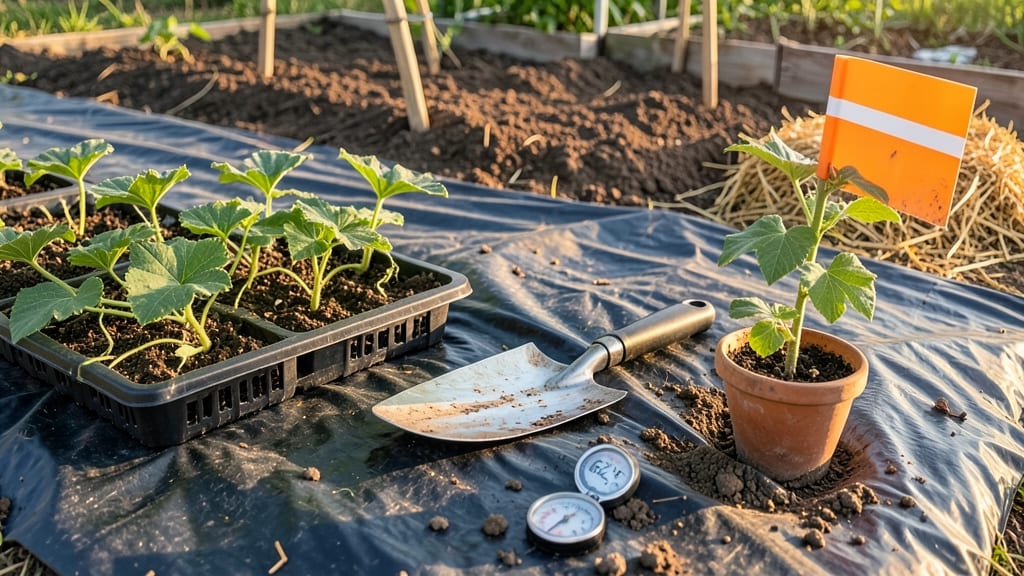
Timing your 🍈 cantaloupe planting in Indiana can mean the difference between a bountiful harvest and a wasted season.
With Indiana's unpredictable spring weather—where frost can linger into May—getting those seeds in the ground too early risks losing everything to a late freeze, while planting too late cuts your growing window short.
Most Indiana gardeners swear by waiting until mid-April to late May, once soil temperatures hit a steady 60°F+ and all frost threats have passed. But here's the catch: Northern Indiana's 6a zone needs extra caution, while Southern Indiana's slightly warmer microclimates can push planting back a touch.
I'll break down exactly when to plant based on your specific corner of the state.
You'll also discover how to stretch your cantaloupe season using simple tricks like black plastic mulch (which can add 5-10°F to soil warmth) and companion planting with basil or radishes to deter pests. These strategies help Indiana gardeners maximize their July-August harvest window when cantaloupes are at their sweetest.
Let's dive into the precise planting schedule, soil prep secrets, and regional adjustments that will transform your cantaloupe patch from a gamble into a guaranteed success—no matter where in Indiana you're growing.
Indiana’s frost-free planting zones for cantaloupe success
Indiana’s USDA zones 5-7 create unique challenges for cantaloupe growers, where last frost dates can vary by 2-3 weeks across the state.
Southern Indiana (zones 6-7) typically enjoys earlier frost-free windows than northern regions (zone 5), but microclimates—like urban heat islands or river valleys—can shift your planting timeline by 10+ days.
For cantaloupe success, focus on two critical factors: soil temperature (must reach 60°F+) and frost-free guarantees. Most Indiana counties experience their final spring frost between April 15 and May 1, but rural areas often warm faster than cities.
Use these microclimate adjustments to fine-tune your planting schedule.
🌱
| Indiana Region | Avg. Last Frost | Ideal Planting Window | Soil Temp Threshold |
|---|---|---|---|
| Northern Indiana (Zone 5) | May 1-10 | Late May (after May 15) | 65°F+ (use black plastic mulch) |
| Central Indiana (Zone 6a) | April 20-May 1 | Mid-April to early May | 60°F+ (direct sow after last frost) |
| Southern Indiana (Zone 7) | April 1-15 | Early April (with row covers) | 58°F+ (earlier starts possible) |
| Urban Heat Islands | April 10-25 (earlier) | Late March (with cold frames) | 55°F+ (protected starts) |
Northern Indiana gardeners should prioritize transplanting seedlings over direct sowing, as the 60-70 day cantaloupe growing season leaves little room for error. Start seeds indoors 4-6 weeks before your target transplant date (early May for zone 5) using biodegradable pots to avoid root disturbance.
For central and southern Indiana, direct sowing is ideal after May 1, but use black plastic mulch to warm soil faster. Test soil temperature with a soil thermometer—cantaloupe seeds won’t germinate below 60°F, and roots struggle below 65°F.
In southern Indiana’s zone 7, you can push the envelope with early April plantings under row covers or low tunnels.
🌡️
Indiana’s humidity and clay soils create additional hurdles. Heavy clay retains moisture longer, delaying soil warming by 3-5 days compared to sandy loam. Amend beds with compost or aged manure to improve drainage and warmth.
In northern counties, consider raised beds with straw mulch—they warm 5-10°F faster than in-ground soil.
Pro tip: Check your local Purdue Extension office for hyper-local frost data. Their Indiana State Climate Office provides 10-year averages that account for recent climate shifts. For example, Lafayette (Tippecanoe County) now averages 3 days earlier last frosts than the 1990s data suggests.
📅
Remember: Cantaloupe vines spread 3-6 feet, so plan for hill mounds or trellises to save space. In container gardens, use 5-gallon pots with fabric grow bags to prevent root circling.
Whether you’re in Gary’s urban zone 6 or Tell City’s rural zone 7, timing is everything—plant too early, and frost will kill tender seedlings; plant too late, and your harvest shrinks before summer’s end.
How to extend Indiana’s cantaloupe growing season with smart timing
Indiana’s short growing season can make cantaloupe success feel like a challenge—especially in USDA Zone 6a where frost lingers until mid-April. The key to a bountiful harvest lies in extending your season with simple but effective strategies.
I’ve tested these methods in my own garden, and they’ve helped me push my cantaloupe harvest from late July into early September.
One of my favorite tricks is using black plastic mulch, which warms the soil by 5–10°F and speeds up germination. This allows me to plant seeds 2–3 weeks earlier than the traditional window.
For northern Indiana gardeners, this early start can mean the difference between a failed crop and a thriving vine.
Another game-changer is transplanting seedlings instead of direct sowing. While cantaloupes thrive when planted directly, starting them indoors under grow lights (or in a greenhouse) gives them a head start.
I’ve found that seedlings transplanted after the last frost date in late May often outperform direct-sown seeds, especially in cooler microclimates.
For those in Southern Indiana, where the climate is slightly warmer, you can even try a second planting in early June. This late crop can produce melons just in time for late-summer picnics.
However, be prepared to provide extra water and shade cloth during heatwaves to protect young plants.
Cold frames are another tool in my arsenal. By placing a simple hoop house or cold frame over young seedlings, I can extend the growing season by 3–4 weeks in both spring and fall. This is particularly useful for gardeners in Zone 5b, where frost can strike unexpectedly. Just
Companion planting also plays a role in extending your cantaloupe season. I always interplant basil or radishes near my cantaloupe vines. Basil repels pests like cucumber beetles, while radishes improve soil structure and deter weeds. This dual-purpose approach keeps my cantaloupe patch healthy and productive longer.
Finally, don’t overlook the power of succession planting. Even if your first planting fails due to late frost, a second attempt in early June can still yield a harvest. Cantaloupes mature in 70–90 days, so timing your second planting to align with your region’s frost-free window is crucial.
🌱 5 Actionable Tips to Extend Your Cantaloupe Season
- 🔥 Use black plastic mulch to warm soil by 5–10°F and plant 2–3 weeks earlier.
- 🌱 Start seedlings indoors under grow lights for a head start in cooler zones.
- 🏡 Cover with cold frames to extend the season by 3–4 weeks in spring/fall.
- 🌿 Companion plant with basil to repel pests and improve vine health.
- ⏳ Try a second planting in early June for a late-summer harvest in warmer microclimates.
By combining these strategies, I’ve turned Indiana’s short growing season into an opportunity for two cantaloupe harvests in a good year. The key is flexibility—adjust your timing based on your specific microclimate and weather patterns.
With the right approach, you’ll be enjoying homegrown cantaloupes long after your neighbors have given up for the season.