
Trees
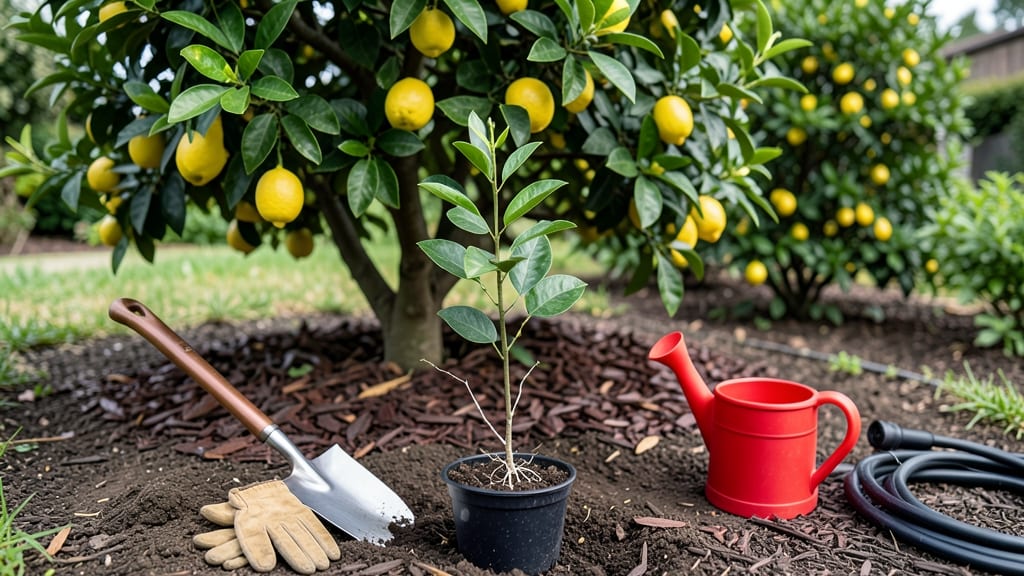
Planting citrus trees in Southern California might seem like a no-brainer—after all, the weather practically begs for 🍊 trees to thrive. But timing matters more than you think, especially when coastal humidity clashes with inland heat or Santa Ana winds threaten young roots.
The ideal window for planting is late winter to early spring (February-March) or early fall (September-October), when temperatures are mild and rainfall supports root establishment. Skipping these months could mean slower growth or even pest invasions.
Here’s the game-changer: coastal areas like San Diego can plant later into fall, while inland valleys (like the Coachella Valley) need to avoid late fall planting to dodge unexpected chilly snaps—yes, they happen!
Ready to set your citrus tree up for years of fruit? Let’s break down the best months, soil tricks, and how to outsmart Southern California’s quirks for a thriving orchard.
Best months to plant citrus trees in Southern California’s microclimates
Southern California’s frost-free climate means you can plant citrus trees year-round, but timing matters for root establishment and fruit production. The ideal window is late winter to early spring (February–March) or early fall (September–October), when temperatures are mild and rainfall is moderate.
Coastal regions like Los Angeles and San Diego enjoy humid air and consistent moisture, making fall planting ideal. Inland areas (Riverside, Palm Springs) face hotter summers and Santa Ana winds, so planting in early fall avoids summer stress.
Citrus varieties also influence timing: Lemons and limes thrive with fall planting, while oranges and grapefruits benefit from spring roots. Dwarf varieties adapt faster than standard trees, so they can handle summer planting with extra care.
Here’s a quick guide to microclimate-specific planting windows and citrus types:
| Region | Best Planting Months | Citrus Varieties | Key Considerations |
|---|---|---|---|
| Coastal (LA, San Diego) | September–November | Lemons, Limes, Oranges | Humidity helps root growth; avoid summer heat. |
| Inland (Riverside, Palm Springs) | February–March | Grapefruits, Mandarins | Santa Ana winds require windbreaks; plant before summer. |
| Desert (Coachella Valley) | October–November | Meyer Lemons, Satsumas | Use drip irrigation; avoid winter frost pockets. |
| Urban (Containers) | Year-round (with care) | Dwarf Varieties | Water daily; move to shade in summer. |
In coastal areas, the mild winters allow fall planting, while inland zones benefit from spring roots to escape summer drought. Always check your USDA Zone (9b-11)—even rare inland frosts can harm young trees.
For container-grown citrus, timing is flexible, but early fall gives roots time to establish before winter rains. Use well-draining soil and windbreaks to protect against SoCal’s coastal winds or desert heat.
Pro tip: Bare-root citrus (sold without soil) plants best in winter, while potted trees can go in anytime. Just avoid extreme heat or heavy rain periods for optimal success.
🌱
Critical factors that determine your planting timeline
Southern California’s climate might seem forgiving, but soil temperature and rainfall patterns can make or break your citrus tree’s first year. The ideal soil temp for planting is between 60°F and 75°F—too cold, and roots struggle; too hot, and they risk stress or fungal issues.
In coastal areas like Malibu or San Diego, cooler ocean breezes keep soil temps mild year-round, letting you plant through November. But inland in places like Palm Springs, soil heats up fast—planting after mid-October risks exposing roots to unpredictable heat spikes.
Rainfall plays a surprising role too. While SoCal isn’t known for downpours, winter rains (Dec-Feb) can waterlog heavy soils, suffocating young roots. That’s why February-March planting aligns perfectly with drying trends—just enough moisture to help roots establish without drowning them.
Urban vs. rural planting adds another layer. In city gardens with compacted soil, amend with compost and sand to improve drainage before planting. Rural areas often have lighter, faster-draining soils, so add organic matter to retain moisture for young roots.
Pro tip: Check your local microclimate—just a few miles inland can mean 10°F warmer soil than the coast. Use a soil thermometer ($10 at nurseries) to confirm temps before digging.
Finally, consider your citrus variety. Lemons and limes tolerate cooler temps better than oranges or grapefruits, so coastal gardeners can push planting into late fall with these types. Always match your tree to your zone!